
Mattanos La'evyonim
[A] (Halacha 217)
Question: Does a person who gives matanos la'evyonim before Purim fulfill his obligation?
Answer: It is written in Megillas Esther1: 'לַעֲשׂ֣וֹת אוֹתָ֗ם יְמֵי֙ מִשְׁתֶּ֣ה וְשִׂמְחָ֔ה וּמִשְׁל֤וֹחַ מָנוֹת֙ אִ֣ישׁ לְרֵעֵ֔הוּ וּמַתָּנ֖וֹת לָֽאֶבְיוֹנִֽים' ("to make them days of feasting and gladness, and of sending portions one to another, and gifts to the poor").
The Gemara in Maseches Megillah2 derives from this: 'And matanos la'evyonim. Rav Yosef taught: .. and matanos la'evyonim - two gifts to two people.
Regarding the time for fulfilling the mitzvah, the Rambam3 wrote: 'And one is obligated to distribute to the poor on the day of Purim, no fewer than two poor people, giving to each one one gift, whether money or kinds of cooked food or kinds of food, as it is said "and gifts to the poor" - two gifts to two poor people'.
And so the Mechaber4 wrote: 'Every person is obligated to give at least two gifts to two poor people'. And in se'if 4 he wrote: 'In a place where there are no poor people, one may withhold his Purim money for himself and give it in a place that he wishes'.
The Baal HaMaor5 wrote: 'In this time, when Israel is afflicted with the strictures of poverty, if we give them gifts on the 11th, 12th, and 13th, they will go and consume them on that day, and the joy of Purim is observed only in its proper time, and its joy would thereby be nullified'.
And the Magen Avraham brought it as halacha6: 'And it is written in the Maor that one should not give to them before Purim, lest they consume them before Purim'.
And seemingly, according to the words of the Magen Avraham that the concern is lest they eat before Purim, then in a case where one sets aside before Purim but it will be in the poor person's possession on Purim itself, he has fulfilled the mitzvah properly, and so wrote the Pri Megadim7, and the Yad Aharon8.
But there are those who wrote9 that the words of the Baal HaMaor apply specifically when they would read the Megillah on the 13th, in which case when one gives on the day of reading and the poor person would rejoice from it on the day of Purim, then specifically he has fulfilled the mitzvah properly. But in our time, when they read only on the 14th, one is obligated to give also on the 14th10.
And so wrote the Aruch HaShulchan11: 'And one is obligated to give specifically on Purim itself, but before Purim, even if he gave explicitly for Purim, it does not help, for this is the obligation of the day specifically, and it is obvious that one need not give himself and may also give through an agent, and one may appoint an agent before Purim to give matanos la'evyonim on his behalf on Purim.
Thus, if one sends with someone to give to the poor and the agent gives on Purim, then it is considered that he gave on the day of Purim, for the hand of the agent is as the hand of the one who sends him12.
Therefore in practice: 1) It is proper to set aside matanos la'evyonim on the day of Purim itself and for the poor person to receive it on Purim itself. 2) When it is not possible for him to do this on that same day, it is preferable that before Purim [le'chatchilah preferably from the 11th onward13] he give to an agent who will give to the poor on his behalf on the day of Purim. 3) And if he cannot appoint an agent, in any case he should set aside for the poor beforehand and ensure that it will be in their possession on Purim14. 4) A person who did not set aside before Purim, and on Purim itself has no poor people within reach, should set aside the money on the day of Purim and after Purim give it to the poor.
Notes:
1 פרק ב פכ"ב ↩
2 ז, א ↩
3 הל' מגילה פ"ב הט"ז ↩
4 או"ח סי' תרצד ס"א ↩
5 מגילה א, ב ↩
6 סי' תרצד ס"ק א ↩
7 בא"א סי' תרצד ס"ק א וסי' תרצה ס"ק יג ↩
8 הגהב"י סי' תרצד הובא בבאר היטב סי' תרצה ס"ק ז ↩
9 שו"ת דבר אליהו (קלאצקין) סי' סט ↩
10 ראה ערך שי (טאבאק) סי' תרצד. וראה גם הליכות שלמה מועדים פי"ט אות כב ↩
11 או"ח סי' תרצד ס"ב ↩
12 אך ראה בערך שי שם ↩
13 וראה בשו"ת דברי יציב או"ח סי' רצח: 'אך בפיה"מ להרמב"ם במ"ג כתב בפשיטות דמי שנתן מתנות לאביונים מיום י"א יצא ידי חובתו עיין שם, והביאו ג"כ בתוס' יום טוב שמה, ועיין בדעת תורה למהרש"ם שציינם ושלפלא על האחרונים שלא העירו מזה' ↩
14 שזה מוסכם גם לברכ"י או"ח סי' תרצד ואמנם לכאורה לשיטת ערוה"ש עדיף אפשרות 4, אך ראה בפסק"ת סוף סי' תרצד. ונטעי גבריאל פס"ח דין ה שכך נטו רוב הפוסקים. והרוצה לחוש לדעת ערוה"ש יעשה את 2 האופנים ↩
[B] (Halacha 218)
We learned in the previous halacha (number 217) that it is best for both the setting aside and the giving to be on the day of Purim itself.
Question: When is the time on Purim itself?
Answer: The Rosh1 wrote: 'The main publicizing of the miracle is during the day, at the time of the feast and gladness and matanos la'evyonim and mishloach manos'.
Based on this the Rema2 wrote: 'And one should send portions during the day and not at night'. And the Magen Avraham3 added: 'To send portions during the day. And the same applies to matanos la'evyonim'.
And it is explained in the poskim4 that on the day itself the time is le'chatchilah from sunrise [and in pressing circumstances from dawn] until sunset, and in a case where one did not manage, he should send until the emergence of the stars.
★ ★ ★
Question: Is there a time within the day itself when it is proper to fulfill the mitzvah?
Answer: It is written in Shu"t Min HaShamayim by Rabbeinu Yaakov of Marvyush, of the Baalei HaTosafos5: 'And in the morning he says "zman," for the joy of the feast and mishloach manos has arrived'. That is, the bracha of "zman" - Shehecheyanu on the day of Purim is directed toward the mitzvos that one fulfills on the day of Purim.
And so wrote the Magen Avraham6 in the name of the Shelah: 'And one should have in mind in the bracha of Shehecheyanu also for mishloach manos and the Purim seudah, which are also mitzvos [Shelah], and it seems to me that one should have this in mind in the bracha of Shehecheyanu of the day, for their time is during the day'.
And the Pri Megadim added there: 'And one should have in mind to discharge mishloach manos and matanos la'evyonim7 in the bracha of Shehecheyanu, and he should inform the shliach tzibbur of this, for it requires intent of the listener and the one reciting'.
Thus it is understood that the fulfillment of the mitzvah of matanos la'evyonim should properly be after the reading of the Megillah, at which one recites Shehecheyanu also on matanos la'evyonim.
And the Kaf HaChaim8 wrote that this is also according to Kabbalah9 that one must precede it with the reading of the Megillah, as he wrote: 'And it is implied in the Shaar HaKavanos, daf 109 column 3, that matanos la'evyonim must be after the reading of the Megillah of the day .. it is implied from this that first one must read the Megillah to reveal the illumination effected on Purim, afterward the illuminations of the two other mitzvos, which are matanos la'evyonim and the Purim seudah'.
★ ★ ★
Question: Is there a preference to precede mishloach manos to matanos la'evyonim or the reverse?
Answer: The Likutei Mahari"ach wrote that matanos la'evyonim comes first, as the Mechaber arranged in the Shulchan Aruch matanos la'evyonim in siman תרצד and the feast and gladness and mishloach manos in siman תרצה. But the Mekor Chaim10 wrote that the order of fulfilling the mitzvah must be according to the order written in the pasuk: 'to make them days of feasting and gladness, and of sending portions one to another, and gifts to the poor', and thus the order must be first mishloach manos and only afterward matanos la'evyonim.
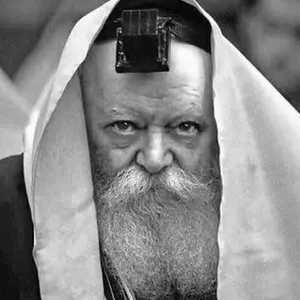
And it appears that this is the conduct of the Rebbe11, that after the reading of the Megillah and the conclusion of Shacharis he gave mishloach manos and afterward gave a check to the bochurim's fund as matanos la'evyonim.
Notes:
1 מגילה פ"א סי' ו ↩
2 או"ח סי' תרצה ס"ד בהג"ה ↩
3 שם ס"ק יג ↩
4 שו"ע או"ח סי' תרפ"ז ס"א ובמשנ"ב סק"ה. ישראל והזמנים ח"א סנ"ו סי"ז ↩
5 סי' טו ↩
6 סי' תרצב סק"א ↩
7 השל"ה לא הזכיר לכוון למתנות לאביונים, וראה בנטעי גבריאל פס"ח אות ג שי"ל שהוא מטעם שהקדים מתנות לאביונים לפני קריאת המגילה. וכפי שכתב היסוד ושורש העבודה ע' רסח שצריך לתת את המתנות לאביונים לפני תפלת שחרית כדי שיספיקו העניים להכין את הסעודה. ובסדר היום הזכיר שיתנו מתנות לאביונים בבוקר לפני קריאת המגילה של היום, כדי שהעניים יקראו את המגילה מתוך שמחה, וא"כ לשיטות אלו אין מה לכוין בברכת שהחיינו על מתנות לאביונים מכיון שזה מתבצע לפני הברכה. ואופן אחר י"ל שנחלקו בגדר מתנות לאביונים דיש לומר שזה לא מצוה מחודשת אלא פרט ודין בהלכות צדקה (ורק שבפורים צריך לתת צדקה לשניים) ולכן אין לברך ע"ז שהחיינו, אך י"ל שזה שמצווה מיוחדת בפורים שאינה חלק ממצוות צדקה, ולכן יש לכוון גם על זה. ראה בכל זה בכתב סופר או"ח סי' קלט. ולקו"ש חט"ז פורים ב. ונטעי גבריאל פנ"א הערה ד ↩
8 סי' תרצד אות חי ↩
9 אמנם להעיר ממ"ש בנטעי גבריאל פרק נו הערה ב שענין זה הוא ויכוח בין המקובלים עצמם, ואכמ"ל ↩
10 (בכרך) סי' תרצה ↩
11 אוצר מנהגי חב"ד ע' רעה, מעשה מלך פל"ד אות לו (ע' 323) ↩
[C] (Halacha 219)
Question: To how many poor people must one give matanos la'evyonim?
Answer: The Gemara in Maseches Megillah1 says: 'And matanos la'evyonim. Rav Yosef taught: "and the sending of portions one to another" - two portions to one person. "And matanos la'evyonim" - two gifts to two people'.
And Rashi wrote there: 'For it is written "and the sending of portions one to another" - two portions to one person, "and matanos la'evyonim" - two gifts to two people, it being sufficient for each one a single gift, for "evyonim" too implies two'.
And so the Mechaber2 wrote: 'Every person is obligated to give at least two gifts to two poor people'.
And regarding the reason why mishloach manos differs - where the mitzvah is two portions to one person - as opposed to matanos la'evyonim, where the mitzvah is to give to two poor people one gift, the Ran3 explained: 'Two gifts to one person - for one who is wealthy; and to the poor, who are not so accustomed to eat, a single gift is enough for them, and it is considered in their eyes as a great thing'.
And the Bach4 wrote: 'Now, since "the poor will not cease from the midst of the land"5 and the destitution is great, it is a mitzvah to distribute and give to every poor person one gift, for so wrote the early authorities, and reason too obligates one to this, for one who has a hundred gold coins to give to the poor - his reward is greater when he distributes them to a hundred poor people than when he gives all hundred gold coins to one poor person or to two or three, for this one who gave to a hundred has sustained a hundred souls. But regarding a person's joy with his loved ones and friends, perhaps a person will not find many loved ones, as our Sages of blessed memory said6, "either companionship or death," and so they said7, "acquire for yourself a friend," therefore the mitzvah is to send two portions to one's good friend, to be glad and rejoice with him over these two deliverances as mentioned; "the wise man will hear and increase learning"8'.
★ ★ ★
Question: Does one fulfill the obligation of two poor people by giving to a husband and wife, or to a father and his son who is dependent on his table?
Answer: The Gemara in Maseches Megillah9 relates: 'Rabbi Yehudah Nesi'ah sent [=sent] to Rabbi Oshaya the thigh of a third-born calf [=a thigh of a calf, third to the womb] and a jug of wine [=a wineskin]; he sent back to him: You have fulfilled in us, our teacher, "and the sending of portions one to another and gifts to the poor"'. [=Rabbi Oshaya said to Rabbi that you have fulfilled with this food two mitzvos - both mishloach manos and matanos la'evyonim, since Rabbi Oshaya was poor].
And in explaining the novelty in the words of Rabbi Oshaya in his reply to Rabbi, the Maharsha wrote in Chiddushei Aggados: 'For with these two portions, which were greater than the measure of portions, you also fulfilled "and matanos la'evyonim" as the measure of giving to Rabbi Oshaya and to the members of his household, and this is what he was precise to say "and you fulfilled in us" and did not say "and you fulfilled in me," which is to say "and you fulfilled in us" - to two people two gifts; and the word "la'evyonim" contains an allusion: A"B BN"Y [father and sons] - that one discharges with two gifts to a father and sons'. And so wrote the Shu"t Binyan Olam10: 'Thus, if one gives gifts on Purim to a man and his wife and intends thereby to fulfill the mitzvah with both of them, it is as if he gives to this one by himself and to that one by herself'11.
However, the Aruch HaShulchan12 wrote: 'And it appears to me that if one gave to a man and his wife, or to a man and his son or his daughter who are at one table, he has not thereby fulfilled the obligation of two poor people, for they are considered as one'13.
But in practice it appears that according to the view of most poskim14 one fulfills the obligation when one gives to a poor man and his wife or the members of his household
Notes:
1 ז, א ↩
2 או"ח סי' תרצד ס"א ↩
3 חידושים עמ"ס מגילה ג, א ↩
4 או"ח סי' תרצה הובא במג"א ס"ק יב ↩
5 דברים פט"ו פסוק יא ↩
6 ב"ב טז, ב ↩
7 אבות פ"א מ"ו ↩
8 משלי א ה ↩
9 ז, א ↩
10 או"ח סי' לו ↩
11 ראה גם דרשות חת"ס ח"א ע' קמ. ספר ניר על הירושלמי מגילה פ"א ה"ד בסופה. שו"ת בית אב (יודולביץ) סי' קג ↩
12 או"ח סי' תרצד ס"ב ↩
13 בשו"ת התעוררות תשובה ח"ג סי' מז שהסתפק בדין זה מצד שכל מה שמרוויח שייך לאביו, אך ראה מ"ש בזה בהגהת בן המחבר בבנין עולם שם ↩
14 ראה כף החיים סי' תרצד סק"י. חזון עובדיה דיני מתנות לאביונים אות ב וש"נ. מקראי קודש סי' מ אות ב ↩
[D] (Halacha 221)
Question: Who is obligated to give matanos la'evyonim?
Answer: The Tur and the Mechaber1 wrote: 'Every person is obligated to give at least two gifts to two poor people'.
And the Bach2 wrote: 'Every person is obligated etc. That is, every person, even a poor person who receives tzedakah, is obligated to give from what they gave him to the other poor people on Purim, for the law of matanos la'evyonim on Purim is not like the law of other tzedakah; for the fitting fulfillment of the mitzvah of Purim is thus - to give matanos la'evyonim - and it is like the law of the four cups on Pesach3'.
However, the Pri Chadash4 disagreed and wrote: 'There is one who wrote that a poor person who is supported by tzedakah is also obligated in matanos la'evyonim. And there is no reason for this; rather, it certainly stands to reason that they are exempt'.
But in practice the poskim ruled like the Bach5.
Thus, poor people too must give matanos la'evyonim.
★ ★ ★
Question: Are women too obligated to give matanos la'evyonim?
Answer: The Rema6 wrote: 'And a woman is obligated in matanos la'evyonim and mishloach manos, like a man; and a woman should send to a woman, and a man to a man; but not the reverse, lest a man come to send to a widow and they come to a doubt of kiddushin; but regarding matanos la'evyonim there is no concern'7.
And the Levush8 explained: 'And women too are obligated in mishloach manos and matanos la'evyonim like a man, for "to his fellow" is written and the same applies to her fellow, for the whole reason is only for joy, and if so, what difference is there between a man or a woman, for they too were in that same miracle.
And the Magen Avraham9 wrote: 'I have not seen people careful in this, and perhaps it is specifically regarding a widow, but a woman who has a husband - her husband sends on her behalf to several people; nevertheless one should be stringent'.
However, the Pri Chadash10 disagreed and wrote: 'And what is written in the Hagahah, "and a woman is obligated in matanos la'evyonim etc.," this ruling is not clear, for "ish" (man) is written and not woman, and from where did he derive this; and the Rikash [Erech Lechem] wrote that no posek wrote so'.
But the Aruch HaShulchan11 explained from the Pri Megadim12: 'Women are obligated in sending portions, and even though "ish lere'eihu" (a man to his fellow) is written, for in all mitzvos of Purim women are obligated like men, and the expression "ish" is not to exclude a woman .. for the entire Torah is stated in masculine language .. and all women are obligated in sending portions and in matanos la'evyonim, and even if she has a husband she is not exempted by her husband's, for this is a mitzvah that is incumbent upon her [see Magen Avraham se'if katan 14, and our women are careful and send portions]'13.
Thus in practice women too are obligated in matanos la'evyonim.
★ ★ ★
Question: Must children give matanos la'evyonim?
Answer: The Eshel Avraham14 wrote: 'And likewise minors who have reached the age of chinuch, one educates them in mishloach manos, and they are not concerned with matanos la'evyonim, since for the most part they have no money of their own at all, and chinuch is not applicable in this, just as all children of the poor are exempt from chinuch in this, for they are no worse than poor adults'.
And to note from the words of his teacher, the holy Rabbi Levi Yitzchak of Berditchev in Kedushas Levi15: 'And how good it is that one send "matanos la'evyonim" through his young sons and daughters in order to educate them in mitzvos. And I remember that when I was small, my father of blessed memory would send through me to some poor people, and did not send through a servant, in order to educate me in the mitzvah. And all with joy and goodness of heart, and discreetly so that the poor person would not be embarrassed'.
And moreover, the Yesod VeShoresh HaAvodah16 wrote: 'And a person should also see that his wife and his young children fulfill matanos la'evyonim, for this positive mitzvah is an obligation upon every man and woman, and to educate his young children as in all the other mitzvos'. And so wrote the Pri Megadim there, and the Yaavetz in his siddur17.
And so in practice the Rebbe aroused many times18 that the boys and girls too should themselves fulfill the mitzvah of matanos la'evyonim, and moreover it is brought19: 'Also young boys and girls who have reached the age of chinuch [and also regarding those for whom it is doubtful whether they have reached the age of chinuch - that the conduct should be in the manner of "a doubt toward stringency"] should fulfill the mitzvos of "mishloach manos one to another" and "matanos la'evyonim"'.
Notes:
1 או"ח סי' תרצד ס"א ↩
2 סי' תרצד הובא בט"ז ס"ק א ↩
3 פסחים צט, ב ↩
4 סי' תרצד אות א ↩
5 עיין בברכ"י ס"ק ב ובמחזיק ברכה ס"ק ב. ובשע"ת ס"ק א, ובנסמן בכה"ח אות א ↩
6 סי' תרצה ס"ד בהג"ה ↩
7 כיון שזהו דרך צדקה אין בזה קירוב דעת ולא חשש קדושין'. ערוך השלחן או"ח סי' תרצה סי"ח ↩
8 סי' תרצה ס"ד ↩
9 שם ס"ק יד ↩
10 סוף סי' תרצה ↩
11 או"ח סי' תרצה סי"ח ↩
12 א"א סקי"ד ↩
13 אך להעיר שהערוה"ש סותר את עצמו שבסי' תרצד ס"ב כתב: 'ויראה לי דאיש ואשתו שניהם יוצאים בשני מתנות דכגוף אחד הם אבל בנו ובתו הסמוכים על שולחנו חייבים ליתן בפני עצמם' ↩
14 (בוטאשטש) סי' תרצה ↩
15 קדושות לפורים קדושה שניה ↩
16 שער המפקד פרק שישי ↩
17 סוף שער הדגים ↩
18 לקו"ש ח"ב ע' 537. אג"ק ח"כ ע' קעו. תו"מ חל"ו ע' 185. אג"ק חכ"ב ע' תכג ↩
19 לקו"ש חי"א עמ' 322 בתרגום חופשי ↩
[E] (Halacha 224)
Question: What is the amount of the gift that one must give to each poor person?
Answer: The Pri Megadim1 wrote: 'I have not found at present how much the amount of the gifts should be'.
Nevertheless, we have found in the words of the Rishonim who addressed the amount of matanos la'evyonim, for in the Shu"t Rashi2 it is written: 'I found in the name of Rabbeinu Shlomo of blessed memory: With Purim money there is no fixed amount; whatever a person wishes to give, let him give, because it is tzedakah, and tzedakah - each and every one gives according to his generous eye'.
And in Chiddushei HaRitva3 he wrote: 'And it stands to reason that matanos la'evyonim is even with two perutos, for the worth of a perutah is considered a gift, but not less, as is stated in Gittin4 and in other places' and similar to this is brought in the Shu"t Maharil that will be brought below.
But the Shaarei Teshuvah5 brought a dissenting view, and this is its language: 'See there in the name of the Zera Yaakov, that if one gives money he must give an amount with which one could buy three eggs' worth of food, and if one gives food he must give him the amount of three eggs of bread, so it appears at first glance, and accordingly, if one distributes to the poor a maneh of a perutah to each one, he has not fulfilled the obligation, and it still requires settling, end of his language .. and accordingly it may be said that the same applies here, that it is not called a gift unless it has enough for an effective gift, that is, enough for the amount of a seudah'6.
And in the Kaf HaChaim7 he brought the two views and concluded: 'And so the minhag is to be stringent in order to fulfill the obligation according to all opinions. And this is specifically for the two poor people, but to the rest one gives what he wishes'.
However, in practice the Acharonim8 held as the primary view like the Ritva, that a perutah suffices.
And as the Pekudas Eliezer9 wrote: 'And after a time HaShem yisbarach merited me, and I saw in the Chiddushei HaRitva on Megillah, printed in the sefer Michtam LeDavid Chasan, daf 99a of the sefer, and this is its language: "And it stands to reason that matanos la'evyonim is even with two perutos etc.," and since this is so, we have only the words of the Ritva of blessed memory, and just as in truth the minhag was widespread in our city that they give one perutah to each poor person .. and after HaShem yisbarach merited me to see the aforementioned view of the Ritva of blessed memory, even if there had been no such minhag, we do not say in this "the halacha follows the latter authorities," see there'.
And so too in the words of the Rebbe we have found and seen several times10 that he emphasized that matanos la'evyonim is a perutah. And as is seen in a letter that the secretariat sent in the name of the Rebbe11, and this is its language: 'It is also fitting to emphasize as much as possible that these mitzvos can be fulfilled easily, in that the mitzvah of mishloach manos can already be fulfilled by sending even to only one (a man to a man and a woman to a woman) two kinds of food (one kind of food together with some beverage), and the mitzvah of matanos la'evyonim can be fulfilled by giving even only two perutos to two poor people, that is, a perutah to each one of them (and it is self-understood that whoever increases in tzedakah is praiseworthy).
Thus, one can certainly fulfill the mitzvah of matanos la'evyonim by giving a perutah to two poor people, a perutah to each one; however it is obvious that it is proper to increase, and whoever increases is praiseworthy.
And in this ruling there is a further practical ramification regarding giving matanos la'evyonim from maaser money, for the Shu"t Maharil12 wrote: 'Question. Whether a person discharges the mitzvah of a gift to the poor by what he gives them from maaser money .. Answer. As for matanos la'evyonim, my humble opinion inclines that one does not discharge with maaser money, since it is a Rabbinic enactment [it is] an obligatory matter, and it turns out that this one is paying [his obligation] from his maaser, and he has in it only the benefit of bestowal .. but here, where the essence of the enactment and obligation is incumbent upon him, he discharges only from his own. And one who is meticulous and concerned about his own may give from his own two perutos, or rely on Purim money [and increase] them from the maaser'.
And thus, the two perutos that are the essence of the obligation cannot be given from maaser, but all that one gives as an addition beyond this may be given from maaser money.
However, it is very, very important to remember the language of the Rambam13: 'It is better for a person to increase in gifts to the poor than to increase in his seudah and in sending portions to his friends, for there is no joy greater and more glorious than to gladden the hearts of the poor, the orphans, the widows, and the converts, for one who gladdens the hearts of these unfortunate ones resembles the Shechinah, as it is said "to revive the spirit of the lowly and to revive the heart of the crushed"'.
Notes:
1 או"ח סי' תרצד משב"ז סק"א ↩
2 סימן רצג ↩
3 מגילה ז, א ↩
4 כ, א ↩
5 סי' תרצד סק"א ↩
6 ולהעיר גם מדברי המהרש"א ח"א מגילה ז, א שכתב: 'דמנה משמע כל דהו ולכך בעי תרי לאיש אחד אבל מתנה בעי שיעור נתינה כדאמרינן בכמה דוכתין וסגי לאיש אחד מתנה אחת' ↩
7 סי' תרצד ס"ק ז ↩
8 ראה שו"ת ציץ אליעזר ח"ז סי' כז , חזו"ע דיני מתנות לאביונים דין א והערה ד ↩
9 או"ח סי' תרצד ↩
10 לקו"ש ח"ב ע' 537. אג"ק ח"כ ע' קעו. תו"מ חל"ו ע' 185 ↩
11 אג"ק חכ"ב ע' תכב ↩
12 סי' נו הובא במג"א סי' תרצד סק"א ↩
13 הל' מגילה וחנוכה פ"ב הי"ז ↩
From the 'Shoneh Halacha' project - Daily Halacha with reasons and sources
Link to the group (silent): 'Shoneh Halacha - Chabad Minhogim'
Join the WhatsApp Group