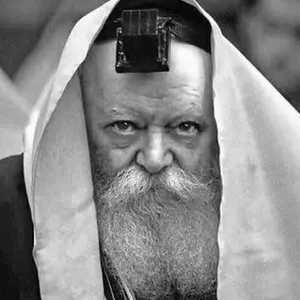

Tefillin during tefillah
[1] (Halacha 999)
Answer: The Gemara1 says: 'Rav washed his hands and recited Krias Shema, and donned tefillin, and prayed .. In any case, it is difficult according to Rav! shlucha hu de'avis (the messenger erred). Ulla said: Whoever recites Krias Shema without tefillin is as though he bears false testimony against himself. Rabbi Chiya bar Abba said in the name of Rabbi Yochanan: It is as though he offered a burnt-offering without a meal-offering, or a sacrifice without libations. And Rabbi Yochanan said: One who wishes to accept upon himself the yoke of the kingship of Heaven in its complete form should relieve himself and wash his hands, and don tefillin and recite Krias Shema and pray, and this is the complete kingship of Heaven. Rabbi Chiya bar Abba said in the name of Rabbi Yochanan: Whoever relieves himself and washes his hands and dons tefillin and recites Krias Shema and prays, the verse credits him as though he built an altar and offered a sacrifice upon it, as it is written: "אֶרְחַץ בְּנִקָּיוֹן כַּפָּי וַאֲסֹבְבָה אֶת מִזְבַּחֲךָ ה'" ("I will wash my hands in innocence, and I will encircle Your altar, O Lord"). Rava said to him: Does the master not hold that it is as though he immersed? For it is written "אֶרְחַץ" ("I will wash") and it is not written "אַרְחִיץ [כַּפָּי]" ("I will wash [my hands]")'.
And Rashi wrote: 'shlucha hu de'avis - the messenger erred, for he delayed bringing him tefillin at the outset, and the time of Krias Shema arrived and he was compelled to recite it so as not to let the time pass, and when the messenger with the tefillin arrived - he donned them'.
Tosafos2 wrote: 'and he dons tefillin and prays - and from there it is implied that one is permitted to don tefillin between Geulah and Tefillah, and likewise with a tallis a person dons his tallis between Geulah and Tefillah. And so we find that Rabbi Yitzchak the son of Rabbi Yehudah sent for his tallis and the messenger was delayed, and he had already recited Krias Shema with its brochos, and he wrapped himself in his tallis and completed Shemoneh Esrei, and he brought a proof from here, from that incident of Rav. Nevertheless, there is room to distinguish between tefillin and a tallis, for the essence of Krias Shema and Tefillah pertains to tefillin, as is stated nearby, "as though he bears false testimony against himself" - meaning, against the Master who commanded, for he reads "וְהָיוּ לְטֹטָפֹת" ("and they shall be for frontlets") and "וּלְאוֹת עַל יָדְךָ" ("and for a sign upon your hand") and he has none. And Tefillah too, as we said, he recites Krias Shema and prays - this is the kingship of Heaven, but tzitzis, which is only an obligation of the tallis, for if he has a tallis he is obligated and if he has none he is exempt from tzitzis, and he is able to recite Krias Shema without tzitzis, it is certainly an interruption'.
And the disciples of Rabbeinu Yonah3 wrote: 'and since it says "and prays" it is implied that during Tefillah too he must pray with tefillin on his head'.
And so wrote the Rosh4 on the words of the Gemara '.. that he delayed bringing the tefillin until after he had recited Krias Shema and he interrupted and donned tefillin so as not to pray without tefillin'.
And likewise we find in the holy Zohar5 the great importance of praying with tefillin: 'And now Israel are strengthened in Him through the secrets of the commandments of the Torah, such that each and every day a person is strengthened with tzitzis, which is a mitzvah, and a person wraps himself in it, and likewise with the tefillin that he places on his head and on his arm, which are a supernal secret as is fitting, for the Holy One, blessed be He, is found in the person who is crowned with tefillin and wrapped in tzitzis, and all is the secret of the supernal faith, and therefore one who does not wrap himself in this and is not crowned to be strengthened with his tefillin each day, it is as though faith does not dwell with him, and the fear of his Master departs from him, and his tefillah is not a proper tefillah'.
And the Maharal wrote in Nesivos Olam6: 'And because Tefillah too pertains to the acceptance of the kingship of Heaven, therefore the tefillin must also be upon him at the time of Tefillah, as is proven in the Gemara. But at Mincha there is no Krias Shema, therefore tefillin are not required at the Mincha tefillah. But from the term by which they are called "tefillin" it would appear that it is fitting for the tefillin to be upon him at the time of Tefillah even at Mincha, for they are called "tefillin" from the term "tefillah"7, for Tefillah is concerning one's needs and one's life-force, and concerning tefillin they said8 that whoever dons tefillin lengthens his days, as it is stated "ה' עֲלֵיהֶם יִחְיוּ" ("the Lord is over them, they shall live"); that is to say, since through tefillin the name of the Lord is called upon him, as it is written "וְרָאוּ כָּל עַמֵּי הָאָרֶץ כִּי שֵׁם ה' נִקְרָא עָלֶיךָ וְיָרְאוּ מִמֶּךָּ" ("and all the peoples of the earth shall see that the name of the Lord is called upon you, and they shall fear you"), and when the Blessed Name is upon him, life-force is fitting for him, as it is written "וְאַתֶּם הַדְּבֵקִים בַּה' אֱלֹהֵיכֶם חַיִּים כֻּלְּכֶם הַיּוֹם" ("and you who cleave to the Lord your God are all alive this day"); therefore they are called "tefillin," for they are his life-force just as Tefillah is, and this matter is profound, and therefore tefillin pertain to Tefillah'.
And these are the words of the Rambam9: 'Even though their mitzvah is to wear them the whole day, at the time of Tefillah more than anything. The Sages said: Whoever recites Krias Shema without tefillin is as though he bears false testimony against himself'10.
> If so, we have seen in the words of the Gemara, the Zohar, and the Rishonim the importance of donning tefillin [not only for the recitation of Shema Yisrael, but] also for the Amidah tefillah.
As a practical ruling, the Mechaber wrote11: 'The tefillin must be upon him at the time of Krias Shema and Tefillah'.
And these are the words of the Alter Rebbe12: 'Their mitzvah is to be upon him the whole day, but because they require a clean body so that one does not break wind while wearing them, and one must not divert his attention from them, in the manner explained in siman 28, and not every person is able to be careful in this, they accustomed themselves not to don them the whole day, nevertheless every person must be careful with them to don them at the time of Krias Shema and Tefillah. (For at that time he is perforce careful from breaking wind and diverting his attention, in the matter explained in siman 28)13'.
> If so, we have seen the importance of donning tefillin during the tefillah itself14, in addition to donning them at the time of Krias Shema. And in the next halacha we shall see whether the merit of tefillin during Tefillah overrides the merit of praying with the congregation.
--------------
Notes:
1 ברכות יד, ב ↩
2 ד"ה ומנח תפילין ↩
3 ברכות ח, א מדפי הרי"ף ↩
4 ברכות פ"ב סי' י ↩
5 תולדות קמא, א ↩
6 נתיב העבודה פ"ט ↩
7 וראה גם דברי רבינו פרץ במערכת האלוקות פ"י אות סה שכתב: *'ותפילין ותפלה ענין אחד והכל לשון חבור'*. וראה גם שושנים לדוד מנחות פ"ד מ"א: 'נראה עם מ"ש הרמב"ם ז"ל בסוף הלכות תפילין, אעפ"י שמצותן ללבשן כל היום בשעת תפלה יותר מן הכל, ע"כ. ולפי"ז י"ל דמשו"ה כינו חכמים את שמם תפילין לומר דבשעת התפלה מצותן יותר' ↩
8 מנחות מד, א ↩
9 הל' תפילין פ"ד הכ"ו ↩
10 כתב באות חיים ושלום סי' כה סק"ח: 'ונראה עיקר הקפידא רק על ק"ש .. וכיון דצריכין לכתחלה לסמוך גאולה לתפלה ע"כ ממילא צריך להתפלל בתפילין ג"כ אבל לא בשביל התפלה בתפילין דייקא'. אמנם לכאורה אין הכרח כן בלשון הרמב"ם, ואדרבה הרמב"ם פתח קודם בחשיבותן בשעת התפלה, ורק לאחר מכן הוסיף שהקורא ק"ש בלי תפילין כאילו העיד עדות שקר, כלומר יש ענין חיובי להתפלל עם תפילין, ויש עוד ענין שלא לקרוא ק"ש בלי תפילין (ובמילא מי שיתפלל כל התפלה עם תפילין מרוויח את הכל) ↩
11 שו"ע או"ח סי' כה ס"ד. וראה גם בסי' לז ס"ב, ובשו"ע אדמו"ר הזקן סי' כה, א (אלא ששם הוסיף שהוא מטעם שכל הקורא ק"ש) ↩
12 סי' לז ס"ב ↩
13 להעיר שמדברי אדמו"ר הזקן נראה שאין טעם ההנחה בק"ש ותפילה רק דין בק"ש ותפילה שלא יהא כמעיד עדות שקר ושמקבל עליו עול מ"ש כו', אלא הוא גם מדין התפילין ש'מצותן להיות עליו כל היום אבל מפני שצריכין גוף נקי שלא יפיח בהן וצריך שלא יסיח דעתו מהם ..'. ולכן בק"ש ותפילה שבאותה שעה בע"כ הוא נזהר מהפיח והיסח הדעת חוזר החיוב שמצד דין תפילין שמצוותן כל היום ↩
14 וראה עוד שם באות חיים ושלום שם, ובמשנה שכיר חאו"ח סי' יז אות ה ↩
[2] (Halacha 1001)
In the previous halacha we saw the importance of donning tefillin even during the tefillah itself, in addition to the importance at the time of Krias Shema.
Question: Does the matter of tefillah with tefillin override the merit of praying with the congregation, such as when a person does not have tefillin when the congregation is praying — should he wait so that he may pray with tefillin, or should he pray without tefillin together with the congregation?
Answer: In halacha number 999 we saw the words of Rashi and Tosafos in explaining the incident of Rav, that because the messenger was delayed in bringing him the tefillin, he recited Krias Shema, and afterward donned tefillin and prayed.
And the Magen Avraham wrote1: 'It requires examination: one who has no tefillin — is it better to pray with the congregation without tefillin, or is it better to delay after the congregation's tefillah to borrow tefillin from his fellow so that he may recite Krias Shema and pray with tefillin? It is somewhat implied in Tosafos that the congregational tefillah is preferable2, but there is room to prove from what we say at the end of siman 111 that joining Geulah to Tefillah is preferable to tefillah with the congregation, and tefillin are preferable to joining Geulah to Tefillah as was stated here, if so, all the more so that tefillin are preferable to congregational tefillah. And there is also some room to prove from the fact that Rashi explained that Rav feared the time of Krias Shema would pass, and did not explain that Rav recited without tefillin in order to pray with the congregation, so perforce we must say that it is better to pray with tefillin than to pray with the congregation as stated above'3.
And the Eliyah Rabbah wrote4: 'And it is possible that if the congregation is praying, one need not wait to pray afterward as an individual. And even though it is implied in siman 66 that one may interrupt with the donning of tefillin between Geulah and Tefillah, and we have already learned from siman 111 that joining Geulah to Tefillah is preferable to congregational tefillah. Nevertheless, it may be said that the interruption of donning or reciting the bracha over tefillin is not considered such a great interruption since it is for the need of Tefillah, and it is somewhat similar to "mixing fodder for the oxen" below in siman 163. And it seems to me there is a proof for this from the responsum of the Rashba [vol. 1] siman 185. Nevertheless, it seems proper to wait in this matter, since even regarding letting the time of Krias Shema pass there is one who rules that one should wait, as we said. Afterward I found in the Magen Avraham siman 66 that he ruled thus, and even though his proofs are refuted in general, see there, nevertheless I have already explained that as a matter of law the main view is to wait'.
But the Pri Megadim wrote on the words of the Magen Avraham: 'And as for what he wrote from Rashi, the entry beginning "shlucha de'avis," it may be said that perhaps when he had already recited Krias Shema without tefillin because he feared its time would pass, and afterward prays with the congregation — that is preferable to tefillin during Tefillah, but Krias Shema is like bearing false testimony, and with Tefillah it is certainly preferable that he wait, were it not that he was afraid, etc.'
> It appears that his intention is that when one has already recited Krias Shema and the entire question is only between 'tefillah with the congregation' and 'tefillah with tefillin,' then 'tefillah with the congregation' is to be preferred; however, in a case where he waits for tefillin so that he may also recite Krias Shema with them at its proper time with tefillin — in which case the factor that he not bear false testimony joins in — then he should wait for the tefillin for the sake of both, and not pray with the congregation5.
And as a practical ruling the Alter Rebbe wrote6: 'One who has no tefillin and the congregation is praying — it is better that he delay until after the congregation's tefillah to borrow tefillin from his fellow so that he may recite Krias Shema and pray with tefillin and accept upon himself the complete kingship of Heaven, than that he pray with the congregation without tefillin and bear false testimony against himself7. But one who fears that the time of Krias Shema may pass before he finds tefillin recites Krias Shema without tefillin, and if he fears that the time of Tefillah may also pass he prays as well, and when tefillin come into his hand afterward he should don them at Mincha or don them in the middle of the day and recite some psalm with them'.
And so he wrote in the Siddur: 'One who has no tefillin and the congregation is praying — it is better that he delay after the congregation's tefillah to borrow tefillin from his fellow so that he may recite Krias Shema and pray with tefillin, than that he pray with the congregation without tefillin; but one who fears that the time of Krias Shema may pass before he finds tefillin recites Krias Shema without tefillin, and if he fears that the time of Tefillah may also pass he prays as well, and when tefillin come into his hand afterward he should don them at Mincha or don them in the middle of the day and recite some psalm with them; and if they came into his hand between Krias Shema and Tefillah, even in the middle of a section, he may recite the bracha over them, but not between Geulah and Tefillah — rather he wears them without a bracha'.
> If so, in practice a person who has no tefillin should wait until tefillin reach him; he should not recite Krias Shema or pray without tefillin even if he will lose the minyan, unless the time of Krias Shema and Tefillah will pass. And it appears that the same law applies even in a case where he has already recited Krias Shema but has not yet prayed — even so he should not pray without tefillin.
--------------
Notes:
1 או"ח סי' סו ס"ק יב ↩
2 המחצית השקל ביאר: 'אלא ודאי דהתוספות סבירא להו דבאמת לא המתין על השליח דחשש שיעבור זמן ק"ש, אלא שהצבור אמרו ק"ש ואחר זה היו מתפללים י"ח, והצבור לא רצו להמתין והוצרך לקרות ק"ש עם הצבור כדי להתפלל עם הצבור, ולכך לא היה אפשר לו להמתין בשירה חדשה ג"כ מהאי טעמא להתפלל עם הצבור. ולפי"ז מוכח דתפלת צבור עדיף מלהתפלל עם התפלין' ↩
3 וראה גם אפיקי מגינים סי' סו חידושים אות לו וביאורים אות יב. ומש"כ על דבריו באור ההלכה סי' סו חידושים אות יח ↩
4 סי' נח ס"ק ה ↩
5 וראה ג"כ נהר שלום או"ח סי' סו אות ג. בשו"ת מהרש"ם (ח"ג סי' שנט) כתב: '.. משום מעיד עדות שקר הגם שאם מניח אח"כ במקום אונס ליכא משום עדות שקר. מ"מ מוטב שיניחם בשעת ק"ש ותפלה וס"ל להמג"א וא"ר דעדיף להתפלל ביחיד ולעשות המצוה מהמובחר'. נראה שהבין כך בתוך דברי המ"א שהוא [גם] מחמת הק"ש ולא בגלל תפילה בתפילין ↩
6 שו"ע או"ח סי' סו סי"א ↩
7 בדברי אדמו"ר הזקן לא התברר כ"כ האם דין זה הוא מטעם שתפלה בתפילין חשובים יותר מתפלה בציבור (כפשטות דברי המג"א), או שהוא רק כאשר יש פה גם את הטעם שלא יעיד עדות שקר (פרמ"ג) אך לכאורה מכך שמציין למג"א מסתבר שכוונתו כמג"א. [ולהעיר שגם עפ"י קבלה (פע"ח שער התפילין פ"ז) יש ענין להניח התפילין בדווקא לתפלה ולא רק מצד התפלה 'שיקבל עומ"ש שלימה', אלא גם מצד התפילין, 'ולכן עיקר של מצות תפילין הוא אז בשעת התפלה, אבל בשאר היום, שאין תפילין אלו אלא מכח הרישמו בלבד, ולכן אין התפילין אז מצוה וחובה כמו בשעת התפלה'] ↩
From the 'Shoneh Halacha' project - daily halacha with reasons and sources
Link to the (silent) group: 'Shoneh Halacha - Chabad Customs'
Join the WhatsApp Group