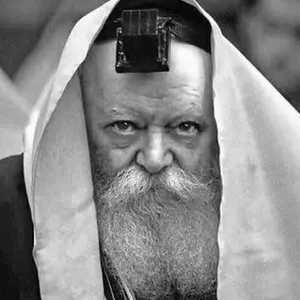

Seudas Melaveh Malkah
[6] (halacha 904)
Question: When should one hold the Melaveh Malka seudah?
Answer: It is written in Pri Eitz Chaim1: 'The additional soul (neshamah yeseirah) does not depart entirely until after the seudah of Motzaei Shabbos, therefore it is not fitting to engage in labor that is not for the preparation of food, or in Torah, until after the seudah of Motzaei Shabbos'. And so too wrote the Chida2 in the name of the old Sefer HaKavanos.
And the Yaavetz3 wrote: 'And one should attach it to the departure of Shabbos as much as possible, for after an hour passes, the holy Shabbos has gone and departed, however from the aforementioned Gemara it appears that it has a longer span of time, for to prepare and cook a calf, and likewise to bake warm bread, would require much more than one hour, and it appears that from the time of preparation and readying, the seudah is considered as the escorting of the Queen. And in any case one must attach it to Shabbos as much as he can. Therefore he should not engage in fixed labor until he has fulfilled his obligation of this seudah, whether much or little'.
And the Gaon R. Chaim Palagi brought it4: 'And in the sefer Amudei Shamayim he broadened for us the time of the fourth seudah, that there is no strictness if it is not immediately after Havdalah, see there a matter with reason, and to this the sefer Tosefes Shabbos siman 300 directed, and in Eshel MiPri, and this the Machzik Bracha brought there, even though he wrote that it is immediately, see there, but all is according to the food and its cooking, for although it is true that the mitzvah is to cook anew, however it is already possible that he will hasten to prepare it for himself quickly, and moreover we find that the neshamah yeseirah does not depart until he makes the fourth seudah, as written in the sefer Derech Chochmah, and Chesed LaAlafim, if so, if he delays a little, from this aspect it is good, for it concerns his soul5'.
And to note also from the words of the Rebbe in the sicha of Wednesday night of the Sukkos festival 57456: 'Since it concerns an important seudah, appropriate preparation for it is required: a person should arrange his table .. with all types of arrangement customary for him in setting the table for a full seudah, and likewise the cooking and preparation of the foods for the seudah. For if he eats the foods left over from Shabbos day (from what was cooked on Erev Shabbos), there will not be in this the superiority of fresh food, and therefore Israel have the custom ('the custom of Israel is Torah') to cook and prepare for this seudah (at least an important part of it) after Havdalah. And from this it is understood that this seudah is not immediately at the start of the night, but rather after a span of time'.
If so, from the words of the Arizal and the Yaavetz it is understood that there is value in attaching the Melaveh Malka seudah to the departure of Shabbos, but the intention is not to attach it literally, for one must cook and prepare new things in honor of the seudah.
And indeed we have found among several poskim who limited the time of the seudah, as follows:
a) The Yesod VeShoresh HaAvodah wrote7: 'And the Arizal wrote that it is forbidden to engage in any labor, even in words of Torah, and also not to remove the Shabbos garments until eating the fourth seudah, end quote; and fortunate is the man who does this and the person who holds fast to it. And those who eat it after four hours into the night have not fulfilled their obligation, I found'.
b) And there are those who wrote that its time is until midnight (chatzos), as the Ben Ish Chai wrote8: 'And it appears to me that although they gave it a measure of until after four hours, that is for the choicest performance of the mitzvah, but if he was prevented by circumstances he may fulfill it until midnight of the night, for our Rabbi z"l wrote in Sha'ar HaKavanos that until half of the night the holiness of Shabbos does not depart, and therefore he cautioned not to say vidui on Motzaei Shabbos before midnight'.
And so too wrote the Yeshuos Chochmah9 that b'dieved he has fulfilled his obligation when he ate it at least before midnight of the night.
c) On the other hand, in Chesed LaAlafim (Papo)10 he wrote: 'And its time is the entire night, and it is good not to delay it beyond a third of the night'.
[And the Gaon R. Chaim Palagi wrote there: 'And in Chesed LaAlafim he wrote that its time is the entire night, and I do not know from where he learned this, for it was stated explicitly that after four hours he has done nothing at all as one may see in the authors there'. However the Grayosef11 wrote to prove that its time is the entire night: 'However from the incident of the Gra who was prevented by circumstances and did not perform it at the start of the night, and awoke from his sleep, and asked the members of his household to see whether dawn had not yet risen, that they crumble for him a kezayis of bread and feed it to him with a spoon. It is proven that its time is the entire night, at least if it was not possible to perform it within four hours .. and I found in Sha'ar HaKavanos (folio 60b) beginning with the word gam, that he wrote, and it is forbidden to mourn over the destruction on Motzaei Shabbos before midnight, and know that the holiness of Shabbos extends throughout that entire night, and proof for this is from the matter of the fourth seudah etc. See there. It is proven from here like the Gra and the Chesed LaAlafim that its time is the entire night of Motzaei Shabbos'].
And the Mishnah Berurah wrote12: 'For just as one must honor Shabbos at its entrance, so too one must honor it at its departure, just as a person escorts the king as he leaves the city; and for this reason it appears that it is good to advance it so that it will be close to the departure of Shabbos, and if he does not yet crave to eat, it is proper at least that he not engage in fixed labor until he fulfills this seudah, and see in the Shaarei Teshuvah, from which it is implied that it is not worthwhile in any case to delay it more than midnight'.
If so, we have seen that it is fitting not to delay the Melaveh Malka seudah (unless one is troubled with its preparation), and there are those who wrote that after a third of the night [four hours] one has no longer fulfilled the mitzvah, and there are those who wrote that after midnight, but there are those who wrote that its time is the entire night, and one who did not advance to eat it should eat this seudah during the night13.
--------------
Notes:
1 שער השבת פכ"ד ↩
2 מחזיק ברכה או"ח סי' אות ב ↩
3 סידור מחיצה ד - סעודת לוית המלכה אות ג ↩
4 כף החיים סי' לא אות נט ↩
5 אך ראה חוסן ישועות סי' צו אות ב ↩
6 תו"מ תשמ"ה ח"א ע' 268 ↩
7 ש"ח פי"ב ↩
8 ש"ב ויצא סכ"ז ↩
9 סי' צו ↩
10 הל' שבת סי' ש אות א ↩
11 שו"ת יביע אומר ח"י או"ח סי' לג ↩
12 או"ח סי' ש ס"ק ב ↩
13 היו צדיקים שנהגו לאכול את הסעודה הזו ביום ראשון כמ"ש באוצר יד החיים סי' תתפה: 'עיין ערכין יג, ב ובמסכת תענית שיום א' בשבת עדיין נקרא מוצאי שבת וכן שמעתי מכמה צדיקי הדור שהיו אוכלין סעודות מלוה מלכה ביום א'. ויתירה מכך כתב האשל אברהם (בוטשאטש) סי' קעד: '(וגם הנזהרים בסעודת הלוית שבת ק' אין חיוב שיהיה בפת, ויכול להיות אחר הרבה שעות מההבדלה, ואולי מועיל גם ביום שלאחר כך, כל שכוונתו בשביל כבוד לויה. ושמעתי שיש גדולי הדור מנהיגים כן כעת, או גם בכל ג' ימים דלבתר שבת ק')'. אלא שלכאורה הנהגות אלו הם שייכים רק ליחידי סגולה ↩
[7] (halacha 910)
Question: Is there value in participating in preparing the seudah?
Answer: The Raavan wrote1: 'And that which Rav Safra said he singed a head and Rava salted a shibuta, and all these who performed the needs of Shabbos themselves, is because it is said in the chapter HaIsh Mekadesh that a mitzvah is preferable when done by the person himself rather than by his agent. And it is a mitzvah for a person to arrange his table on Motzaei Shabbos in honor of Shabbos, to accompany it, for R. Chanina said: a person should always arrange his table on Motzaei Shabbos even though he needs only a kezayis'.
And the Pesach HaDvir wrote2: 'From the words of the Gaon the Raavan z"l in Maseches Shabbos siman 361 it seems to me somewhat that this arranging of the table on Motzaei Shabbos should be by the master of the house himself, even if he has several servants, for a mitzvah is preferable by him rather than by his agent, similar to the preparation of the needs of Shabbos, that the great Amoraim would prepare themselves .. since he joins these two matters together in one siman and did not separate them, it is implied that his intention is as we have written; and it appears that he derives it from the phrasing 'a person should arrange his table,' which implies by himself and not by his agent, that the master of the house himself should prepare his table upon which he will eat. And this is why he did not need to teach us this matter in the other statement of R. Elazar that one should arrange his table on Erev Shabbos, for it is certainly obvious that it is among the needs of Shabbos itself, being no less than the singeing of a head and the like, for setting the table is a great preparation; but he informs us of this matter regarding the arranging of the table of Motzaei Shabbos as an additional point, so that you should not say that since Shabbos has departed this is not part of the honor of Shabbos, and just as one does on a weekday to set the table via others, so he shall do also now — to exclude this, he wrote it as halacha on Motzaei Shabbos, and with the reason he gives, that this too is for the honor of Shabbos, to accompany it; and therefore the person who eats shall be the one who arranges'.
★ ★ ★
Question: Must there be a tablecloth on the table for the purpose of the seudah?
Answer: The Gemara in Maseches3 says: 'And R. Chanina said: a person should always arrange his table on Motzaei Shabbos, even though he needs only a kezayis'.
And so too wrote the Mechaber4: 'A person should always arrange his table on Motzaei Shabbos in order to accompany Shabbos, even though he needs only a kezayis'.
And there are those who explained the intention to be that one must place on the table food of a complete seudah even though he plans to eat [only a little], as the Bach wrote5: 'And likewise on Motzaei Shabbos there is also the honor of Shabbos to accompany it at its departure in a manner of honor, like a person who escorts the king as he leaves the city; even so he should arrange his table with types of cooked dishes even though he will eat from them only a kezayis'.
But the Taz6 rejected this explanation7 and wrote that the intention is to spread a tablecloth on the table: 'A person should always arrange etc. They did not intend the matter of making cooked dishes even if he needs only a kezayis of them, for if so the meaning of "needs" would be from the aspect of satiety, and he should have said "even if he is sated," not the expression "needs," for this is obvious, that one cannot say that he craves to eat a kezayis, and also it is impossible to say so, to estimate thus before eating; rather the meaning is that he should arrange his table by spreading a tablecloth on the table and the other types customary for him in setting the table, and about this he said even one who is accustomed only to a kezayis whether from his poverty or from his satiety, in any case for that kezayis he shall make for himself a preparation and spread the tablecloth for the honor of Shabbos, and so it is implied in siman 262 where he wrote "and he shall arrange his table and make the beds etc.," which implies that it refers to the preparation, not to the seudah, similar to the making of the beds; but regarding the seudah he shall do as his custom, so it appears to me'.
And so too wrote the Machatzis HaShekel8: 'A person should always arrange etc. Although the Gemara is not speaking of an obligation to eat, but rather to say that even though he needs only a kezayis he should not eat it in a casual manner but rather in a fixed and arranged manner, and about this they said "he should always arrange etc.," that is, spreading a tablecloth and lit candles and all matters of the seudah, as the Taz wrote in siman 300'.
And so too wrote the Yaavetz9: 'Even if he does not eat bread but only tastes anything, he should sit at the table spread with a tablecloth and a lit candle and enjoy whatever he wishes .. for the honor of the master of the seudah'.
And so too wrote the Eshel Avraham (Butchatch)10: 'And one who has no desire then to eat bread, it is not incumbent upon him to trouble himself to eat bread also .. only nevertheless he should arrange with a tablecloth, so that it will be somewhat in the style of a fixed seudah'.
The Alter Rebbe too11 brought the words of the Taz as halacha12: 'A person should always arrange his table on Motzaei Shabbos with all types of arrangement customary for him in setting the table for a full seudah, even though now he will eat only a kezayis, whether because he has no more or because he does not crave more, nevertheless he should make a preparation in arranging the table, such as spreading a tablecloth and the like, as for a full seudah, in order to accompany Shabbos at its departure in a manner of honor as at its entrance, as explained in siman 2[6]2'.
If so, in practice it is fitting to trouble oneself with this seudah personally, and one must arrange the table as one arranges for a Shabbos seudah, to spread a tablecloth and the like, even in the case where one eats only something small.
Notes:
1 שבת סי' שסא ↩
2 שו"ע או"ח סי' ש ס"ק ג ↩
3 שבת קיט, ב ↩
4 שו"ע שם ס"א ↩
5 או"ח שם ↩
6 או"ח שם ס"ק א ↩
7 ראה פרי מגדים או"ח משב"ז סי' ש ס"ק א. וראה גם לקו"ש חל"ו ע' 71 ↩
8 או"ח סי' רעד ס"ק ב ↩
9 בסידורו לוית המלכה בסעודה אות ד ↩
10 או"ח סי' ש ↩
11 שו"ע או"ח שם ס"א ↩
12 ראה לקו"ש שם הערה 18 ↩
[8] (halacha 915)
Bread
Question: Must one eat bread at the seudah?
Answer: The Gemara in Maseches Shabbos1 says: 'And R. Chanina said: a person should always arrange his table on Motzaei Shabbos, even though he needs only a kezayis. Warm water on Motzaei Shabbos, a remedy; warm bread on Motzaei Shabbos, a remedy'.
And the Mechaber2 brought the words of the Gemara as halacha: 'A person should always arrange his table on Motzaei Shabbos in order to accompany Shabbos, even though he needs only a kezayis'.
And so too wrote the Alter Rebbe there: 'A person should always arrange his table on Motzaei Shabbos with all types of arrangement customary for him in setting the table for a full seudah, even though now he will eat only a kezayis, whether because he has no more or because he does not crave more'.
And from the words of the Gemara and the Shulchan Aruch it appears that the seudah on Motzaei Shabbos was performed with a kezayis of bread.
But there are those who wrote that this is not specifically so, but rather merely an example, and the main point is that one should arrange a table and eat something in honor of this seudah, as the Eshel Avraham (Butchatch) wrote3: 'And one who has no desire then to eat bread, it is not incumbent upon him to trouble himself to eat bread also, and there is no implication from the Gemara and the poskim to eat bread then. Only nevertheless he should arrange with a tablecloth, so that it will be somewhat in the style of a fixed seudah'.
And on the other hand there are those who wrote that one specifically needs bread, as written in the Biur HaGra4: 'Only a kezayis. As the language of the Gemara, and specifically with bread as on Erev Shabbos, for the statement of R. Elazar and R. Chanina were stated together there 119b, see there'.
And so too wrote the Chida5: 'And for one for whom it is impossible to eat bread, he should at least eat pas haba'ah b'kisnin'.
And from the words of the Machatzis HaShekel6 it is explained that l'chatchilah one must eat bread in the measure of a k'beitzah: 'And however the source of the measure of a beitzah is the words of the Ran7 in the name of the Bahag chapter Kol Kisvei8 and it is known that his words are words of tradition. And to my humble opinion I say, on the contrary, that the strength of the Ran in the name of Halachos is the statement of R. Elazar above .. and so it may be explained in the language of R. Elazar, "a person should always arrange his table on Erev Shabbos," meaning in preparing the things for the seudah and that it should appear as a fixed seudah and not as a casual eating, in honor of Shabbos, and certainly if he ate the seudah of Friday night or of Motzaei Shabbos without spreading a tablecloth and the other preparations, if he ate the measure he has certainly fulfilled his obligation, only he did not perform the choicest mitzvah. And the Bahag derives from this, that just as we require that it appear as a fixed seudah in the preparation of the seudah by spreading a tablecloth and the like, all the more so regarding the measure, that the choicest mitzvah is more than a k'beitzah, which is the measure of a fixed meal. And if so, on the contrary, according to the Bahag the words of R. Elazar are thus explained: "a person should always arrange etc.," so that it appears as a fixed seudah, both in spreading a tablecloth and in the measure of eating, that is, more than a beitzah, even though he needs only a kezayis, meaning from the standpoint of the law a kezayis is sufficient and he fulfills his obligation with it, nevertheless the choicest mitzvah is that it be in a fixed manner with the spreading of a tablecloth and the rest of the preparations, and all the more so regarding the measure that it be more than a k'beitzah, and the words of the Bahag are thus resolved well'.
And according to Kabbalah there is value in this seudah to recite HaMotzi, and moreover that the bracha be over lechem mishneh, as written in Pri Eitz Chaim9: 'And after the Havdalah of Motzaei Shabbos, one should arrange two loaves, but hold in his hands only one, and say "this is the seudah of David the King," and by his merit one is saved from chibut hakever'10.
And so too wrote the Rama MiPano11: 'After Havdalah on Motzaei Shabbos he arranges his table with two loaves and does not hold in his hand except one, and says "this is the seudah of David the King," and by its merit one is saved from chibut hakever'.
And the Gaon R. Chaim Palagi wrote12: 'That it is better for the choicest performance of the mitzvah to do it with bread and zimun and a cup, and all the more so since the fourth seudah corresponds to David who is the aspect of the cup of kingship'.
And regarding the conduct of the Rebbe the attendant R. Sholom Ber Gansburg related13: 'On every Motzaei Shabbos the Rebbe ate the Melaveh Malka seudah - which always included the washing of the hands - even if he arrived home at a very late hour'.
If so, we have seen that it is fitting l'chatchilah to perform the Melaveh Malka seudah with bread, and there are those who had the custom to be stringent to break bread over lechem mishneh, and also to endeavor to make a zimun over a cup. (And one who is unable to eat full bread should at least eat pas haba'ah b'kisnin).
Notes:
1 קיט, ב ↩
2 שו"ע או"ח סי' ש ס"א ↩
3 או"ח סי' ש ↩
4 על השו"ע שם ↩
5 מחזיק ברכה או"ח סי' ש ס"ק א ↩
6 או"ח סי' רצא ס"ק א ↩
7 שבת מג, ב ד"ה ת"ר כמה ↩
8 סי' ז פט"ז עמוד קכו ↩
9 שער השבת פי"ז ↩
10 וכ"כ בסידור האריז"ל של ר' שבתי, וקול יעקב. והבן איש חי ש"ב ויצא סכ"ו ↩
11 כנפי יונה ח"ב סי' ג ↩
12 כף החיים סי' לא אות נח ↩
13 בקודש פנימה ע' 17 ↩
[9] (halacha 920)
Question: Does one need a cooked dish for this seudah?
Answer: The Gemara in Maseches Shabbos1 says: 'Warm water on Motzaei Shabbos, a remedy. Warm bread on Motzaei Shabbos, a remedy. For R. Abbahu they would prepare on the departure of Shabbos a third-grown calf, and he would eat from it only the kidneys; when his son Avimi grew up, he said to him: why should you lose so much? Let us leave over the kidneys from Erev Shabbos; they left it over, and a lion came and ate it'. [=For R. Abbahu they would prepare on each Motzaei Shabbos a choice calf (which had grown to a third of its growth), and he would eat from this only the kidneys; when his son Avimi grew up, he asked his father, why should you lose so much (to prepare a whole calf on Motzaei Shabbos only for its kidneys); from the calf you prepare on Erev Shabbos for Shabbos, save from it the kidneys for the seudah of Motzaei Shabbos, and so he did, except that as a punishment a lion came on Motzaei Shabbos and tore apart the calf that he did not slaughter].
And the Maharsha wrote2 regarding warm bread: 'The reason for this is that one should honor Shabbos with an escorting seudah with something new that was warmed after Shabbos to enjoy from it, which was forbidden that day, warm water and warm bread; and close to this is the reason for the bracha of Meorei HaEish on Motzaei Shabbos and on Yom Kippur over the candle, that it is a thing that was newly permitted to enjoy now, which was forbidden on the past Shabbos day ..'.
And regarding the lion that ate the kidneys, the Maharsha explained there: '.. this is not the honor of the seudah of escorting the Queen, that it should be from one kidney left over from the Shabbos seudah, but rather it requires a seudah in its own right, as it says "a person should always arrange etc." as written above'.
If so, the Maharsha learned from the words of the Gemara that the Melaveh Malka seudah must be with something new that was warmed after Shabbos, and not from the leftovers of Shabbos. And so too wrote the Chida3: 'And from here [=from the words of the Gemara] we learn that one for whom it is possible, it is good to make something new for Motzaei Shabbos, for it requires a seudah in its own right and not from leftovers, and so too wrote the Maharsha in his Aggados, and see what the Rav Magen Avraham z"l wrote'.
And in this vein the Magen Avraham wrote4: 'In the Gemara it is implied that it is proper to cook meat on Motzaei Shabbos5 or something else and see siman 2916, and in our time when they delay the third seudah so much that they cannot eat on Motzaei Shabbos, they may fulfill it with fruit'.
From the words of the Magen Avraham it appears that the main point is a new cooked dish and there is no difference whether it is meat or other things; however the Pri Megadim wrote on his words: 'This implies that it is a mitzvah to cook meat if he has it, and if he does not have it, other cooked dishes'.
And to note from the Aruch HaShulchan7: 'And it is proper to eat meat for one who is able to eat, and if not he should eat fish, for that too is an important food, or good fruit when he has it, and eat them with bread, and one who cannot eat bread at all should fulfill it with mezonos and with fruit'.
The Eshel Avraham (Butchatch)8 appears to have understood the Magen Avraham in accordance with the words of the Pri Megadim, and wrote: 'The Magen Avraham a"h wrote that it is implied that the seudah of escorting the holy Shabbos Queen is proper to be with meat, see there. And perhaps there is no decisive proof from the incident in the holy Gemara, for there it was only from the aspect of diminished honor, that after his father had prepared a whole animal for the seudah, and he knew within himself that no concern of deficiency or trial in the mitzvah would be drawn from this, and especially since it was his will thus, there applied in this the aspect of "and You satisfy the desire of every living thing," "it is a desire that upon the food which is worthy, satiety rests"9; therefore what he wished to reduce, leaving only one limb, was a deviation from the proper, and it was through the eating of the animal by a lion a determination that he should not have deviated from the style that his father z"l made. And regarding it being specifically meat there is no decisive proof, only according to the satisfaction of the desire, and indeed the son z"l too left over meat according to the need of the satiety then, only from the aspect of desire they were accustomed then to feed more than the satiety that was required, in the aspect of "space for the sweet is found"10. And those who then choose dairy foods, whatever the reason may be, as long as there is a desire for them for that food, it is considered like meat'.
The Alter Rebbe11 wrote in accordance with the words of the Magen Avraham: 'And it is good to cook meat or something else on Motzaei Shabbos in honor of this seudah, and in our time when they delay the third seudah so much that they cannot eat on Motzaei Shabbos, they may fulfill this seudah with fruit'.
The Rebbe in the sicha of Wednesday night of the Sukkos festival 574512 said: 'Since it concerns an important seudah, appropriate preparation for it is required: a person should arrange his table .. with all types of arrangement customary for him in setting the table for a full seudah, and likewise the cooking and preparation of the foods for the seudah. For if he eats the foods left over from Shabbos day (from what was cooked on Erev Shabbos), there will not be in this the superiority of fresh food, and therefore Israel have the custom ('the custom of Israel is Torah') to cook and prepare for this seudah (at least an important part of it) after Havdalah. And from this it is understood that this seudah is not immediately at the start of the night, but rather after a span of time'.
If so, we have seen that there is value in cooking meat or something else specifically for the Melaveh Malka seudah and not eating only from the leftovers of the Shabbos foods.
Notes:
1 קיט, ב ↩
2 חדושי אגדות שם ↩
3 מחזיק ברכה או"ח סי' ש ס"ק ד ↩
4 או"ח סי' ש ↩
5 ועפי"ז דנו הפוסקים באו"ח סי' תקנא לגבי אכילת בשר בסעודת מלוה מלכה של מוצ"ש חזון ↩
6 וראה במחצית השקל שיתכן שכוונתו להוכיח משם שניתן לצאת י"ח בפירות ↩
7 או"ח שם ס"ג ↩
8 או"ח סי' ש ↩
9 זוהר שמות קנג, ב ↩
10 עירובין פב, ב ↩
11 שו"ע או"ח שם ס"ג ↩
12 תורת מנחם תשמ"ה ח"א ע' 268 ↩
[10] (halacha 941)
Warm food
The Gemara in Maseches Shabbos1 says: 'Warm water on Motzaei Shabbos - a remedy, warm bread on Motzaei Shabbos - a remedy'.
And Rashi wrote: 'Warm water - to drink and to wash. A remedy - a healing'.
That is, a healing for a person to drink and to wash with warm water, and likewise to eat warm bread on Motzaei Shabbos2.
And regarding the reason for this the Maharsha wrote3: 'The reason for this is that one should honor Shabbos with an escorting seudah with something new that was warmed after Shabbos to enjoy from it, which was forbidden that day, warm water and warm bread; and close to this is the reason for the bracha of Meorei HaEish on Motzaei Shabbos and on Yom Kippur over the candle, that it is a thing that was newly permitted to enjoy now, which was forbidden on the past Shabbos day; and because most eating and drinking on Shabbos is cold, which is bad for the sick, he said that warm things at the escorting seudah on Motzaei Shabbos are a remedy like a healing, and this is easy to understand'.
Warm bread
The Acharonim discussed the words of this Gemara, which seemingly contradict the words of Chazal in several places that warm bread is harmful to a person, as follows: 1) The Gemara in Yoma4 says: 'R. Yochanan suffered from tzafdina [an illness of the teeth and gums, which begins in the mouth and ends in the intestines, and is dangerous. Rashi] .. from what did it come? From warm-warm wheat [one who eats warm bread too much. Rashi] and from the remnants of a fried-fish dish'. 2) In the Yerushalmi Shabbos5 it is written: 'R. Yaakov bar Acha in the name of R. Assi: women are diligent with bread more than with the cooked dish. What is the difference between bread and the cooked dish? A cooked dish is customarily eaten hot, bread is not customarily eaten hot. There they say: warm bread, its heat is beside it'6. 3) In Chupas Eliyahu Rabbah7 it is written: 'Ten things diminish a person's strength, and these are they .. warm bread'.
The Gaon R. Yaakov Palagi in his sefer Yafeh LaLev8: 'And that which we say "warm bread on Motzaei Shabbos a remedy" and Rashi explained a healing, it is not literally warm but rather to exclude coarse bread (kibar)9, for it is stated in Chupas Eliyahu Rabbah .. ten things diminish a person's strength and one of them is warm bread, see there. And it appears more that there in Chupas Eliyahu it deals with warm bread that comes straight out of the oven in which it was baked, but if after it has already cooled from the heat of the baking and some time has passed and he wishes to warm it anew in an oven or stove, it is well, for it becomes shrunken and improves for him, as I, the poor one, wrote in my novellae on Shabbos there10'.
[The Be'er Moshe11 wrote that although this answer is correct, it does not settle well with the language of our Gemara: 'Only the language of the Gemara says R. Elazar said a person should always arrange his table on Erev Shabbos etc. and R. Chanina said a person should always arrange his table on Motzaei Shabbos etc., which implies that just as on Erev Shabbos he arranges his table with the baking of warm bread anew, so too on Motzaei Shabbos, and so it comes out explicitly in the Aggados Maharsha, see there .. but in truth many people wish to fulfill their obligation of the statement of R. Chanina with what they warm up whole bread, and according to the above, the main statement of R. Chanina they do not fulfill'.
However in Yad Yosef12 he testified about his teacher the Maharam A"Sh: 'If warm bread is impossible one should warm the bread by the fire, and so my teacher zt"l conducted himself']
An additional explanation is set forth in the Acharonim based on the words of Rashi in Yoma there, who wrote: 'One who eats warm bread too much', that is, the whole problem is only with truly warm bread - boiling hot, but anything that is not boiling hot, but merely warm, on the contrary is beneficial for healing, as written in the Mishmeres Shalom (Czerniak) there13: 'And there in Yoma one may say that specifically with warm bread too much there is then danger, as Rashi wrote there, and it is precise in the words of the Gemara "warm-warm"'14.
And so too wrote the Ben Ish Chai15: 'And moreover it is stated there folio 84 that if a person eats warm wheat bread it is bad for the illness of fever, and likewise they said in the Yerushalmi warm bread its heat is beside it, and it appears that it deals with warm too much, for so implies the language "warm-warm," and so it may be proven from the Gemara in Chullin folio 105a; however in the holy city of Jerusalem they are concerned with plain warm bread even if it is not warm too much'.
Warm drink
In the sefer Divrei Yitzchak16: I heard in the name of the famous tzaddik our teacher Meshulam Zusha zt"l regarding the statement of the Gemara "warm water on Motzaei Shabbos a remedy," and behold the Gemara did not explain for what thing it is a healing but rather said simply that it is a remedy, and he z"l said that it is a healing so that he should not have sadness, and it is alluded to in the verse "and He binds up their sorrows (u'mechabesh le'atzvosam)," for MeChaBeSh is an acronym for "warm water on Motzaei Shabbos a remedy" (Chamin B'motzaei Shabbos Melugma), and it is adjacent to "le'atzvosam" to say that it is a healing for sadness, end. And I heard in the name of a certain famous tzaddik that it is good to say so explicitly at the time of eating warm food, then he should say "warm water on Motzaei Shabbos a remedy"'.
And in the Eshel Avraham (Butchatch)17 he wrote an additional explanation regarding the virtue of drinking in general at this seudah: 'The seudah of holy Motzaei Shabbos should also be drunk at, since the limb that benefits only from that seudah, and from which is the beginning of the resurrection of the dead, is a bone, and bones benefit from drinking, as Chazal said18 regarding the recognition in the bones whether the wine was mixed. And in any case there is also reliance on drinking the wine of Havdalah well'.
In the sefer Minhag Yisrael Torah19 he wrote: 'And behold, to wash with warm water on Motzaei Shabbos they did not have the custom in any case, and also to eat warm bread I have not seen anyone particular about, except that in Likutei Maharich he brought that the Maharam A"Sh was particular to eat warm bread .. however to drink warm things has already spread among Chassidim and men of deeds who drink coffee or tea on Motzaei Shabbos'.
--------------
Notes:
1 קיט, ב ↩
2 במשמרת שלום (צרניאק) ח"ב חידושי דינים ליו"ד הל' שמחות ערך סכנה אות יז כתב שכדברי הגמרא שלנו שפת חמה מועילה לבריאות כן איתא בחולין ו, ב: 'בר בי רב ליכול חמימי' ↩
3 חידושי אגדות שבת שם ↩
4 פד, א ↩
5 פ"א ה"י ↩
6 וראה בפירוש קרבן העדה שם. ושו"ע אדמו"ר הזקן מהדו"ב לסי' רנט: '(אי נמי סבירא ליה כמ"ש בירושלמי לחלק בין תבשיל לפת שאין דרכה ליאכל רותחת כתבשיל, דפת חמה חמתה בצדה וכו')' ↩
7 שער עשרה (נדפס בסו"ס ראשית חכמה) ↩
8 ח"ב או"ח סי' ש ↩
9 ראה רא"ש מסכת מכשירין פ"ב מ"ח: 'שאינו נקי שלא ניטול מורסנה מתוכה'. [וראה שהש"ר פ"א: 'אמר רבי יצחק זו פת קיבר שנמכרת חוץ לפלטיא שהיא שחורה מסובים של שעורים'] ↩
10 ראה בספרו יפה תלמוד ח"א דף לד, ג ↩
11 שו"ת ח"ח סי' צח אות ב ↩
12 (רוזענבורג) או"ח סי' ש ↩
13 וראה ג"כ כף החיים (או"ח סי' ש אות יב) שכתב: 'ועוד י"ל חמה לאפוקי קרה אבל לא חמה כ"כ שמתשת כוחו של אדם' ↩
14 ש"ב פינחס סט"ז ↩
15 (ויס) אות לג ↩
16 או"ח סי' ש ↩
17 נדה כד, ב ↩
18 סי' ש ס"ק ג ↩
[11] (halacha 946)
Something one craves / something new
The Eliyah Rabbah wrote1: 'And these are the words of Piskei Tosafos, one should endeavor to eat a type of food that he craves more, even though it is expensive, and if he craves to eat many types he should endeavor after them according to his ability, but he should not prepare of each type more than what he estimates he can eat of it, only he should not estimate stingily but generously, and likewise in this manner in all three seudos on Shabbos, unlike the Bach, end'.
And the Ben Ish Chai2 wrote: 'And there are those who endeavor to bring to the table something new to eat, a type of fruit or a type of preserve and sweet things that they did not eat from during the three seudos of that day'.
> One who cannot eat at all
The Shelah wrote3: 'And one who fasts on Motzaei Shabbos, such as one who makes a hafsakah from while it is still day, then he should trouble himself to prepare this seudah for others, and he shall study the ma'amarim and the laws mentioned regarding this seudah and its secret, and may the words of his mouth be pleasing as if he had done so. And so too did R. Shimon bar Yochai4 on Erev Pesach that fell on Shabbos, that he was engaged in the secrets of the Torah in place of the third seudah'.
> Candles on Motzaei Shabbos - and at the Melaveh Malka seudah
The Tzeidah LaDerech wrote5: 'And therefore a person should light a candle more beautiful than on other weekday nights and prepare the table and sing verses of joy and spirit and salvation'.
The Mateh Moshe wrote6: 'And on Motzaei Shabbos when they leave the synagogue they have the custom to take candles in their hands to light the way for them on which they walk to their houses, and those candles are candles of a mitzvah7. And so too I found in the rulings of my master and teacher [=the Maharshal]8 who wrote as follows, they light a candle on Motzaei Shabbos from the candle of the synagogue in order to go home, for this too is a candle of a mitzvah, as we say in the Midrash9 about how Shaul merited kingship — because his father lit the dark alleyways with many candles, so I found. And afterward I looked in the Megillas Setarim of R. Nissim Gaon who wrote as follows, R. Lakish said Shaul merited kingship only through his grandfather who would light many candles. Therefore his name was called Ner; one verse says10 "Ner begot Kish," and another verse says11 "Kish son of Achish (i.e., Aviel) etc.," but rather because he would light candles for the public he was called Ner. And he elaborated further that he would light alleyways, even from his house to the schoolhouse he would light candles in them to give light to the public, end quote. And he brings this matter from the Yerushalmi chapter 3 of Shevuos12, end quote of my teacher z"l. And this Midrash is in Vayikra Rabbah parashas Tzav chapter 9. And I have seen scrupulous ones who light candles in a dark place on Motzaei Shabbos. And it is a proper custom that just as they light candles at its entrance so should one do at its departure, as the Shibbolei HaLeket13 and the Abudraham wrote, that they had the custom to say piyyutim and zemiros to accompany Shabbos in the way that they escort the king at his entrance and at his departure; so too it is proper that whatever they do for the honor of Shabbos at its entrance should be done to accompany it at its departure'.
And so too wrote the Alter Rebbe14: 'And therefore there are those who have the custom to increase candles on Motzaei Shabbos more than on other weekday nights, and they also have the custom to say piyyutim and zemiros after Havdalah to accompany Shabbos after it has departed, in the way that they escort the king after he has left the city'.
The Rebbe15 writes: 'And our Rebbeim related that the Baal Shem Tov "loved brightness" [=loved light], and even literally so, and as is known the story of how the Baal Shem Tov and his students increased candles on Motzaei Shabbos Kodesh'16.
However in all of the above no connection was mentioned between the lighting of candles specifically and the Melaveh Malka seudah17 but rather in a general manner on Motzaei Shabbos.
However we find that there are those who mentioned an addition of lighting candles at the Melaveh Malka seudah, as the Yaavetz wrote in his siddur18 regarding the seudah: 'And one must accompany it with every manner of honor akin to that of Shabbos as above, therefore he should also light an additional candle in its honor'.
And so too wrote the Machatzis HaShekel19: 'And see in the Taz who wrote, that which they said "a person should always arrange etc." means in a manner of a fixed seudah with the spreading of a tablecloth and setting of the table and the lighting of candles, as on Friday night'20.
However to note that in the anthology Bekodesh Penimah21 it is brought: 'The Rebbe was not particular that a candle should burn at the time he ate this seudah'.
If so, we have seen that there is value in increasing candles and lighting on Motzaei Shabbos, [and there are those who connected this to the Melaveh Malka seudah].
Notes:
1 או"ח סי' ש ס"ק א ↩
2 ש"ב ויצא סכ"ו ↩
3 מסכת שבת פרק נר מצוה ↩
4 זח"ג צה, א ↩
5 מאמר רביעי כלל ראשון פ"ז בסופו ↩
6 סי' תקיב ↩
7 מנהגות וורמייזא לר"י קירכום ↩
8 הגהות לטור או"ח סי' תרעד ↩
9 ויק"ר פ"ט, ב. תנחומא תצוה ח ↩
10 דה"א ח, לג ↩
11 ש"א ט, א ↩
12 ה"ז ↩
13 סי' קל ↩
14 שו"ע או"ח סי' ש ס"ב ↩
15 אג"ק חי"ט ע' מא ↩
16 יש מי שכתב (ראה פסקי תשובות שם אות ג הנסמן בהערה 36) שישנה סגולה בשם הבעש"ט להדליק ארבעה נרות בסעודה ↩
17 שגגה נפלה בדברי הפסק"ת סי' ש הערה 36 שציין למשנ"ב. ודו"ק ↩
18 בית דוד בית נ"ז מחיצה ד לוית המלכה בסעודה ↩
19 או"ח סי' ש בהקדמה ↩
20 ולהעיר שהט"ז עצמו לא הזכיר בדבריו הדלקת נרות ↩
21 ע' 17 ↩
[12] (halacha 952)
The seudah of David the Anointed King
It is written in Pri Eitz Chaim1: 'And after the Havdalah of Motzaei Shabbos, one should arrange two loaves, but hold in his hands only one, and say "this is the seudah of David the King," and by his merit one is saved from chibut hakever'.
And it is further written there2: 'There are 31 kings in the kelipos that Yehoshua conquered, and corresponding to them 31 holy hours. And this is the secret of "El the King sits," namely from midday of Friday until the night, six hours, and Shabbos day is 24, with the six that is 30, and one at the seudah of Motzaei Shabbos, which is the seudah of David the King, that is 31, and one who does not fulfill the seudah of David, one kelipah will remain without subjugation'.
And the Yaavetz in his siddur3 wrote to also say three times "David King of Israel lives and endures". And he explained there regarding this seudah and its connection to the etzem haluz (the luz bone): 'However it benefits from a seudah in which there is no complete eating, that is, the seudah of Motzaei Shabbos, which is eaten upon satiety, and it is not eaten as complete eating in a manner where the benefit reaches the other bones but only this one, for it does not require eating, only from the intent of the mitzvah it benefits, and not from the physicality of the eating, which is not present here, and it is done only for the sake of the mitzvah alone, and therefore it is the seudah of David the King a"h who had no life in this world, as is known. And he is called living and enduring4, and this is enough for the one who understands'.
The Ben Yehoyada5 wrote on the words of the Gemara 'For R. Abbahu they would prepare on the departure of Shabbos a third-grown calf, and he would eat from it only the kidneys': 'It is known the approach of Rashi z"l to explain "egla telisae" as third to the womb, and it appears to me with divine help according to this explanation, what is the reason they prepared for him a calf third to the womb, seeing that he ate of its meat only the kidneys? And this is that it is known what the commentators z"l wrote, the reason they call the fourth seudah "the seudah of David the King" is because the Holy One blessed be He revealed to him that he would pass away on Shabbos, therefore every Shabbos he would sit in this fear, and after the departure of Shabbos, while he was still alive, he would make a great seudah, and therefore they call this seudah by his name; and it is known that Chazal said6 "I found David My servant" — where did I find him? In Sedom, that he came forth from Ruth the Moabite by way of finding, and he was the third generation, being Oved, Yishai, David; therefore at this seudah, which is of David the King a"h who was third in this aforementioned finding, they slaughter for him a calf that is third to the womb'.
The Rebbe writes7 in a note to a letter: 'And in Pri Eitz Chaim Sha'ar HaShabbos end of chapter 24: that it is the seudah of David the King. And in the Siddur of the Arizal, kavanos of Havdalah and Motzaei Shabbos: and he should say "this is the seudah of David the Anointed King," and in the zemiros for Motzaei Shabbos there are several requests for the coming of Eliyahu and Mashiach'.
> Mention and a story from the Baal Shem Tov
The righteous Rebbetzin Mrs. Rivka, wife of the Rebbe Maharash, related to her grandson the Rebbe Rayatz8: In the year 5609 I became the daughter-in-law of the uncle, the Tzemach Tzedek, the wife of your grandfather; my father-in-law called all his daughters-in-law who were in Lubavitch .. and told them to establish a practice every Motzaei Shabbos to tell a story of the holy Baal Shem Tov; we asked whether the intention was only to mention the Baal Shem Tov or to tell a story of the Baal Shem Tov, and the Tzemach Tzedek answered certainly. And from then on, behold, every Motzaei Shabbos one of his daughters-in-law would enter to the Tzemach Tzedek and he would tell a story of the Baal Shem Tov, and upon leaving him she would tell all of us the story'.
This matter is brought in additional sefarim - in the sefer Be'eros HaMayim9 he wrote: 'A segulah for parnassah, we have a tradition from the mouths of the tzaddikim, foundations of the world, may their souls rest in Eden, that it is good to mention the holy Baal Shem Tov every Motzaei Shabbos Kodesh, and to relate his praises and his ways, and this is a segulah for success throughout the entire week for all matters, both of the body and of the soul'.
And in the sefer Sippurei Tzaddikim HeChadash (Sobelman)10 he wrote: 'And I heard from a trustworthy man who heard from the holy mouth of the Rebbe Maharai [=of Sadigura] zt"l, and thus he said with his holy mouth, when one speaks on Motzaei Shabbos Kodesh of the Baal Shem Tov it is a segulah for the soul, and when one speaks on Motzaei Shabbos of the Rebbe R. Moshe Leib of Sassov it is a segulah for parnassah, and when one speaks of the Rav of Berditchev z"l it is a segulah for the sweetening of judgments, and not specifically his holy name but even mentioning the name of the city Berditchev is likewise a segulah for the sweetening of judgments ..'.
And in Minchah Chadashah11 he wrote: 'And I heard in the name of great ones and tzaddikim that on Motzaei Shabbos it is a mitzvah to tell some matter of the divine tanna R. Yisrael Baal Shem Tov zt"l. And I, the humble one, have some support for this from the sefer Toldos Yaakov Yosef who wrote there that Achiyah HaShiloni was the teacher of Eliyahu HaNavi and the teacher of the Baal Shem Tov, and if so, just as it is a mitzvah to mention the name of Eliyahu12 so too it is a mitzvah to mention the name of the holy Baal Shem Tov, may his merit protect us'.
The Rebbe also mentioned the custom of mentioning the Baal Shem Tov on Motzaei Shabbos parashas Bereishis 572113: 'First of all one must emphasize the great value in mentioning the merit of the fathers, as we find in the Gemara that "the one appointed over the lotteries says the whole face of the east has lit up as far as Chevron," "to mention the merit of the fathers they mention Chevron," and in this vein regarding the fathers of Chassidus, beginning with the Baal Shem Tov, and as is known the custom that on Motzaei Shabbos Kodesh they mention concerning the Baal Shem Tov'.
[However to note and to illuminate that there is always great value in mentioning stories of the tzaddikim, the great ones of Israel, and not only on Motzaei Shabbos, as is brought in the introduction to Shemuos VeSippurim14 in the name of the Rebbe Maharash: 'Likewise there is a story that the Rebbe Maharash n"e said: three errors that the world errs, they say that one who tells a story of the Baal Shem Tov on Motzaei Shabbos Kodesh, this is a segulah for parnassah. And here there are three errors: a) not only of the Baal Shem Tov but of all the holy tzaddikim. b) not only on Motzaei Shabbos but at every time and season. 3) a segulah not only for parnassah but this is a segulah for all things, children, life, and sustenance, which include within them all matters of this world for good and for blessing'.
And so too it is brought in the name of the holy R. Yisrael of Ruzhin15: 'The world says that when one speaks on Motzaei Shabbos of the Baal Shem Tov z"y it is a segulah for parnassah, and when one speaks of the Rebbe R. Zusha and of his brother the Rebbe R. Elimelech z"y - from one of them it is a segulah for fear of Heaven and from one of them a segulah for children. And I say: not specifically of the aforementioned tzaddikim, and not specifically on Motzaei Shabbos, and not specifically in these matters, but rather of all the tzaddikim whenever one speaks of them, it is a segulah for everything, in spirituality and in physicality'].
If so, we have seen that this seudah is called the seudah of David the Anointed King, and there is value in mentioning this at the time of the seudah, and we have also seen the virtue of mentioning the Baal Shem Tov on Motzaei Shabbos.
Notes:
1 שער השבת פי"ז ↩
2 פכ"ד ↩
3 בית דוד בית נ"ז מחיצה ד לוית המלכה בסעודה ↩
4 ראש השנה כה, א. וראה שיחת יום ב' דחגה"ש התשל"ד (תו"מ ח' עו ע' 247 ואילך) ↩
5 שבת קיט, ב ↩
6 בראשית רבה פ"נ, י ↩
7 מוצש"ק פ' בראשית התשמ"ה (לקו"ש חכ"ה ע' 489) ↩
8 סה"ש ה'ת"ש מהדורת לה"ק ע' קעה ↩
9 ערך סגולות ↩
10 אות עט ↩
11 שיורי המנחה לסי' צו אות ו ↩
12 ראה שו"ע אדמו"ר הזקן או"ח סי' רצה ס"ה. והלכה מספר 837 ↩
13 תו"מ חכ"ט ע' 142 ↩
14 ח"א ע' 4 ↩
15 בית ישראל אות ז. ארץ החיים מערכת י אות רסו. וכן הובא בשם הרה"ק ר' שלום מבעלז (כתבי ר' יאשע שו"ב ערך ר' לוי"צ מבארדיטשוב אות יג) ↩
[13] (halacha 957)
Joy, and zemiros on Motzaei Shabbos Kodesh
> To rejoice at the seudah
It is written in the Siddur of the Arizal1: 'One should rejoice at this seudah as at the seudah of Shabbos, for it is a seudas mitzvah'. The Rebbe drew attention to this2 and wrote: 'See in the Siddur of the Arizal in its place "one should rejoice at this seudah as at the seudah of Shabbos," Shulchan Aruch of the Alter Rebbe siman 300 se'if 2'. And there in the Shulchan Aruch of the Alter Rebbe it speaks of the lighting of candles, and the piyyutim and zemiros that they do on Motzaei Shabbos, as will be brought below.
In the sicha to the members of the Melaveh Malka of New Haven the Rebbe said3 [=free translation]: '.. the aforementioned comes to expression when Jews gather to hold a Melaveh Malka seudah with joy. A day passed on which there was no income and, on the contrary .. and he holds the Melaveh Malka seudah with joy, saying and thinking "fear not, My servant Yaakov," out of faith .. that the Holy One blessed be He provides him his sustenance in money according to the plain sense of things, and the main thing is that the money finds its way to joyful and good matters'.
> Piyyutim and zemiros on Motzaei Shabbos
The Shibbolei HaLeket wrote4: 'And so they had the custom to say piyyutim and Havdalos and zemiros to accompany Shabbos in the way that they escort the king at his entrance to the city and at his departure'.
And the Taz wrote5: 'And the Beis Yosef wrote in the name of the Shibbolei HaLeket, they had the custom to say piyyutim and zemiros to accompany Shabbos as they escort the king at his entrance and at his departure, end; and it appears to me that even though they have the custom to say zemiros before Havdalah, it is proper to say them after Havdalah, for in this the escorting applies, that is, after the king has departed; and moreover it is like at his entrance'.
That is, in the words of the Shibbolei HaLeket it was not clarified when the time of the piyyutim and zemiros is, and in many places they had the custom to say the zemiros before Havdalah, and about this the Taz writes that one needs zemiros after Havdalah.
And so too wrote the Alter Rebbe6: 'And they also have the custom to say piyyutim and zemiros after Havdalah to accompany Shabbos after it has departed, in the way that they escort the king after he has left the city'.
The Alter Rebbe in his siddur did not bring zemiros for the Melaveh Malka seudah7 and indeed in the Sha'ar HaKollel in the introduction he wrote: 'He also did not bring in the siddur anything in which he did not find something new to innovate, such as the selichos and the pizmonim and the piyyutim and the like, and those who wish to say them according to their custom will find them in other siddurim'. But the Rebbe Rashab wrote to him8: 'And in my opinion even if we are all wise, all of us knowing the Kabbalah, we must pray as we are commanded in the nusach of our great Rabbi z"l, to which one may not add and from which one may not subtract etc., and what your honor wrote there regarding the selichos and the piyyutim and the pizmonim .. and in my opinion those pizmonim that he did not bring in the siddur certainly should not be said'.
Except that the Alter Rebbe in Likutei Torah9 mentioned and explained the piyyut "fear not, My servant Yaakov" which is accepted in many of the diasporas of Israel to say, and these are his words: 'But it is impossible to reach the aspect of Yisrael, which is the aspect of Shabbos, if not through the precedence of the aspect of Yaakov, which is the service of the weekday, in the manner of one who toiled specifically on Erev Shabbos, then he shall eat on Shabbos .. and this is what they say on Motzaei Shabbos "fear not, My servant Yaakov etc." For on Shabbos we are in the aspect of Yisrael who does not require the aspect of service and toil to sift out siftings, for sifting is forbidden, rather we are then in the aspect of a son, of children to the Omnipresent, and see the Zohar10; and afterward on Motzaei Shabbos, when the neshamah yeseirah departs and one must return and descend to be in the aspect of Yaakov My servant during all six days of activity to sift out siftings in the worlds of Beriah, Yetzirah, Asiyah etc., therefore he says "fear not, My servant Yaakov etc." from descending there, and in this they give strength and might etc., and it is a descent for the sake of ascent on the Shabbos that follows; and likewise every day there is a semblance of Shabbos in Kerias Shema and tefillah when one says "Shema Yisrael etc.," see what is written on the verse "Yonasi"'.
The Rebbe was asked about this — why does the Alter Rebbe mention that they say this piyyut even though he did not bring it in the siddur — and the Rebbe answered11: 'Regarding what he noted in Likutei Torah Balak (72b) that on Motzaei Shabbos they say "fear not, My servant Yaakov," and why was it not printed in the siddur. The reason is simple, because it is not the custom to say it. And nevertheless the custom of those who say it was explained - since every custom has a place. And in the manner of what is explained in the Pri Eitz Chaim regarding the customs of tefillah (Sha'ar HaTefillah beginning of chapter 1). And to note from Likutei Torah Shir HaShirim (20b): "a new light will shine upon Zion etc." and he explains "a new light etc." And similar to this there in Nitzavim (45a) the shofar of Rosh Hashanah of a simple ram's horn etc., and more'.
That is, the Rebbe explains that one sees in several places in Chassidus that customs were explained which are practiced in some of the holy communities of the Jewish people, even though it is not the Chabad custom, since every custom in the Jewish people has a root.
And so it was written in the Sefer HaMinhagim12: 'To say "fear not, My servant Yaakov" on Motzaei Shabbos Kodesh - this is not our custom'13.
At the farbrengen of Shabbos parashas Tisa - Parah 573514, at its conclusion the Rebbe said: 'That although in Chabad they do not say this in speech, the matter nevertheless exists'.
And at the farbrengen of Motzaei Shabbos Kodesh parashas Bereishis 573815 the Rebbe connected the piyyut to the Melaveh Malka seudah: 'There is a special connection to this on Motzaei Shabbos Kodesh, for on Motzaei Shabbos Kodesh one holds the Melaveh Malka seudah which is called (and is) the seudah of David the Anointed King, and one then says or speaks about the matter of "fear not, My servant Yaakov," that there is nothing to fear, for the Holy One blessed be He goes with every Jew, they go together, even while they are in the final days of the exile, and afterward the Holy One blessed be He takes every Jew regardless of his standing and situation, and brings him out of the exile (as Rashi explains simply even for a small child) and very soon indeed and speedily in our days'.
[And to note that over the years several times Chassidim sang this melody at farbrengens with the Rebbe16].
> If so, in practice the Melaveh Malka seudah must be with joy. And there are those who had the custom to say various piyyutim on Motzaei Shabbos, but the Alter Rebbe did not bring them in his siddur.
--------------
Notes:
1 סדר מוצ"ש ↩
2 ראה לקו"ש ח"כ ע' 294 ובהערה 113 ↩
3 שיחת ט"ז אייר תשי"ט, לקו"ש ח"ב עמ' 550 ↩
4 ענין שבת סי' קכט והביאו הב"י או"ח סי' ש ↩
5 או"ח שם ס"ק א ↩
6 או"ח שם ס"ב ↩
7 ראה גם הלכה מספר 837 ↩
8 אג"ק ח"א ע' יח ↩
9 בלק עב, ב ↩
10 ח"ג דף צד ↩
11 אג"ק חי"ג ע' שסא ↩
12 ע' 35 ↩
13 בהערה נכתב שזה לקוח מהערת הרבי בסוף המפתח ענינים ללקו"ת ↩
14 תו"מ חע"ט ע' 373 ↩
15 צעקת המלך ע' 17 ↩
16 ראה בספר דיעדושקא ע' 558 שחכם רפאל דובראשווילי ניגן את זה במוצאי שמח"ת תשל"ג, והרבי עודדו. וכן ניגנו בהתוועדות ש"פ ויק"פ התשל"ט ↩
From the 'Shoneh Halacha' project — a daily halacha with reasons and sources
Link to the (silent) group: 'Shoneh Halacha — Chabad Minhogim'
Join the WhatsApp groupMelaveh Malkah Seudah — The Scope of the Obligation
[A] (halacha 846)
The Gemara in Maseches Shabbos1 states: 'And Rabbi Chanina said: A person should always set his table on Motzaei Shabbos, even though he needs only a kezayis. Hot water on Motzaei Shabbos is a remedy [and Rashi explains: hot water - to drink and to wash. A remedy]. Warm bread on Motzaei Shabbos - a remedy. For Rabbi Abahu they would prepare on the departure of Shabbos a third-grown calf, and he would eat from it only the kidneys2. When his son Avimi grew up, he said to him: Why should you cause so much loss? Let us leave the kidneys from Shabbos eve. They left them, and a lion came and ate it'3 [=For Rabbi Abahu they would prepare every Motzaei Shabbos a choice calf (that had grown to a third of its size), and he would eat from it only the kidneys; when his son Avimi grew up, he asked his father, why should you cause such a loss (to prepare on Motzaei Shabbos a whole calf just for its kidneys), from the calf you prepare on Shabbos eve for Shabbos, save from it the kidneys for the Motzaei Shabbos seudah, and so he did, but as a punishment a lion came on Motzaei Shabbos and devoured the calf which he had not slaughtered].
Thus we have seen in the Gemara that one must make a seudah on Motzaei Shabbos, 1) and regarding the reason for this Rashi writes: 'On Motzaei Shabbos - this too is honor of Shabbos, to escort it as it departs in a manner of honor, like a person escorting the king as he leaves the city'.
And so wrote the Shibolei HaLeket4: 'And a person must set his table on Motzaei Shabbos, for Rav Chanina said a person should always set his table on Motzaei Shabbos even though he needs only a kezayis, like escorting the king as he departs just as one escorts him as he enters'. [The Shibolei HaLeket wrote an additional reason connected to the luz bone, which will be brought in a separate halacha].
And these are the words of the Rambam5: 'And likewise he sets his table on Motzaei Shabbos even though he needs only a kezayis, in order to honor it upon its entry and upon its departure'.
2) And in the Tzeidah LaDerech6 he wrote an additional reason: 'And further, just as they said concerning the spices that they are to restore the soul, so too is the setting of the table, for to depart from a matter and to reverse it is strange, and on Motzaei Shabbos one departs from rest to labor, and therefore a person should light a nicer candle than on other weekday nights and prepare the table and recite verses of joy and relief and salvation, and constantly place the Blessed Name before him in all his ways, and clothe himself in His love as his garment, for His kindness endures forever, and let him be careful in this and persist in it, as it says "I have set Hashem before me always, for He is at my right hand, I shall not falter"'.
3) An additional reason was written in the Ein Eliyahu: 'What appears to me according to what I heard from my father-in-law the great Rav, the maggid meisharim of the community of Vilna, regarding the mitzvah of a seudah: soldiers, for example, if his friend and good relative comes he gives him a good seudah, and if because of a levy the king's soldiers are stationed with him he also gives them a good seudah, and the difference between the good guest and the king's soldiers is that if he attains that the soldiers will no longer be with him, then immediately he dismisses them from his house, but if a good guest wishes to travel from his house, then he tells him to remain still with him, and therefore Hashem gave us Shabbosos and Yamim Tovim, and perhaps this is a burden to us - the proof for this is that by our honoring Him more, this is a sign that it is not a burden to us, and therefore this is the mitzvah of Isru Chag, and in my opinion also the mitzvah of Melaveh Malka is likewise on account of this reason'.
The Rebbe7 discussed at length the nature and source of this seudah, and explained that in the desert the manna would always come down in the morning also for the night that followed, and thus on Shabbos eve two omers came down for each person, and from one omer they ate on Friday morning and on the eve of Shabbos, and from the second omer they ate on Shabbos morning and on Motzaei Shabbos, meaning that on Motzaei Shabbos they ate from the special manna that came down in honor of Shabbos! And this is what Chazal said: He sanctified it with manna (which did not come down on Shabbos) and He blessed it with manna (in the double omer); "He sanctified it with manna" is connected specifically to Shabbos itself, but "He blessed it with manna" continues also on Motzaei Shabbos, and this is the matter of the Melaveh Malka seudah, that one escorts Shabbos as it departs, since in this seudah is the completion of the blessing of Shabbos. And accordingly it may be said that the foundation of this seudah is also a remembrance of the manna; just as one is obligated in the three seudos of Shabbos as a remembrance of the manna, so too this very remembrance also obligates the eating of the Melaveh Malka seudah.
And as halacha the Mechaber wrote8: 'A person should always set his table on Motzaei Shabbos in order to escort the Shabbos, even though he needs only a kezayis'.
And these are the words of the Alter Rebbe9: A person should always set his table on Motzaei Shabbos with all the kinds of arrangement customary to him in setting the table for a full seudah, even though now he will eat only a kezayis, whether because he has no more or whether because he does not desire more; nonetheless he should make preparation in setting the table, such as spreading a cloth and the like, as for a full seudah in order to escort the Shabbos as it departs in a manner of honor, just as at its entry, as explained in siman 262'.
In the following halachos we will see further reasons and details of the laws of this seudah
--------------
Notes:
1 קיט, ב ↩
2 כתב הבן יהוידע: 'נ"ל בס"ד הטעם שהי' אוכל הכליות בסעודה זו דידוע מ"ש רז"ל שתי כליות באדם שבימינו מייעצתו לטובה ושבשמאלו מייעצתו לרעה וכתב מהרש"א ז"ל לזה כיון דוד הע"ה באמרו אף לילות יסרוני כליותי לשון רבים שכ"כ עלה במדרגה ששתי כליות שלו שניהם שוים לטובה וכזה פירש הרב ש"ע ז"ל בחנני ה' ונסני צרופה כליותי ולבי אמר צרופה ר"ל ששתיהם שוות לטובה ע"ש ומאחר שמעלה זו של השוואת הכליות לא נמצאת מפורשת אלא רק בדוד הע"ה לכך בסעודה זו של דוד הע"ה היה אוכל כולייתא לרמוז על מעלה שיש לדוד הע"ה מצד הכולייתא ולהיות שדוד הע"ה היה משבט יהודה שנמשל לאריה דכתיב גור אריה יהודה וגם דוד הע"ה בעצמו כתיב ביה אשר לבו כלב האריה לכך כיון שמיעטו בכבוד סעודתו אתיא אריה ואכליה' ↩
3 וביאר בחדושי ר' אליעזר משה הורוויץ: 'או משום דמיעט בסעודת שבת. או משום דלא היה טעם הבשר טוב כ"כ במו"ש. דשוב לית ביה שמחה דאינו כשלמים' ↩
4 ענין שבת סי' קל ↩
5 הל' שבת פ"ל ה"ה ↩
6 מאמר רביעי כלל א ↩
7 לקו"ש חל"ו ע' 70 ואילך ↩
8 שו"ע או"ח סי' ש ס"א ↩
9 שו"ע או"ח סי' ש ס"א ↩
[B] (halacha 851)
The luz bone
In the previous halacha [number 846] we brought some of the reasons for the seudah of Melaveh Malka, and in this halacha we will discuss an additional reason written by the early authorities.
The Shibolei HaLeket wrote1 and the Beis Yosef brought it2: 'And in the siddurim it is explained that there is one limb in a person and its name is niskoi, and it derives no benefit from eating except on Motzaei Shabbos'.
And so wrote the Levush3: 'And the Chachamim said4 that one limb was created in a person and its name is niskoi, and it derives no benefit from any eating that a person eats except when he eats on Motzaei Shabbos to escort it'.
And the Mateh Moshe wrote5: 'And it appears to me the reason for the matter, for it is known that that bone is called luz and it is its essence and its root and its origin, and from it a person was formed from the essence of the drop, and when a person dies that bone does not dissolve and is not diminished, and if they were to place it in fire it does not burn, in a mill it is not ground, with a hammer it does not shatter. And it is the bone that has eternal existence, and from it a person will live at the time of the Resurrection6, and it is what receives pleasure and punishment after the death of a person, and this bone - its root and its origin is from the essence of the heavens. And I found from a certain wise kabbalist, that a person is from the element of the heavens from the region of the liver and upward, and from there and downward from the element of the earth. And from the element of the heavens there remains one bone that does not decay, some say that it is the lowest bone of the spine, and Chazal called it7 "a spoonful of decay." It is stated in Vayikra Rabbah8 from where is a person created - from the luz of the spine, in water it does not dissolve etc., and this is what it says9 "and the almond tree shall blossom." And this is the bone that remains until the Resurrection, and then the Resurrection takes effect upon it. And one who does not bow at Modim, that bone becomes a snake, a corrupted creature10, and will never be brought in with the inhabitants of the world. And at the time of the Resurrection the bone will be moistened with the dew of the Resurrection, and it becomes like leaven in dough and spreads here and there, and from it will be drawn out all the limbs and all the sinews and skin and flesh, and they will roll until the land, and there they will receive their spirit in the pure land. And in order to establish in the heart of the people the belief in reward and punishment and the belief in the Resurrection, they eat a little on Motzaei Shabbos, to teach that just as this bone has no benefit except after the completion of the seven days of the week, so too will this bone receive delight and benefit from the delights of the World to Come after the completion of the days of the years of a person, which are seventy years. And likewise I found in the Midrash11: It was taught, Rabbi Shimon said: that bone, why did it remain over and above all the other bones? Because it is a bone that does not absorb the taste of the food of people as do the other bones. And on account of this it is stronger than all the other bones, and it shall be the essence of the body, and the body is built from it. And thus everyone who is careful in this seudah and satisfies this bone will merit that his soul be satisfied in the radiances with the delights of the abundant good stored up for the righteous, and to be sated with joys concerning which the psalmist prayed "You will make known to me the path of life, fullness of joys in Your presence, delights at Your right hand forever"'.
And in the Olas Shabbos12 he wrote: 'And I heard in the name of a certain great one that for this reason Chazal said that all the bones of a person are consumed in the grave except this bone, and from it the Resurrection of the dead will occur, and that is because all the bones received benefit from the eating of the Tree of Knowledge, but this bone, since it derives benefit from no eating except on Motzaei Shabbos, received no benefit from the eating of the Tree of Knowledge which was on Shabbos eve, and therefore the decree "for dust you are and to dust you shall return" was not imposed upon it, and it endures and never returns to dust' etc.13.
The Yaavetz in his siddur14 discussed the fact that we find three names for this bone: luz, niskoi, besuel ramaah15, and writes: 'The matter is that the sages of truth knew that since beings of existence are subject to decay and everything composite disintegrates, if a person's entire body were composed uniformly it would all receive nourishment as one. Then at the coming of his end it would all disintegrate into its parts, and nothing would remain of it to receive the form of resurrection in the former body, even though the Blessed One has the power to create a person anew, but in such a manner it would be considered a new entity and this would not be the body that suffered the pain of death, for it perished into smoke and fine dust, and if another body were to come into being, it is a different one. Therefore of necessity there is a small bone that remains in the body that is not under the power of decay and does not decay and wear out in the grave, for it is an enduring element in it from the very beginning of the root of formation and did not come into being from composition and does not descend from father to son, and therefore decay has no dominion over it, and perforce it is not nourished from food in the way of the other bones, for if so, in their absence it would perish like them, since from the time their nourishment was lost and they no longer draw sustenance they would go on diminishing until their parts separate as is the nature of a composite thing that decays and sheds its form; this is not so with this enduring bone that needs no nourishment because it is not composite, for it is a simple, sapphire-like substance like the essence of the heavens for purity, therefore it is strong in existence, and needs not draw nourishment to replace what is lost through dissolution, for it is entirely one solid mass and does not dissolve nor is it affected by the qualities .. however it derives benefit from a seudah in which there is no full eating, namely the Motzaei Shabbos seudah which is eaten upon satiety, and it is not eaten as full eating in such a manner that no benefit reaches the other bones but only this one, for it does not need it for eating, rather it derives benefit only from the intent of the mitzvah, and not from the physicality of the eating. Which is not present here, and is done only for the sake of the mitzvah alone. And therefore it is the seudah of David HaMelech, peace be upon him, who had no life in this world as is known, and is called living and enduring16, and this is sufficient for one who understands'.
The Rebbe17 asks: 'For seemingly it requires examination, that since this luz bone is above the matter of death and needs no eating and drinking for its existence, if so, why does it derive benefit from the Melaveh Malka seudah18? And on the other hand, if there is eating and drinking that pertains to this bone, why is it not from the eating of Shabbos itself, whose distinction is unique in that the eating itself is a mitzvah, and "spread out your Shabbos" was not stated, but rather only from the Motzaei Shabbos seudah'?
And the Rebbe explains: 'And it may be said the explanation of this by way of homiletics: the ultimate purpose in the creation of the Tree of Knowledge was not only to test Adam that he not eat from it, but so that a person would transform the Tree of Knowledge and elevate it above the matter of death. And as is explained in the sefarim19, that had Adam waited three hours until the day of Shabbos, he would have eaten from the Tree of Knowledge and there would have been no matter of death at all. And this is because Shabbos is a semblance of the life of the World to Come, above the category of death, and had he waited in eating the fruit of the Tree of Knowledge until Shabbos, he would have been above the matter of death. And behold, after the sin, when the matter of death already exists in the world, though Shabbos exists which is a semblance of the World to Come etc., nonetheless, since the day of Shabbos is set apart and holy from the rest of the days, the "life" of Shabbos is not drawn down into the place of death itself, that is, as a person lives in a mundane world (where death was decreed upon him). And it may be said, that this is the inner content of the Melaveh Malka seudah, the rectification of the sin of the Tree of Knowledge, for in this seudah there is the joining of Shabbos and the mundane, for on the one hand it is after the completion of the holiness of Shabbos, but on the other hand it has within it the blessing (and drawing down) of the day of Shabbos, whereby the power of Shabbos is drawn down also into a mundane seudah, as explained above at length. And this is also why the "luz bone" derives benefit specifically from the Motzaei Shabbos seudah, for the rectification of the sin in practice is the matter of the Resurrection of the dead, when "He will swallow up death forever," and this comes about through the luz bone which is above the matter of death as above. That is, the matter of this bone is not only that it remains in existence, but that from it must come the building of the entire body, so that even the body which had within it the category of death will be refined and rectified until it rises in the Resurrection of the dead and lives an eternal life ("He will swallow up death forever"). And the power for this comes about through its deriving benefit from the Motzaei Shabbos seudah, that even in a seudah at a mundane time one draws down the blessing of Shabbos, a semblance of the World to Come'.
And the Eishel Avraham (Butchatch) wrote20: 'At the seudah of Motzaei Shabbos Kodesh one should also drink, since the limb that derives benefit only from that seudah and from which the beginning of the Resurrection of the dead comes is a bone, and bones derive benefit from drinking, as Chazal said21 regarding the recognition in bones of whether there was diluted wine. And nonetheless one may also rely well on the drinking of the wine of Havdalah'.
Notes:
1 ענין שבת סי' קל ↩
2 או"ח סי' ש ↩
3 או"ח סי' ש ס"א ↩
4 ראה ב"ר כח, ג ↩
5 סי' תקיג ↩
6 ראה הנסמן בלקו"ש חי"ח ע' 248 ובהערות שם. וחל"ו ע' 75 הערה 51 ↩
7 אהלות פ"ג מ"ב ↩
8 פי"ח, א ↩
9 קהלת יב, ה ↩
10 ב"ק טז, א ↩
11 זח"א קלז, א ↩
12 או"ח סי' ש ↩
13 וראה ג"כ א"ר סי' ש ס"ק ג ↩
14 בית דוד בית נז סעודת לוית המלכה (מהדורת אשכול ע' תתלח - ט) ↩
15 זח"א קלז, א. וראה שם בדבריו מה שביאר בענין השמות ↩
16 ר"ה כה, א ↩
17 לקו"ש חל"ו ע' 75 ואילך ↩
18 וראה הערה 52 שמציין למה שדנו הפוסקים האם עצם זו נהנית רק ממלוה מלכה או מסעודת שבת או שאינו נהנה כלל מאכילה ושתיה ↩
19 ש"ך עה"ת קדושים יט, כג, וראה לקו"ת ר"פ קדושים. אוה"ת נח מו, א ↩
20 סי' ש ↩
21 נדה, כד ב ↩
[C] (halacha 884)
The nature of its obligation
Question: Is there an obligation to eat the Melaveh Malka seudah?
Answer: In halacha 846 we saw the words of the Gemara in Maseches Shabbos1: 'A person should always set his table on Shabbos eve even though he needs only a kezayis. And a person should always set his table on Motzaei Shabbos even though he needs only a kezayis'.
And from the plain reading of the Gemara it appears that the laws are equal, and just as at the Shabbos seudah one is obligated to eat with bread, so too at the Motzaei Shabbos seudah one is obligated to eat with bread, and so too may be understood from the language of the Rambam2 who wrote: 'A person sets his table on Shabbos eve even though he needs only a kezayis, and likewise he sets his table on Motzaei Shabbos even though he needs only a kezayis, in order to honor it upon its entry and upon its departure'.
However, it is written in the Seder Rav Amram Gaon3, regarding Havdalah: 'Nonetheless we hold that one recites the bracha only over wine, and one does not make Havdalah even over bread. For thus said Rav Amram, head of the yeshiva: one does not make Havdalah over bread at all, what is the reason4 - that Havdalah is not comparable to Kiddush, because with Kiddush it is impossible for him not to eat, as we say there is no Kiddush except in the place of a seudah. And since his table is fixed and his seudah is fixed and it is impossible for him not to eat, he makes Kiddush over the bread. On Motzaei Shabbos is his seudah at all fixed and his table fixed and bread set before him, that he should take bread and make Havdalah over it? Therefore one does not make Havdalah over bread, and such is the custom in the two yeshivos'.
And so wrote the Raavyah5: 'And Rabbeinu Chananel wrote in the name of Mar Yehudai Gaon that one makes Kiddush over bread. And likewise when one makes Kiddush and Havdalah together, such as if it is adjacent to Shabbos afterward, and he has no wine, he makes Kiddush over the bread and also makes Havdalah, for they come upon the fixed table and it is impossible not to be about to eat, therefore he makes Kiddush over the bread and makes Havdalah, but not on an ordinary Motzaei Shabbos (when Yom Tov falls on Motzaei Shabbos), for if he wants he eats and if he wants he does not eat, he does not make Havdalah over the bread'.
Thus according to the words of the Geonim it is impossible to make Havdalah on Motzaei Shabbos over bread, since there is no obligation of a seudah on Motzaei Shabbos.
However, the Ritz Giat6 brought the words of Rav Amram and wrote: 'And we hold that on Motzaei Shabbos too the table is fixed and bread is available, for thus said the Chachamim: a person should always set his table on Motzaei Shabbos even though he needs only a kezayis, in order that his seudah be set for the entire week; rather thus did the Men of the Great Assembly enact Havdalah over the cup, as we say: at first they fixed it in prayer, then they became wealthy and fixed it over the cup, and they said that one who makes Havdalah in prayer must make Havdalah over the cup, and likewise it is written in the halachos'.
Thus according to the words of the Ritz Giat there is an obligation of a seudah on Motzaei Shabbos, and the reason one does not make Havdalah over bread is because the enactment from the outset was to make Havdalah over wine.
However, the reasoning of Rav Amram Gaon was brought in other early authorities7, and although the Ritz Giat inferred precisely from the language of the Gemara, the Ritva wrote8: 'A person should always set his table on Motzaei Shabbos. Meaning wherever it is possible, but this is not an obligation, for we say above9 that we say to him: whatever you wish to eat on the departure of Shabbos, eat it now'.
And as halacha the later authorities disagree on this, for some wrote that this seudah is an absolute obligation, as the Biur HaGra wrote10: 'A kezayis. The language of the Gemara and specifically with bread, as on Shabbos eve, for the statement of Rabbi Elazar and Rabbi Chanina were said as one there 119b, see there'. That is, the Gra learned that the fourth seudah is an obligation and with bread, and therefore in the Gemara the statement of the Melaveh Malka seudah was brought as a continuation of the statement about the Friday-night seudah, to teach you that they are equal in their obligation11.
And so ruled the Chayei Adam12: 'Fortunate is one who fulfills a fourth seudah with bread, and it is called the seudah of "Melaveh Malka." And for one for whom it is impossible to eat bread, at least he should eat mezonos, and this is an absolute obligation (ibid.)'.
On the other hand, the Alter Rebbe13 wrote in parentheses14: 'And one need not advance the third seudah in order to eat this seudah properly, for this seudah is not so much an obligation but only a mitzvah min hamuvchar (a choice mitzvah)'15, 16.
And accordingly the Mishnah Berurah wrote17: 'And know that nonetheless this seudah is not an obligation upon him like the three seudos of Shabbos, for regarding those they supported it with a verse, and this is only a mitzvah in general, and the practical difference is where it is impossible for him to fulfill all of them'.
Thus in practice, although there is no obligation by law to eat a fourth seudah, it is a mitzvah min hamuvchar (a choice mitzvah). In the following halacha we will see what the law is concerning women at this seudah.
--------------
Notes:
1 קיט, ב ↩
2 פ"ל ה"ה. וראה לקמן מ"ש בביאור הגר"א, ושו"ת רב פעלים ↩
3 סדר מוצ"ש. וראה גם במחזור ויטרי סימן קנא. שבלי הלקט סי' קל ↩
4 טעם זה הובא באוצר הגאונים (ברכות אות שכח) בשם רב צמח גאון ↩
5 פסחים סי' תקטז ↩
6 הל' הבדלה עמוד יח ↩
7 פסחים פ"י סי' יז ↩
8 שבת קיט, ב ↩
9 שם קיח, א. וראה ברש"י שם ד"ה אכליה בשבתא, ותוס' ד"ה והא, ואכמ"ל ↩
10 או"ח סי' ש ס"א ↩
11 בתוספת מעשה רב סי' לט מסופר: 'פעם א' חלה והקיא וכשהבריא מעט צוה להעומדים לפניו לראות אם עדיין לא האיר השחר שילעסו אותו כזית פת בע"כ כדי לקיים מצות מלוה מלכה' ↩
12 הל' שבת כלל ח סל"ו ↩
13 שו"ע סי' ש ס"ג ↩
14 וראה לקו"ש חל"ו ע' 74 הערה 46 ↩
15 וראה בלקו"ש שם ע' 70 ואילך מ"ש הרבי לבאר בדברי אדמו"ר הזקן ↩
16 ולהעיר ממ"ש הבן איש חי ברב פעלים (שו"ת ח"ג או"ח סי' לה): 'וכן הרמב"ם ז"ל בפ"ל מהל' שבת נקיט תרין הלכות אלו בהדיה ע"ש, מיהו אין ללמוד מזה דשוים הם בעיקר החיוב דאפ"ל של שבת הוא חיוב דאורייתא ושל מוצ"ש דרבנן, ומדברי רש"י בפרדס דף וא"ו משמע דאין חיוב סעודה ד' כמו ג' סעודות שבת ע"ש, ובאמת ג' סעודות שבת ילפי להו מתלת היום וסעודה ד' אין לה ילפותא, ואע"ג דמצינו באחרונים שכתבו שגם סעודה ד' ילפינן לה מן המן, עכ"ז העיקר הוא כמאן דס"ל דאין לה ילפותא גמורה, ואין חיוב שלה שוה עם חיוב ג' סעודות, ואפילו למ"ד דגם ג' סעודות שבת דרבנן וקרא דתלת היום אסמכתא הוא ג"כ מוכרח לומר דאין חיוב סעודה ד' שוה עם חיוב ג' סעודות .. אמנם הגאון ר"ז ז"ל בש"ע סי' ש הקל בזה טפי, ולא חשב סעודה זו אלא בשם מצוה מן המובחר .. אך משמעות דברי הפוסקים אינו כן אלא ס"ל יש בה חיוב גמור כמ"ש חיי אדם אך אינו שוה חיוב שלה כמו חיוב ג' סעודות בין למ"ד ג' סעודות המה מן התורה בין למ"ד דרבנן'. וראה ג"כ מ"ש לדון בכל זה הרב פתח הדביר ח"ד סי' ש אות א וסיים: 'נראה דיש לדון בה כמצוה דרבנן מיהא והיא חובה ולא כחוב מד"ת ולא כמצוה מן המובחר בעלמא' ↩
17 סי' ש ס"ק ב ↩
18 וכתב החיד"א במחזיק ברכה או"ח סי' ש ס"ק א שמאוד צריך להיזהר בסעודה זו ↩
[D] (halacha 890)
The law concerning women at the Melaveh Malka seudah
In halacha number 884 we saw that the poskim disagree whether the Melaveh Malka seudah is an obligation, and the Alter Rebbe ruled that although it is not an obligation, it is a mitzvah min hamuvchar (a choice mitzvah).
Question: Do women need to eat the Melaveh Malka seudah?
Answer: The Magen Avraham wrote1 regarding the Melaveh Malka seudah: 'And see siman 291'. And regarding the intent of his words in the reference to siman 291, the Pri Megadim wrote in the Eishel Avraham: 'And he referred to siman 291, perhaps women are not obligated in this seudah, and see siman 296:8, and here it does not pertain to Shabbos2. However, according to what the Taz wrote [that there is one] limb etc., it is fitting also for women, but because of our many sins, in these difficult times they do not do so, and it is fitting for one whom Hashem has graced to make a seudah on Motzaei Shabbos and to eat a little of it'.
Thus according to the Pri Megadim the intent of the Magen Avraham is to say that from the perspective of the parameters of Shabbos there is no law that women need to eat the Melaveh Malka seudah, [but the Pri Megadim added that from the perspective of the additional reasons of Melaveh Malka it is fitting for women to eat].
However, the Machatzis HaShekel there understood the words of the Magen Avraham to the contrary, and these are his words: 'And see the end of siman 291. For the Magen Avraham wrote there that in all matters of Shabbos women are obligated like men, and if so the same applies to this seudah'.
That is, according to the Machatzis HaShekel the reason of Shabbos is sufficient to equate the law of the Melaveh Malka seudah between men and women.
The Gaon Rabbi Chaim Binyamin Pontremoli in his sefer Pesach HaDvir3 discussed this law at length, and the dispute of the Pri Megadim and the Machatzis HaShekel in the words of the Magen Avraham, and these are his words: 'Seemingly it would appear that women are exempt from the precise wording of Rabbi Chanina "let a person set his table on Motzaei Shabbos," and the term "person" [adam] excludes a woman, as the great Rav, our teacher Rabbi Dovid Pardo, wrote in the sefer Shoshanim LeDavid on the Mishnah of Sukkah "all seven days a person makes his sukkah permanent," for they said in the Gemara "if he had beautiful vessels he brings them up to the sukkah," that the Tanna teaches us that he should not leave it in his wife\'s hands to prepare the sukkah, for she is by nature stingy and refrains from bringing beautiful vessels up there, see there - so it is obvious to him that when the Rabbis said the word "person" [adam] it is to exclude a woman, and so too here likewise. But I, poor in the wedding sermon that I expounded .. I stood upon the words of Rav Dovid Pardo here, and also in the Kuntres HaOsios, letter Aleph, with God\'s help, from several places, and especially that in this case before us it is impossible to say so, for its companion testifies about it, that Rabbi Elazar stated with this same language "let a person set" regarding the Friday-night seudah, and concerning that there is no doubt to say that women are exempt, and this requires consideration. And behold, the Magen Avraham referred here to siman 291, and the Pri Megadim in the Eishel Avraham explained what this reference is .. and his proof that they are exempt is from the fact that our master z"l explained in siman 291 explicitly that they are obligated in the third seudah, and in siman 296 that they are obligated in Havdalah because all matters of Shabbos women are obligated in, or for other reasons, whereas regarding the obligation of the fourth seudah he did not mention women, from which it follows that he holds that here it does not pertain to Shabbos and they are exempt. But according to the reason of the one limb it is fitting that women should eat this seudah. However the Rav of the Machatzis HaShekel z"l understood this reference to siman 291 to the contrary .. and although I know that I am not worthy, it appears to decide toward obligation like the view of the Rav Machatzis HaShekel z"l, and on the contrary, that which the Rav Pri Megadim said that here it does not pertain to Shabbos, after begging his pardon, is difficult, for according to the words of Rashi there in Shabbos 115b and the other early authorities they indicate to the contrary, for it is written that the obligation of setting his table on Motzaei Shabbos is in order to escort the queen, and so it is explained in the words of the Rambam which we wrote in the previous letter, who wrote a reason for this seudah "in order to honor it upon its entry and upon its departure," and above all, that from the words of the Rav Tzvi Kodesh z"l which we wrote in the previous letter one may derive an obligation for women in the fourth seudah, for their obligation in the third seudah, the poskim wrote that they too were included in the miracle of the manna, and if so, from this very reason there is cause to obligate them in the fourth seudah, for from the words of the Midrashim and Rashi z"l that two omers came down for Shabbos, behold in the miracle of the manna it was in order to leave over blessing after it also for the fourth seudah, and there is no room to exempt them, in my humble opinion. And as for the fact that our master z"l did not mention here that women are obligated in this seudah as he wrote in the law of the third seudah - which is what compelled the Rav Pri Megadim to exempt them - it appears that this is not so decisive, for since even regarding men he did not mention the term "obligation," and according to the view of the Rav Shneur z"l4 it is only a mitzvah min hamuvchar (a choice mitzvah) as mentioned in the previous letter, on account of this he did not need to inform us of the law of women regarding this light obligation. And indeed also women are enjoined in the fourth seudah as the measure of the obligation of men'.
Also in the Tosefes Maaseh Rav5 it is related about the Gra: 'His wife accepted upon herself to fast a fast, and she broke it at the third seudah, and immediately after Havdalah she lay down to sleep, and the matter became known to him, and he sent word to her that with all her fasts the loss of one Melaveh Malka is still not rectified, then she immediately arose and went'.
And the Kaf HaChaim wrote6: 'And see in the sefer Yalkut Reuveni, parashas Beshalach on the verse "and it shall be on the sixth day" etc., who wrote in the name of the Arizal z"l that at the Friday-night seudah and its tefillah, day one and day two are blessed, and at Shacharis days three and four, and at Mincha days five and six, for corresponding to Shabbos Kodesh are the first two days, and corresponding to [the letters] vav-tzadi are the two middle ones, and corresponding to [the letters] yud-tav are the last two, see there, and the Shemen Sasson vol. 3 in the introduction to Shaar HaKavanos, folio 5, side 3, letter 4 brought it, see there, and from all that is mentioned it follows that women too are obligated in the fourth seudah of Motzaei Shabbos, and it is in order to draw down illumination to the mundane seudos. And so it appears from the reasons we wrote in the previous letter, in order to escort the king and also in order to give benefit to the limb that derives benefit only on Motzaei Shabbos, see there, and so wrote the Eishel Avraham that according to the aforementioned reason it is fitting for women too to fulfill this seudah, see there, and so it appears according to the reason we will write later in letter 5 and letter 6, see there'.
In the sefer Taamei HaMinhagim7 he wrote: 'In the name of the holy tzaddik Rabbi Elimelech, may his memory be for a blessing, that a segulah for women that they not have difficulty in childbirth is that they eat every Motzaei Shabbos Kodesh some item for the sake of the mitzvah of the Melaveh Malka seudah, and moreover let them also say aloud, for the sake of the mitzvah of the Melaveh Malka seudah, and through this they will give birth easily, with the help of Hashem'.
Thus we have seen that the later authorities disagree as to the law of women at the Melaveh Malka seudah, and the inclination of the poskim is to say that their law is equal to the law of men, and indeed according to all opinions it is fitting for women to eat this seudah.
Notes:
1 או"ח סי' ש ↩
2 שם כתב המחבר בס"ו שנשים חייבות בסעודה שלישית, וביאר המג"א שבכל חיובי שבת נשים חייבות כמו אנשים, אך כאן לגבי סעודת מלוה מלכה לא כתב המחבר כלום לגבי נשים משמע שאינם חייבות, והגם שהמחבר בסי' רצו הביא מחלוקת האם חיוב נשים בהבדלה שוה לחיובם בקידוש, אך כאן בסעודת מלוה מלכה אין זה חלק מחיובי שבת, ולכן נשים פטורות. וראה בפתח הדביר שהובא בפנים ↩
3 ח"ד או"ח סי' ש ס"ק ב ↩
4 כוונתו למ"ש אדמו"ר הזקן בשו"ע שלו, שהובא בהלכה 884 ↩
5 סי' לט ↩
6 או"ח סי' ש ס"ק ב ↩
7 עניני שבת דף קץ בקו"א לאות תכה ↩
[E] (halacha 897)
In the previous halachos we saw that although there is no absolute obligation to eat the Melaveh Malka seudah, it is a mitzvah min hamuvchar (a choice mitzvah), and that this law is equal for men and women.
However, on account of the third seudah, sometimes the matter causes difficulty in eating the Melaveh Malka seudah, and therefore people did not become accustomed to eating the Melaveh Malka seudah, as the Pri Megadim wrote1 OC Eishel Avraham siman 300: 'But because of our many sins, in these difficult times they do not do so, and it is fitting for one whom Hashem has graced to make a seudah on Motzaei Shabbos and to eat a little of it'.
Therefore we find several early authorities who testified about their teachers that they were careful to eat the Melaveh Malka seudah, as the Tashbetz Katan wrote2 about his teacher the Maharam of Rothenburg: 'The Maharam was accustomed to eat on Motzaei Shabbos in order to escort the queen'.
And so it is written in the Leket Yosher3 about his teacher the author of the Terumas HaDeshen: 'On Motzaei Shabbos he would set his table and eat to escort the queen'.
This sorrowful situation was described in the sefarim in a sharp manner, as brought in the Irin Kadishin (HaShalem)4: 'I heard in the name of the holy Rav, our teacher Yisrael of Ruzhin, may his memory be for a blessing, who said by way of wit concerning those who are not careful in the seudah of Motzaei Shabbos Kodesh and in the Rosh Chodesh seudah, I apply to them "until when will you skip between two branches [se\'ifim]," for these two seudos each have a special siman in the Shulchan Aruch and in each of them there is only one seif'.
And in the Yalkut HaGershuni5 he wrote: 'And I heard that this is why the Tur and the Mechaber made special simanim for the Melaveh Malka seudah and for the Rosh Chodesh seudah here and siman 419, because they knew that the world is not careful in this, therefore they set special simanim for them in order to alert and arouse the world to be careful to fulfill them, and by way of hint I said that it fell into the mouth of the Tur to establish siman 300 [shin] for this seudah, for it is hinted in the word shin, the acronym of "his table he shall set nicely, from which niskoi shall derive benefit" (which is the limb that derives benefit only from the Motzaei Shabbos seudah as the Beis Yosef wrote here), and this is in the manner of what he wrote in the Siddur Yaavetz, that it fell into the mouth of the Tur to write the laws of shofar in siman 586, which is the numerical value of shofar'.
And we even find a solution brought in the Eliyah Rabbah6: 'And I heard that if the third seudah extended until after dark, he need not eat a further fourth seudah on Motzaei Shabbos'.
And the Mishmeres Shalom brought it7: 'And it is proper to extend the seudah into the night and eat a little bread, more than a kebeitzah and at least a kezayis of bread, and intend to fulfill the obligation of Melaveh Malka'.
But the Tehillah LeDavid already wondered at this8: 'And I do not understand how it is possible to call the third seudah an escorting seudah while all the holiness of Shabbos is still upon it and one afterward says "Retzei VeHachalitzeinu on this Shabbos day" etc., "this great and holy Shabbos" etc.; and the Taz wrote that escorting pertains after the king has departed, that is, after Havdalah. And this requires consideration'.
Also in the Kaf HaChaim9 he wrote not to conduct oneself so also according to the Arizal: 'However, according to the words of the Arizal z"l it appears that one must make a separate seudah, because this is one aspect in itself and this is another aspect in itself, and also because one must draw down through the fourth seudah from the seudos of Shabbos, which are three, to the mundane seudos, and how could this be in one seudah, and also the fourth seudah must be after Havdalah as written above in letter 4, and the third seudah is of the daytime, and how could day and night be intermingled together, rather it is necessary that one must make a separate one for the sake of the mitzvah of a fourth seudah'.
And therefore the poskim wrote to arouse regarding the importance of exerting oneself in every way to eat this seudah, and the Chida wrote10: 'A person should always set his table on Motzaei Shabbos etc. One must be very careful in this .. and let him intend to escort the Shabbos and to leave over blessing in the mundane seudos, and let it illuminate for them from the holiness of Shabbos'.
And the Ben Ish Chai11 wrote: 'And we have already written above that for the drawing down of the additional holiness of Shabbos to the mundane days from the aspect of the seudos, one makes a fourth seudah on Motzaei Shabbos and intends thereby to draw down the light of the holiness of Shabbos to all the seudos of the mundane days, as mentioned above and as explicit in the words of our master the Arizal z"l .. and its distinction is great, that it saves from the beating of the grave'.
And he further wrote there12: 'And anyone who does not fulfill a fourth seudah, it is reckoned to him as though he did not fulfill the third seudah in honor of Shabbos, for then it is reckoned to him that he ate it for the sake of the night seudah, for every person\'s way is to eat every night, and this is not in honor of Shabbos'.
The holy Rav, our teacher Yisrael of Ruzhin said13: And behold "a ladder set up on the earth and its top reaching the heavens" etc. In this is hinted the mitzvah of the Melaveh Malka seudah, for sulam (ladder) is the acronym of seudas levayas malka (the seudah of escorting the queen), "set up on the earth," in the eyes of the masses it is lowly and they are not careful in it, and it is earthly, through eating and drinking, but "and its top reaching the heavens," one whose eyes are in his head knows that it is a great matter, that from it illumination reaches the upper worlds ..'.
And he further said in the name of his grandfather Rabbi Avraham HaMalach14: 'Anyone who guards the Melaveh Malka seudah is assured of sustenance always, and they hinted to this in what is said15 "sustain me and I shall be saved and I shall delight in Your statutes always," and this is what David HaMelech, peace be upon him, said: "sustain me," anyone who fulfills my seudah, "and I shall be saved," and by what shall his salvation be? "and I shall delight in Your statutes always," and it is known that "chok" is a term for sustenance'.
A fine insight was written in the sefer Yalkut HaGershuni16: 'I heard people say concerning the Midrash "I have found David My servant" - and where did I find him? In Sodom, which is the acronym of at the seudah of David the king, for in every place where they fulfill this seudah properly, there David HaMelech, peace be upon him, is found with them'.
Thus in this halacha we have seen the importance of eating the Melaveh Malka seudah, and in the following halacha we will see what one must eat at this seudah
--------------
Notes:
1 או"ח א"א סי' ש ↩
2 סי' פט. וראה מהר"ם מרוטנבורג (דפוס ברלין) סי' רכג: 'ויש לאכול במוצ"ש כדי להלוות למלכה' ↩
3 ח"א או"ח עמוד נח ענין א ↩
4 ח"ב ע' תרמח. וראה ג"כ ח"א ע' מח הערה פז ↩
5 או"ח סי' ש אות א וראה ג"כ באיגרת הצפון להג"ר אי"ש שווארטץ הערה לאות לה ↩
6 או"ח סי' ש ס"ק א ↩
7 סי' כט ה"ב ↩
8 או"ח סי' ש ↩
9 או"ח סי' ש ס"ק יא ↩
10 מחזיק ברכה או"ח סי' ש ס"ק א ↩
11 ש"ב ויצא סכ"ו ↩
12 סכ"ז ↩
13 עירין קדישין ח"א ע' מח (וראה שם בהערה פו) ↩
14 עירין קדישין ח"ב שם ↩
15 תהלים קיט, קיז ↩
16 שם אות ג ↩