
Tasting the Shabbos dishes on Erev Shabbos
[א] (halacha 940)
Tasting the Cooked Dishes on Erev Shabbos
Question: Must one taste the Shabbos dishes before Shabbos?
Answer: The minhag of tasting the cooked dishes on Erev Shabbos is cited by several of our early authorities (the Rishonim) (in the name of the Yerushalmi1), and as the Machzor Vitry writes2: 'Those who taste it merit life. It was taught: Whoever tastes his dish on Erev Shabbos, his days and years are lengthened. And in the Yerushalmi the reason is explained, so that he not become angry at his household members on account of his dish being overcooked/burnt.'
And in the Shibbolei HaLeket3 (cited in the Beis Yosef4) he wrote: 'Those who taste it merit life, etc. — those who honor it with kinds of food and delicacies; and there are those who derive from here that one must taste his dish on Erev Shabbos.'
And the Kolbo5 wrote: 'Those who taste it merit life — it is a mitzvah to taste the Shabbos dishes on Erev Shabbos in order to prepare them properly, so that they will be eaten with appetite.'
And so our later authorities (the Acharonim) wrote, as the Mateh Moshe writes6, cited in the Shelah7: 'Men of deed have the practice to taste the dishes on Erev Shabbos in order to prepare them properly, so that they will be eaten with appetite. And so I found in the name of the Yerushalmi: Those who taste it merit life — it is a mitzvah to taste before Shabbos the flavor of the Shabbos dishes in its honor; end of quote.'
And in the Siddur of Rav Hirtz Sha"tz8 it is written: 'And in the Yerushalmi he derives from it that it is a mitzvah to taste before Shabbos the flavor of the Shabbos dishes in its honor, and so I saw the fastidious ones who tasted from the Shabbos kinds of food called shalent [=chamin], and I follow after them for the most part'.
And the Yosef Ometz cited it9: 'It is a mitzvah to taste on Erev Shabbos from the Shabbos dishes if they are prepared and seasoned properly in accordance with the honor of Shabbos. And the kabbalist Maharar Hirtz Treves z"l, who was the chazzan here, wrote in the commentary on the tefillah that he composed on "Those who taste it merit life," that one should taste the shalit on Erev Shabbos. And this mitzvas asei I have fulfilled with all my might'.
This minhag is also cited in the writings of the Arizal, as the Sha'ar HaKavanos writes10: 'It is also fitting for a person to taste all the dishes that he cooks on Erev Shabbos for the honor of Shabbos, for it is comparable to a person who prepares a seudah for a king and tastes the dishes to see whether they are good, and whether they are lacking some seasoning, so that he may correct them or cook other dishes. And all this is an indication that he receives the guest with a cheerful countenance. And this is the secret of "Those who taste it merit life," which they established in the Mussaf tefillah of Shabbos, beginning "You established Shabbos, You desired its offerings, etc.," for whoever tastes the Shabbos dishes on Erev Shabbos merits supernal life.'
And in the Pri Eitz Chaim11 it is written: 'On Friday one must taste from every food, in the secret of "Those who taste it merit life," stated in the Mussaf tefillah'.
And it is cited in the Magen Avraham12: 'It is a mitzvah to taste the dishes, and one must taste from every dish on Erev Shabbos (the writings)'13.
And so wrote the Alter Rebbe14: 'One should taste the dishes on Erev Shabbos, and it is good15 to taste from each and every dish'.
However, the Likutei Maharich wrote16: 'But we rely on the women who do the cooking, that they taste the dishes, to prepare them. Nevertheless, the minhag of men of deed is to themselves taste from some Shabbos dish, for surely, apart from this plain reason, there is also in this some secret'.
The holy Rav, author of the Minchas Elazar, expounded at length on this in the Nimukei Orach Chaim17: 'And behold, it is seemingly astonishing that we have not seen any of the tzaddikim taste from all the dishes on Erev Shabbos, but rather they have the practice to taste one food of the Shabbos foods — and why do they not taste all the dishes as he cited from the Arizal, and I have not heard anyone be aroused about this .. However, I saw in the Sha'ar HaKavanos the source of the matter .. And since he wrote in it this reason at its plain meaning, in order to see whether they are lacking some seasoning, so that he may correct them or cook other dishes — and for this reason it pertains only to the master chef, to taste on Erev Shabbos from all the dishes, (and as a remembrance of the allusion we taste only one food on Erev Shabbos as above) for they are able to correct or cook another, and not us. Although all matters that appear at their plain meaning (and especially in the writings of the Arizal) — much is hidden within them also according to the secret .. nevertheless, it is no better than what our Sages of blessed memory said .. that even according to Rabbi Yehuda who does not expound the reason of a verse, nevertheless, wherever the reason of the verse is explicit there in the Torah, then we judge according to this reason even leniently; and if in matters of Torah (of Scriptural law) so, all the more so in this. And I have written this to find merit for the minhag of all the tzaddikim who do not have the practice to taste from all the dishes on Erev Shabbos (only on Shabbos night) as above'18.
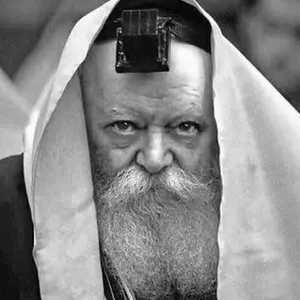
Regarding the conduct of our Rebbeim, the Nesi'im — the Rebbe writes19 [in free translation]: 'And in the manner that is brought in the Pri Eitz Chaim — and there are those who indeed conduct themselves so in practice, that on Friday they taste from the Shabbos foods, as it says "Those who taste it merit life." By my revered father-in-law the Rebbe I did not see this conduct in physical terms20, but this conduct in spiritual terms certainly must be present, and not only on Friday but all week long'.
Therefore, in practice we have not seen by our Rebbeim, the Nesi'im, the conduct of actually tasting from all the Shabbos dishes on Erev Shabbos21.
--------------
Notes:
1 וראה כתבי הרח"א ביחובסקי ע' רנד. לקו"ש ח"כ ע' 173 הערה 13. והגם שלא נמצא מקור לזה בתלמוד הבבלי, והירושלמי שלפנינו, אך להעיר ממ"ש בתורת חיים (סופר) הל' שבת סי' רנ ס"ב שיש לזה רמז במשנה במסכת סוכה (כו, ב): 'מעשה והביאו לו לריב"ז לטעום את התבשיל', עיי"ש. וראה מ"ש בנימוקי או"ח סי' רנ עמ"ש בזוהר ח"א מח, ב ↩
2 סי' קצא ↩
3 ענין שבת סי' פב ↩
4 או"ח סי' רפו ↩
5 סי' לז ↩
6 סי' תח ↩
7 מסכת שבת פרק נר מצוה ↩
8 ע' שכט ↩
9 ח"א דיני ערב שבת סי' תקעו ↩
10 ענין טבילת ער"ש ↩
11 שער יח פ"ג ↩
12 או"ח סי' רנ ס"ק א ↩
13 וראה בפמ"ג שם: 'ולידע אם צריך מלח ותבלין' ↩
14 שו"ע שם ס"ח ↩
15 וראה פסק"ת אות ז הערה 40 שאדמו"ר הזקן שינה מלשון המג"א שכתב 'וצריך' ↩
16 ח"ב סדר התנהגות ער"ש ↩
17 נסמן בהערה 1 ↩
18 וראה מ"ש בדרכי הלכה (שמרלר) הוספות לסי' רנ ע' עז מדברי בעל האדמו"ר מצאנז בעל הדברי יציב ↩
19 לקו"ש ח"ב ע' 475 ↩
20 וכן מובא לגבי הנהגת הרבי - ראה מעשה מלך ע' 125. אורחות מנחם שב"ק ע' יט ↩
21 וראה בכ"ז בחקרי מנהגים ב סי' נא ↩
From the 'Shoneh Halacha' project — daily halacha with reasons and sources
Link to the (silent) group: 'Shoneh Halacha - Chabad Minhogim'
Join the WhatsApp group