
Shemurah Matzah
[1] (halacha 231)
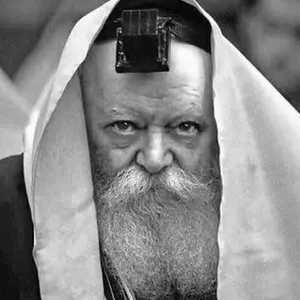
The Rebbe, at the farbrengen of Shabbos Parshas HaChodesh 57141 said: 'What I wish to say is this, for I am requesting — and were the ability mine, I would command that the minhag be instituted anew, that the rabbonim should send matzos for the mitzvah to their balebatim. And these words are addressed not only to a rav, but to anyone who is a person of influence, a rav or a shochet, one who serves in holiness or a shamash — if he but has someone who, were matzos to be sent to him for the seder, would use at the seder the matzos sent to him, let them please do this: let them send him matzos, specifically round ones, and specifically hand-baked matzos, and specifically shmurah matzah, and through this hundreds and perhaps even thousands of Jews will fulfill the mitzvah of eating matzah according to halacha and with hidur. In places where it is customary to hold communal sedorim (such as hotels and the like) — it is self-evident that those who arrange the sedorim should do this.
Thus we see from the holy words of the Rebbe that it is of concern that every Jew should have [at least a kzayis2] of shmurah matzah, hand-made and round.
Question: How important is it that the mitzvah of eating matzah be fulfilled specifically with hand-made matzah?
Answer: This can be learned from a response of the Rebbe3 to one who asked whether he may give his young grandchildren machine matzos on Pesach: 'Regarding gebrokts or other hidurim — one may be lenient, but not regarding machine matzos, for matzah's essence is faith (the food of faith — michla d'mehemnusa), and one must work on this already from childhood. Regarding the matter of faith that is effected through eating matzah, it is brought in Chassidus that this is along the lines of the saying of our Sages 'the infant does not know how to call out "Father" etc. until he tastes the taste of grain.' And it is obvious that the intent in this is not machine matzos!
That is to say4, machine matzah is not the matzah of michla d'mehemnusa!
Question: What is the matter of specifically round matzah?
Answer: The Mahari Assad5 wrote three reasons why the minhag is to be particular about round matzos: 'And these, when I am on my own, I said regarding the reason for the minhag of Israel to make the matzos round to this day: 1) For behold, the verse states in the Torah "ויאפו את הבצק וכו' עגת מצות וכו'" ("And they baked the dough etc. cakes of matzos etc.") .. for the meaning of "ugos" (cakes) is on account of roundness (igul) .. and therefore it was not for naught that the Torah informed us that they baked the dough into round cakes of matzos — for what passed has passed, but so that we should know for the future in all the coming generations that thus the matzos should be made truly resembling the matzos that were baked then, also in their form, which were round.'
2) And another reason appears to me based on the Midrash "He sated me with bitter herbs on the nights of Pesach, he gave me wormwood to drink on the nights of Tisha B'Av" — for Tisha B'Av is set on the nights of Pesach, and this is alluded to in the order of the alef-beis through "א"ת ב"ש ג"ר" etc.: just as the first day of Pesach falls, so falls the day of Tisha B'Av. And for this reason it became customary also to eat eggs on the nights of Pesach, which is a food of mourning, a remembrance to mourn over the Churban .. and Rashi at the beginning of Parshas Toldos wrote that lentils and eggs are food of mourning because they are round and have no mouth, and likewise mourning is a wheel that revolves in the world, and is silent (domem), see there. And this too is the reason that the matzos are round.'
3) And there is yet a third in it .. for it was possible in that time that the custom of the Egyptians was to make their loaves square or triangular, according to the multiplicity of deities they believed in, as Rabbeinu Saadia wrote .. and in order to distance themselves from the abominable customs of the Egyptians, in this too Israel did the opposite of them: they made their loaves specifically round, which indicates oneness — like the circle, which has no end and no beginning.'
4) An additional reason was written in Shu"t Avnei Cheifetz6: 'And as is written in the sefer Toldos Adam, p. 44, in the name of the sefer Nechmad V'Naim, that the round shape is precious in the eyes of Hashem, as we see that Hashem made the heavens and the heaven of heavens and all the stars of light in the form of a circle, and likewise the earth was made in the round shape, and also all its offspring and all the works of creation were all created in the round shape or close to it .. and elsewhere I reasoned that on account of this it is also customary to make the matzos for Pesach round, because the form of the circle is most esteemed by the Omnipresent, for so the Holy One Blessed Be He created the sun and all the host of heaven in a round form, therefore the matzos too are made in this form.'
5) Rav Yosef of Seratzk wrote7: 'And it would appear that the reason for their roundness is on account of being a remembrance of the redemption, which is the ingathering in a circle, and see the sefer Netzach Yisrael (ch. 1) .. therefore they are round.'
Notes:
1 הוגה ונדפס בלקו"ש ח"א ע' 243, ובקצרה בספר המנהגים ע' 37 ↩
2 כפי שהרבי כתב (אג"ק חי"ג ע' יא. ולהעיר גם מחי"ב ע' שמג): 'בכ"ז בהנוגע להסדרים, הרי השיעור הוא עכ"פ כזית'. ובשיחת יא ניסן תשל"ד שלכל יהודי יהי' עכ"פ הכזיתים של הסדרים ↩
3 י"ג ניסן, ה'תשי"א. תו"מ ח"ג ע' 7 ↩
4 לכאורה דברים אלו מיוסדים בנגלה עפ"י דברי הגאון הראגצובי במכתב שנדפס בהגדת המבאר שמציין אליה הרבי בשיחה בהערה 19. וראה באריכות בקונטרס 'ושמרתם את המצות'. ואכמ"ל ↩
5 שו"ת יהודה יעלה או"ח סי' קנז ↩
6 סי' לד אות ד ↩
7 בקונטרס שנדפס יחד עם חוקת הפסח שבשו"ת מנחת משה סי' טו אות כה ↩
From the 'Shoneh Halacha' project — a daily halacha with reasons and sources
Link to the (silent) group: 'Shoneh Halacha — Chabad Minhogim'
Join the WhatsApp groupHandmade Matzah
[א] (halacha 232)
In the previous halacha (number 231) we saw that the Rebbe requested that matzah be distributed which is: 1) round. 2) handmade. 3) shmurah, and we saw what the need is for round matzah.
Question: What is the significance of handmade matzah?
Answer: It is stated in the Torah1 'ושמרתם את המצות' ("And you shall guard the matzos"), and from this Chazal in Maseches Pesachim2 (38a) derived: 'Rabbah said: For the verse states "And you shall guard the matzos" - matzah that is guarded for the sake of matzah'.
And Rashi explained: 'And you shall guard the matzos. Perform for it a guarding for the sake of matzah - every guarding by which you guard it that it should not become chametz, intend it for the sake of the matzah of the mitzvah'.
★ ★ ★
The parameters of this guarding are well explained in the words of the Alter Rebbe, Shulchan Aruch siman 453 se'if 14, and these are his words: 'A person does not fulfill his obligation except with matzah that a Jew guarded from becoming chametz for the sake of Pesach, for it is stated "And you shall guard the matzos" - that a Jew should guard it for the sake of the mitzvah of matzah; and there are those who say for the sake of the mitzvah of "in the evening you shall eat matzos"; and there are those who say for the sake of the mitzvah of "seven days you shall eat matzos" - that is, that if he guarded it for the sake of matzah to eat it during the seven days of Pesach he fulfills his obligation with it, and so is the essential ruling'.
And in se'if 15: 'And what is this guarding that is stated in the Torah? It is when one sees it close to coming to the point of becoming chametz, he should guard it and take pains with it that it should not become chametz, such as from the beginning of its kneading and onward, when water has already come upon it and it is close to becoming chametz if he does not hurry to occupy himself with it by hand in its kneading, its shaping, and its baking; a Jew of understanding must occupy himself with these tasks for the sake of matzah, but not a non-Jew, and not a deaf-mute, an imbecile, or a minor, as will be explained in siman 4603.
[In siman 460 se'if 1 the Alter Rebbe brought two opinions on this matter, and these are his words: 'But if a non-Jew, or a deaf-mute, an imbecile, or a minor occupied himself in one of these tasks - that is, a deaf-mute who does not hear and does not speak, or an imbecile who loses what is given to him, or a minor who has not yet grown two hairs - even if an adult Jew of understanding stands over them and teaches them and warns them to occupy themselves with it for the sake of Pesach, a person does not fulfill his obligation with it, because the non-Jew does not heed the voice of the Jew who warns him and he acts on his own intent and does not intend for the sake of Pesach; and a deaf-mute, an imbecile, and a minor have no understanding to intend for the sake of Pesach, and even if they explicitly say that they intend for the sake of Pesach, their intention and their thought count for nothing, since they have no understanding.
And there are those who dispute this and say that if an adult Jew of understanding stands and supervises them so that the dough should not become chametz in their hands - even though they do not intend for the sake of Pesach - for there is no need at all that the intention of the kneading be for the sake of Pesach, but rather that the guarding from becoming chametz from the kneading and onward be for the sake of Pesach, as was explained in siman 453; and here a Jew of understanding indeed stands over them and supervises the dough in their hands and guards it from becoming chametz for the sake of Pesach.
And the essential ruling is like the first view.
Nevertheless, in a time of pressing need where it is impossible in another manner, such as an elderly or sick person who is unable to knead and bake himself and he is among non-Jews and there is no Jew there, one may rely on the latter view; and nevertheless it is proper that he teach and warn the non-Jew to occupy himself with it for the sake of Pesach, and that he too assist a little in its kneading, for then the non-Jew acts according to the intent of the Jew who assists him and not according to his own intent, as was explained in siman 11, see there; and if it is possible for him to find a Jew - even a deaf-mute, an imbecile, or a minor - it is better that they do it, for they heed his voice and act according to his intent, than that it be done by a non-Jew who does not heed his voice'].
Summary of the words of the Alter Rebbe: One fulfills the obligation from the Torah only with matzah guarded from becoming chametz for the purpose of eating it during the seven days of Pesach. Guarding means the occupation of an adult Jew with the dough by hand from the stage of kneading, when water was placed in the flour, and likewise in the shaping of the matzah, and until the completion of the baking, in order to prevent it from becoming chametz, [in a time of pressing need one may rely on the views that it is sufficient to ensure that it is not chametz, and this is effective when a non-Jew bakes the matzos but a Jew stands over him, provided that he warns the non-Jew to do it for the sake of Pesach and likewise endeavors to assist him a little in the kneading].
This point stood at the heart of the dispute regarding the baking of matzos by machine: the rabbis who forbade machine matzos argued that machine matzos lack this entire law of intention for its own sake, since a machine cannot intend, and such is the view of the Rebbeim, the Nesi'im; and therefore one must distribute to people at least a kezayis of handmade matzah, as per the Rebbe's request.
Notes:
1 שמות יב, יז ↩
2 לח, א ↩
3 אך סיים אדמו"ר הזקן שם בסעי' ט"ז שמנהג ישראל להתחיל לשמור מחמץ כבר משעת הטחינה אך שמירה זו מטרתה רק לוודא שאין כאן חמץ ולכן את הטחינה עצמה יכול לבצע גוי שיהודי מסתכל עליו ↩
Matzah Shemurah — The Definition of Guarding
[1] (Halacha 233)
Matzah Shemurah
Question: What is meant by matzah shemurah?
Answer: We saw in the previous halacha, from the words of the Alter Rebbe, the obligation of guarding from the beginning of the kneading. This is the essence of the guarding that the Torah commanded1 (Shemos 12:17), "ושמרתם את המצות" ("And you shall guard the matzos"), and as a matter of halacha this guarding must be done through the act of kneading literally by hand; therefore we are particular about handmade matzos.
But in addition to this there is a further hiddur (enhancement) that pertains to the matzos of the Seder night, as follows:
The Alter Rebbe wrote in siman 453, se'if 15, that according to the essential law: "Before water comes upon it, that is, before the kneading, a Jew is not required to guard the grain or the flour so that water should not come upon them; rather, any grain that comes before us, and we do not see any concern of leavening, is permitted to be ground for Pesach. And likewise any flour that comes before us, and we do not see in it any concern of leavening, is permitted to be kneaded from it even for the matzah of the mitzvah; and we do not suspect that perhaps this flour came from produce upon which water fell and which became leavened, for we do not establish a prohibition out of doubt, as will be explained in siman 467."
But in se'if 16 he wrote that the custom became to enhance and to guard the matzos already from the time of the grinding, and these are his words: "And all this is according to the essential law, but already all Israel have adopted the custom to guard the wheat of the matzah of the mitzvah from the time of grinding onward, because then they are close to coming to leavening, for they bring them close to the water when they bring them to the water mill to grind, and also when they grind in a hand mill it is customary during the rest of the days of the year to wash the wheat before grinding it, and they are close to coming to leavening; therefore a Jew must guard them from leavening at the time of the grinding. But the grinding itself is permitted even through a non-Jew, such as in a hand mill, only that a Jew of understanding should stand over it from the beginning of the grinding until its end, but not a deaf-mute, an imbecile, or a minor; and the same applies when they grind in a water mill: a deaf-mute, an imbecile, or a minor should not guard there, but rather an adult Jew who has reached the obligation of the mitzvos."
And in se'if 19 he wrote that the custom became to be more stringent in the guarding of the matzos of the mitzvah: "But the wheat of the matzah of the mitzvah, it is good to be stringent, if possible, to guard them from the time of harvesting onward, so that water should not fall upon them, because some say that by rabbinic law a person does not fulfill his obligation on Pesach except with matzah that a Jew guarded from leavening from the beginning of the time when it was fit to come to leavening, that is, immediately upon the plucking of the stalks from that which is attached, for then, if water were to fall upon them, they would become leavened (but while they are still attached they do not come to leavening if they require the ground, as was explained in siman 467)."
Thus there is a further hiddur, that the "matzos of the mitzvah" — that is, the matzos with which we fulfill the mitzvah of eating matzah on the Seder night — should be from flour guarded from the time of harvesting, so that already from the moment of harvesting they are guarded lest water fall upon the wheat and it become leavened.
★ ★ ★
Question: Why, regarding the kneading of the matzah, must it be done specifically by a Jew, whereas regarding the grinding, according to the opinion of the Alter Rebbe2 it is permitted for a non-Jew to grind the flour and the Jew only guards it so that it does not become leavened?
Answer: The great rav, the chassidic rav, Rav Eliezer Erlazarov (head of the beis din of the city of Romen, in a letter from the year 5660)3 wrote: "And let us return to the words of the Alter Rebbe, of blessed memory, who wrote, 'And what is the guarding stated in the Torah,' etc., see there, for he explained well in these two se'ifim that the guarding of the dough from when water came upon it is the guarding of the engagement and the effort, for without engagement it would become leavened, and this is the guarding stated in the Torah. Therefore, according to this opinion (that is to say, to exclude the opinion of Rav Hai Gaon), it is specifically required that the one who is engaged and exerts effort, who does not allow it to become leavened, should have intention — for he himself is the guard, and not a guard on the outside (like the guarding of cucumbers), where 'in vain does the watchman keep watch,' for without engagement it must become leavened. And the guarding is a positive guarding, namely in the guarding of kneading; but the guarding of the grinding in a water mill and the like — the matter of the guarding is not a positive guarding, but rather only a negative guarding, that water should not come upon them and that they should not be soaked; and for this guarding, certainly it is not specifically the grinder who is the guard, but rather anyone who stands and guards that water should not come upon them and that they should not be soaked. And if he is a Jew, certainly it is a superior guarding, and his intention is for the sake of the matzah. And this is simple. And I truly do not understand the difficulty the Acharonim, of blessed memory, took in this4."
That is to say, since from the time of the mixing of the water with the flour it is the act of kneading and rolling out that prevent the leavening, therefore these must be done by a Jew for the sake of the matzah; whereas in the harvesting and the grinding the guarding is only to ensure that there is no contact with water from outside, and this is accomplished even without the act of the harvesting and the grinding themselves.
Therefore, in practice, according to the words of the Rebbe, one should give Jews the merit to fulfill the mitzvah of eating matzah on the Seder night with round, handmade, shemurah matzos.
Notes:
1 שמות יב, יז ↩
2 שפסק כט"ז סי' תס ס"ק א. אך יש שהחמירו גם בטחינה שתיעשה ע"י היהודי ראה בביאור הלכה סי' תס ד"ה אין לשין ובהנסמן בו ↩
3 נדפס מכת"י בקובץ יגדיל תורה - ירושלים חוברת יז ע' 61 ואילך ↩
4 וראה גם החתם סופר בהגהותיו על או"ח סימן ת"ס ↩