
Mentioning Hashem's Name When Learning Tefillah and Brochos
[A] (Halacha 309)
Question: When a person is studying in the Gemara or in halachic works the laws of a bracha, may he say the bracha with Hashem's Name?
Rav Nachshon Gaon wrote1: 'וכי תימא מאי טעמא לא קאמר בין במתניתין ובין בבריאתא ובין בגמרא ברוך אתה י"י דהתם רימזא בעלמא הוא דכיון דגמרא הוא לאו שעת מעשה הוא או אמר ברוך אתה י"י הוה ליה כמוציא שם שמים לבטלה' ("And should you say, what is the reason it does not state — whether in the Mishnah, in the Baraisa, or in the Gemara — 'Baruch Atah Hashem'? Because there it is merely an allusion, for since it is Gemara it is not the time of the act; and were he to say 'Baruch Atah Hashem' it would be as one who utters Hashem's Name in vain").
And in the Tashbetz Katan2 it is brought: 'That our master the Maharam of Rothenburg, when he would study in the Talmud, was careful to say "Hashem" in place of the mentions of the four-letter Name, end quote3'.
And so wrote the Magen Avraham4: 'But an adult, when he studies the brochos in the Gemara, says them without mentioning the Name, and so it is implied in the Rambam's Commentary on the Mishnah in Perek HaRoeh and in Tosafos at the beginning of Perek HaRoeh'.
And the Machatzis HaShekel explained there: 'And so it is implied etc. of the Rambam etc. and in Tosafos at the beginning of Perek HaRoeh. That is to say, that we learned in the Mishnah: One who sees a place where miracles were performed for Israel says "Blessed is He who performed miracles for our fathers in this place." And Tosafos wrote as follows: Rabbeinu Shemaya explained that all these brochos require the mention of the Name and Kingship, "Baruch Atah Hashem Elokeinu Melech HaOlam" etc., end quote. And so wrote the Rambam in the Commentary on the Mishnah. And if so, one may ask on Rabbi, the compiler of the Mishnah, why did he not mention in all these brochos the Name and Kingship, and left room for error? Rather, perforce, that at the time of one's study it is forbidden for an adult to mention the Name; and therefore also Rabbi, who arranged the Mishnayos for study, did not mention it, so that they should not come to mention the Name at the time of their study'5.
On the other hand, in Shu"t She'ilas Yaavetz6 he wrote: 'Furthermore I say that even if mentions of the Name happened to be in the formula of brochos brought in the Talmud — such as the end of Pesachim, "So Hashem our God bring us to the appointed times etc." — it appears to me that he mentions the Name in the way he reads it in the Torah. For he must learn the bracha in its proper form, so that its wording is fluent on his tongue in its proper form, so that if he comes to fulfill his obligation with it he should not deviate from the formula of brochos. And even though the Magen Avraham wrote in siman 215 that an adult who studies the brochos in Sha"s says them without mentioning the Name — but his proof from the Rambam's Commentary on the Mishnah and Tosafos of Perek HaRoeh is not so much of a proof. For there the matter is well known that any bracha that lacks the Name and Kingship is not a bracha; therefore the Tanna (or the writer and copier) was brief and relied on what is known to all, that all brochos begin with the Name. But in a place where the Name is mentioned in the middle of the wording, in a long formula, where not everyone knows that one must mention the Name of Hashem, one certainly must learn it in its proper form, in the manner they said regarding the children incidentally when they are dismissed... but when he studies the formula of brochos in the way of his study in the Mishnah and the Talmud, he certainly must review them with their mentions of the Name as above. And this needs no proof'7.
And the Birkei Yosef wrote8: 'And if there is a mention in the middle of the formula of a bracha written in Sha"s, he may say it — She'ilas Yaavetz siman 81. But his words are not compelling. And the custom of the elder rabbis in Eretz HaTzvi is not to mention the Name in the way it is read'.
If so, we have seen that in the opinion of most of the poskim9 when one studies brochos brought in the Talmud and in halachic works it is forbidden to say the Name of Hashem in the course of study, and it appears that this is also the opinion of the Alter Rebbe10.
[And to note from the custom to say Kiddush Levana after the end of its time from the Gemara and the like, with the Name and Kingship, which ostensibly does not fit with our present halacha which forbids saying brochos of the Talmud with the Name and Kingship]11.
With Hashem's help, in tomorrow's halacha we will discuss whether one who studies to learn to say brochos is permitted to say Hashem's Name.
Notes:
1 אוצר הגאונים למסכת ברכות סימן שנ"ב. 2סימן תי"ט (סי' תכא במהדורת מכון י-ם) ↩
2 וראה בהערה ח במהדורת מכון י-ם שם שיש שלמדו בדברי המהר"ם שהיה נזהר רק בברכות, ולא כאשר התלמוד מביא מילים מפסוקים. ונדון בזה בהלכה הבאה ↩
3 סי' רטו ס"ק ה הביאו הא"ר שם ס"ק ד ↩
4 ובדבריו אלו כיוון מדעתו לדברי רב נחשון גאון שהובאו לעיל ↩
5 ח"א סי' פא ↩
6 וראה גם בחוות דעת יו"ד סי' קי בדיני ס"ס אות כ: 'דאדעתא דנדבה מותר לברך ולהודות אפילו בהזכרת שמו יתברך, כמו שמותר בי"ח ברכות להתפלל בתורת נדבה, ואדעתא דחוב אסור אפילו בלא הזכרת שמו .. ומטעם זה נראה לי לדון זכות על האומרים במעמדות ובקשות ברוך אתה ה', דדוקא דרך חוב אסור, דהא חזינן דהרבה פיוטים וזמירות נתייסדו ונתקנו בלשון ברכה והודאה בהזכרת שמו, ומה הפרש יש בין ברוך ה' ובין ברוך אתה ה'' ↩
7 בסי' רטו ס"ק ד ↩
8 וראה גם הנסמן בשו"ת יחוה דעת ח"ג סי' יג, וכ"כ בסיכום דבריו: 'אבל במטבע הברכות שבתלמוד אין לומר שם ה' כקריאתו, אלא יאמר השם, וכן יאמר אלוקים או אלוקינו בקו"ף' ↩
9 סי' רטו ס"ב שאין לגדול המתלמד לומר הברכה כתקונה. והגם שיש לחלק בין קריאת אזכרות המובאים בענין הנלמד - לבין המתלמד לומר הברכה שאסור. אך מ"מ לגבי ברכות לכאו' יש להחמיר ועוד שהטעם שהביא היעב"ץ להתיר הוא שיהא נוסחה רגיל על לשונו כתקנו, ואדה"ז סובר שלא מתיר לו אפילו כשבא להתלמד ↩
10 כפי שהעיר בליקוט דיני ומנהגי ר"ח - חב"ד פי"ב דין ח הערה 26. וראה מה ששקו"ט בשו"ת יביע אומר ח"ו סי' לג. ובאגורה באהלך ח"ב סי' טז ↩
[B] (Halacha 310)
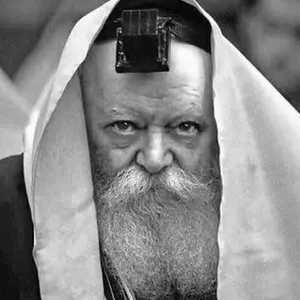
In honor of the holy day of Gimmel Tammuz - The halacha deals with points connected to two of the Rebbe's holy campaigns: the campaign of educating the children of Israel and the tefillin campaign, which can be learned from the Rebbe's words in the Igros Kodesh.
Question: A minor who does not know how to make a bracha — is it permitted to educate him and teach him how to say brochos and to mention the Name and Kingship in the course of it1?
Answer: The Gemara in Maseches Brochos2 discusses answering Amen after the brochos of a minor: 'To answer Amen after the schoolchildren? - He said to him: After everyone one answers Amen, except for the schoolchildren, since they do it in order to learn. And this is when it is not the time of their dismissal, but at the time of their dismissal — one answers'.
And Rashi wrote, s.v. "after the children": 'When they learn brochos from the mouth of their teacher.' S.v. "since they do it in order to learn": 'That they do not intend to bless but to learn'.
From the words of the Gemara we see that the children say brochos, in order to learn to say brochos, even when they are not currently obligated in the bracha.
And so wrote the Rambam3: 'The children are taught the brochos in their proper form, and even though they are making a blessing in vain at the time of study, this is permitted'.
And so ruled the Mechaber4: 'That it is permitted to teach children the brochos in their proper form, and even though they are making a blessing in vain at the time of study'.
And these are the words of the Alter Rebbe5: 'That it is permitted to teach a child the brochos in their proper form even not in their proper time, and even though they are in vain at the time of study, even though it is forbidden to an adult who studies'.
And the Rebbe explains6 the reason that the one who teaches the minors is permitted to say it in order to teach them: 'In the Gemara and Tur, Shulchan Aruch there it is explained that it is permitted to utter and to teach in instruction to minors; it is proven from this that from the side of the teacher there is no prohibition in this7, and the reason is because it is the way of study, and on the contrary, he is performing a mitzvah, "and teach them diligently to your children"'8.
If so, it is permitted for the teacher and the minors to study brochos and, in the course of studying the bracha, to say Hashem's Name.
Question: What is the law regarding an adult who does not know how to make a bracha — is it permitted to teach him the bracha with the mention of Hashem's Name in order to learn? And at the time of performing the mitzvah, such as when putting on tefillin with a Jew who does not know the bracha, is it possible to say it to him word by word so that he learns the bracha?
Answer: Regarding an adult who studies the brochos, the Alter Rebbe wrote there: 'That it is forbidden to an adult who studies'9 to say the bracha with Hashem's Name.
And the Rebbe explains there the reason: 'And it may be said that the Alter Rebbe's basis is from what the Gemara there says "children" and not "students" in general, and the reason for this may be said: since it is possible to teach him at the time of obligation, one should not do this — at least Rabbinically — at the time of exemption; whereas a minor, at all times he is exempt. And although one answers Amen after the brachos of a minor even though one does not answer at the time they learn them, the reason for this is because of chinuch, and in chinuch the father, who is obligated to educate, and the minor, who is the one being educated, are partners; but this is no reason to permit thereby a stranger, upon whom his education does not rest, to utter Hashem's Name, and therefore there is no distinction in this between the time the minor is being educated or not — and since it was permitted, it was permitted also to the father. So it may be said, though it is somewhat forced'.
If so, according to the words of the Alter Rebbe and the Rebbe's explanation, it is forbidden for an adult to say brochos with Hashem's Name in order to learn not at the time of obligation10.
Whereas at the time of obligation it is possible to say the bracha even to an adult word by word, and he repeats and says after him, and thus he learns the bracha11; one can learn from this12 that also in the 'tefillin campaign,' when the person cannot read the bracha by himself, it is permitted to read it out and he repeats after him word by word, so that in this way too the person learns the bracha.
And to note from the words of the Kaf HaChaim13: 'And if they know how to say the Names by themselves, then he says to them the first letter of the Name and they complete it by themselves; and so he does for adults if they do not know how to make a bracha'.
And likewise, in a case where it is possible to show them the wording of the bracha from the siddur, and they know how to read by themselves, it is forbidden to say the bracha with them; rather he shows them the bracha in the siddur and only the one putting on the tefillin makes the bracha14.
Notes:
1 בדין ברכת קטן ישנם ב' אופנים: 1) קטן שנמצא בזמן ומצב שמצריך לומר ברכה, כגון לפני אכילה, או קיום מצוה כמו נטילת לולב וכדומה. [שאז ודאי מברך עם שם ה' כחלק מחובת החינוך, וכן גדול יכול לברך (אפילו ברכת הנהנין גם כשאינו נהנה) עבור קטן - 'כדי לחנכן במצוות' ראה שו"ע ואדה"ז סי קסז ססוכ"ג]. 2)קטן הנמצא בזמן או מצב שאינו צריך לומר כעת ברכות, ואעפ"כ אנו מעוניינים ללמדו נוסח הברכות, כלומר לומר ברכה אבל מטרתה לצורך לימוד הברכה. בהלכה זו אנו עוסקים באופן השני! האם גם מותר להזכיר שם ה' תוך כדי לימוד הברכה. וראה להלן הערה 8 ↩
2 נג, ב ↩
3 הל' ברכות פ"א הט"ו ↩
4 או"ח סי' רטו ס"ג ↩
5 או"ח סי' רטו ס"ב ↩
6 אג"ק ח"ג ע' קלז ↩
7 וראה משנ"ב או"ח סי' רטו ס"ק יד: 'ואפילו הרב יכול להזכיר השם כדי ללמד להתינוק הברכות שהרי ע"כ אנו צריכים ללמוד עמהם כדי לחנכם בלימוד התורה ובקיום המצות (וכמו דכתיב ולמדתם אותם את בניכם וגו'). ולהעיר מאשל אברהם (בוטשאטש) סי' קסז שהחמיר במקום שאפשר וכתב: 'והרי יש עצה נכונה להקרות לקטנים כל המלות וללמדם שיאמרו שמות הק' בעצמם על ידי רמז או התחלת אות אחד מהשמות, וכן אני נוהג ומנהיג להשומעים ממני, אך מצד שלרבים אי אפשר להנהוג כן לטרדתם ומהירותם, לזה מותר לומר גם כל הברכה, ומכל מקום יותר טוב כנ"ל'. וכ"כ בכף החיים רטו ס"ק חי שם: 'משמע שגם המלמד יכול להוציא השם מפיו בשעה שמלמד הברכות וכ"מ מדברי הלבוש ומ"מ אם אפשר יש ליזהר. וראה גם מה שכתב בסי' קסז אות קכט הובא להלן ↩
8 ונראה מדברי הרבי שכאן הוא יותר מחינוך שהוא דרבנן, אלא מצווה עושה של ושננתם לבניך ↩
9 ובלשון הרבי במכתב: 'שינה רבנו הזקן בלשונו הזהב מלשון המג"א וש"ע או"ח סרט"ו סק"ה שהמג"א כתב ד"גדול בשעה שלומד הברכות בגמרא" אינו אומר, אבל רבינו כתב שם (ס"ב) ש"אסור לגדול המתלמד" היינו שלומד הברכות' ↩
10 וזה לא כדברי הגרש"ז אוריבאך בהליכות שלמה כללי ברכות אות ח. ושכ"כ גם בפשטות בפסקי תשובות סי' רטו אות ט ↩
11 כדברי אדמו"ר הזקן או"ח סי' תפד ס"ד: 'ואם הם אינן יודעין לברך ברכת המזון יקרא הוא עמהם כל ברכת המזון מלה במלה ואינו כמברך לבטלה כיון שהן עונין אחריו כל מלה ומלה והרי הוא כמקרא את הקטן ומלמדו ברכת המזון אחר אכילתו'. וראה גם בפמ"ג שם משב"ז ס"ק ג ↩
12 וראה קובץ הערות וביאורים ירושלים ח"ג בסופו ↩
13 סי' קסז אות קכט ↩
14 ראה בקובץ שם ע' רד בשם הגרש"ז אויערבאך ↩
[C] (Halacha 311)
Introduction: Before we discuss saying Hashem's Name while studying in the reciting of pesukim, we will deal today, in this halacha, with the very halachic possibility of saying half-pesukim, and in the halacha that follows we will deal with the question of when it is permitted to mention Hashem's Name when reciting pesukim in the course of study.
The Gemara in Maseches Megillah1 and Taanis2 says: 'And it was taught: One who reads in the Torah should not read fewer than three pesukim! And it was stated upon this: Rav said: he skips, and Shmuel said: he splits. Rav said he skips — what is the reason he did not say he splits? He holds: any pasuk that Moshe did not split, we do not split it. And Shmuel said: we split it. - But Rabbi Chanina Kara said: I had great distress with Rabbi Chanina the Great, and he did not permit me to split except for the schoolchildren, since they do it in order to learn! - There, what is the reason? - Because it is not possible; here too — it is not possible'.
From the words of the Gemara we learn that it is forbidden to split and to divide a complete pasuk, both at the time of the reading of the Torah, and when teaching others the reciting of the pesukim.
This Gemara was brought as halacha in the Shulchan Aruch of the Alter Rebbe3 regarding the reading of the Ten Commandments on Shavuos, where he explains why there is a keri and a kesiv: 'And the second is arranged according to the keri, that regarding the reading, from "לא תרצח" until "לא תחמוד" is only a single pasuk — that is, that it is forbidden to interrupt one's reading entirely in the middle of this pasuk, even when reading individually, for all the divisions of the pesukim are a halacha to Moshe from Sinai, and it is forbidden to interrupt in a place where Moshe did not split for us from Sinai; and since it is forbidden to interrupt the reading entirely in the middle of these four small portions, therefore also when they are read at one time they are read with the cantillation that joins them, to make of all of them a single pasuk, as they are in truth a single pasuk, for we have in the entire Torah no pasuk of fewer than three words'.
[And indeed there is one who wrote4 that because of the prohibition to say half a pasuk, a person who says a complete pasuk that contains Hashem's Name — if he does not say Hashem's Name but changes it, then consequently it will not be a complete pasuk and enters into the concern of reading half a pasuk].
Only that this matter requires examination: we find in the poskim5 that they discussed at length how it is that we say many times in the tefillos and the like half-pesukim6, and they wrote various explanations on this7, and one needs to understand why they did not ask on the Gemara itself, for in the Gemara we find many times mentions of half-pesukim, as it is right at the beginning of Sha"s at the start of Maseches Brochos — the Gemara there mentions two half-pesukim: 'Where does the Tanna stand that he teaches "from when"? .. The Tanna stands on a pasuk, as it is written8 "בשכבך ובקומך" ("when you lie down and when you rise up"), and thus he teaches: the time of reading Shema of lying down — from when? From the time the Kohanim enter to eat of their terumah. And if you wish, say: he derives it from the creation of the world, as it is written9 "ויהי ערב ויהי בקר יום אחד" ("and it was evening and it was morning, one day")'. And how does this reconcile with the rule that one does not divide pesukim?
However, it appears that this was obvious to the Gemara and the poskim, that this rule does not apply when studying the Oral Torah, where poskim are brought and expounded and explained; rather only in the reading of the Torah or in the study of the reading of the pesukim, as the Shu"t Torah Lishmah wrote10: 'Whenever one mentions the pasuk in the manner of supplications and tefillah, or mentions it in the manner of his study in the Oral Torah, he may change it, and there is no problem with it, whether in the pesukim of the Torah or in the pesukim of Neviim and Kesuvim'11.
If so, the entire prohibition to mention half-pesukim does not exist at the time of studying the expositions of the pesukim and examining their commentaries.
In the next halacha, we will discuss whether it is permitted to mention the Name of Hashem when one says, in the manner of study, a pasuk or half a pasuk.
Notes:
1 כב, א ↩
2 כז, ב ↩
3 או"ח סי' תצד סי"א ↩
4 ראה שו"ת אג"מ או"ח ח"ב סי' נו ↩
5 נלקטו בסידור אדמו"ר הזקן - רסקין במילואים סי' יד ע' תרפה ואילך. מנהג אבותינו בידינו (שבת, נישואין, שונות) פכ"א ע' שפו ואילך ↩
6 ראה בספרים הנ"ל רשימה מכל המקומות בהם אומרים חצאי פסוקים ↩
7 בעז"ה יובא בהלכה בפני עצמה ↩
8 דברים פ"ו פ"ז ↩
9 בראשית פ"א פ"ה ↩
10 סי' מד ↩
11 וראה שו"ת האלף לך שלמה או"ח סי' מג. שו"ת זכר יוסף או"ח סי' לח. ברכת אהרן עמ"ס ברכות סי' קח. שיח השדה עמ"ס ברכות דף יב, ב. מכתב מאליהו (להבן איש חי, הוצאת אהבת שלום) שאלה מט בהערות בין הרים אות ה בסופו. (גם מביאורי הראשונים והאחרונים בנושא איזכור חצאי פוסקים בתפילות ניתן להבין נקודה זו שבלימוד דרשות הפסוקים וכו' אין חשש) ↩
[D] (Halacha 312)
Question: A person studying Torah, and in the middle there are pesukim that contain a holy Name — is he permitted to say the Names or not?
Answer: The Gemara in Maseches Brochos1 discusses the study permitted to a baal keri (when there was a prohibition to study): 'Rabbi Nasan ben Avishalom says: he may even set out the Gemara, provided that he does not say the mentions of the Name that are in it'. [=And Rashi explained: 'the mentions of the Name, that are in the verses being expounded'].
From this Gemara it is implied that only the baal keri, because of his impurity, is forbidden to say the mentions of the Name, but any other pure person studying Torah may say the Name of Hashem in the course of his study2.
Only that we have found in the Tashbetz Katan3 who writes concerning his teacher the Maharam of Rothenburg: 'And he does not read the Name of four letters in the Talmud, but rather "Hashem"4'.
And the Chacham Tzvi wrote on this5: 'The law of mentioning Hashem's Name in the pesukim of the Torah that come in the Talmud, which the Tashbetz wrote that the Maharam would refrain from mentioning with his mouth — a proof against him from Brochos (22a) "provided that he does not read the mentions of the Name." And further, from what we say "interwoven in Scripture" according to the opinion of Rabbeinu Tam z"l (in Kiddushin 30a s.v. "lo"), and further from what is found in Shevuos (36a) "Rav Kahana etc., he said to him: substitute etc."'.
And so wrote his son the Yaavetz in his name6: 'You asked me, my son, whether it is permitted to read the mentions of the Name in the pesukim brought in the Talmud. Answer: Even though we have seen young schoolteachers who are particular in this, and hold that there is in it a concern of "You shall not take the Name of Hashem in vain" — certainly it is an error in their hands, and we have not seen the elder rabbis being particular in this. And indeed the opposite is what I remember from when I was a lad. And I would study Gemara before my father, the Gaon z"l; when I would reach the pesukim and read the Name with a substitute — as I heard from my teacher — he would rebuke those who read this way, and instructed us to read the Name as one reads in the Torah. And he brought a proof to the matter from what is found — as we said in B"K — that according to one Tanna he sets out the Gemara, provided that he does not mention the mentions of the Name that are in it. This explicitly proves that it is specifically for a baal keri that it is forbidden according to that opinion, but for every other person, no; and perforce he must read them in their proper form. And all the more so nowadays, for us, that a baal keri reads and studies as usual, and we do not rule like that opinion which is stringent in it — it is obvious that every person is permitted...'.
And indeed we learned7 that the Yaavetz permitted saying Hashem's Name even in studying the wording of the brochos, and in this many disagreed with him; but nevertheless in this matter of mentioning Hashem's Name in the pesukim and their expositions they too permitted, as the Pri Megadim wrote in the Eishel Avraham there: 'But when one studies pesukim in the Talmud and expounds them, he may say them as they are written, with the mention of the Name'.
And so it appears from the Birkei Yosef, who in the discussion8 concerning saying Hashem's Name in studying brochos was stringent, and nevertheless wrote9: 'When one reads in Sha"s and in the rest of the words of Chazal, and included in their words are Scriptural verses that come up, he reads the mentions of the Name in his usual way in Scripture, as they are read. The Rav She'ilas Yaavetz in the aforementioned responsum in the name of the Gaon his father, may his memory be for a blessing'10.
In the Sefer HaMinhagim11 it is brought: 'A notation of the Rebbe שליט"א: And it is understood that one must distinguish between the reading of the mentions of the Name that come in the subject being studied — and one who studies the formula of the brochos, which the Alter Rebbe forbade in his Shulchan Aruch (OC siman 215 se'if 2). And see Birkei Yosef there. And this is not the place'. From this notation it appears that the Rebbe agrees with the words of the Birkei Yosef.
If so, we have seen that there are many poskim who wrote that in study one may say Hashem's Name.
But there are poskim who held like the words of the Tashbetz in the name of the aforementioned Maharam, and were careful not to say Hashem's Name even in study, and see the Ikarei HaDa"t12 who wrote: 'Consequently it is implied that as for what is obvious to him, that one who studies in Sha"s ought to mention Hashem's Name — in my humble opinion it is obvious to me that one who is concerned for the reasoning of the Maharsha and the Rav Magen Avraham, who himself also brought proofs for his reasoning, is not mistaken... Moreover, in conjunction, with the addition of the reasoning of the aforementioned Tashbetz, whose lips clearly spoke that one should not read Hashem's Name when reading in Sha"s — and if so, you have no better beis din than these to rely upon even not in a time of pressing need, and let it be no more than a doubt in the law...'.
We find that we have learned that the poskim are divided as to whether it is proper to mention the Name of Hashem in the course of saying the pesukim brought in the Talmud, and it appears that the main opinion is like those who permit.
However, tomorrow we will see: a. What the custom is in practice. b. And whether there is in this a difference between a complete pasuk and half-pesukim, and further details in this matter.
Notes:
1 כב, א ↩
2 וראה דברי הט"ז תרכא ס"ק ב כתב שממהרי"ץ גיאת (הלכות יו"כ ע' פו - פז): 'אפשר ללמוד דכל הקורא פסוק יוכל לומר השם באדנו"ת כמו שאומר בתפלה' ↩
3 סימן תיט. וראה גם מהרש"א סנהדרין קד, א ד"ה ואמר ה' לא קראו ↩
4 ראה במהדורת ירושלים שכתבו שדבריו רק על ברכות שבתלמוד, אך לא ברור מקורם. וראה גם בדברי החכם צבי דלקמן שנראה שהבין שדבריו הם על פסוקים ולא רק על ברכות שבתלמוד ↩
5 ליקוטי תשובות סימן קכז אות יא ↩
6 בשו"ת שאילת יעבץ ח"א סי' פא ↩
7 בהלכה מס' 309 ↩
8 בס"ק ד ↩
9 בס"ק ה ↩
10 וכ"כ המשנ"ב או"ח סי' רט"ו ס"ק י"ד, שו"ת אגרות משה או"ח ח"ב סימן נו, שו"ת יחוה דעת ח"ג סי' יג. ילקוט יוסף נטילת ידים וברכות סי' רטו דין י ↩
11 ע' 27 ↩
12 סי' ה אות כא ↩
[E] (Halacha 313)
We learned that the opinions are divided as to whether it is permitted to say Hashem's Name when encountering pesukim in the course of study.
Question: Does the discussion regarding mentioning the Name of Hashem during study change depending on whether it is in saying a complete pasuk or half a pasuk?
Answer: Indeed there are Acharonim who innovated and distinguished that in a complete pasuk one should say it with the Name of Hashem, but when it is half a pasuk one should not say it with the Name of Hashem.
So wrote the Taharas HaMayim1, and from his words it appears that he distinguished that if one reads in the manner of reading the pasuk he may say it with Hashem's Name, whereas when he says half a pasuk this is the manner of study, and then it is forbidden to say it with Hashem's Name (for the leniency in saying half a pasuk, despite the prohibition to divide a pasuk, is because it is the manner of study, and therefore there is no leniency to say Hashem's Name)2.
And to note that in the Rebbe's sicha on the night of Simchas Torah 57443 he mentioned that when one says a complete pasuk one may say it with Hashem's Name, and on this basis he said Birkas Kohanim with the mention of Hashem's Name. [But there it is not in the manner of study and the like, but the reading of pesukim].
But from the plain meaning of the words of some of those who permit, who permitted saying Hashem's Name in the course of study and the like, it appears that some permitted in any manner where one says Hashem's Name in the manner of study, both when one mentions half-pesukim and mentioning in the manner of study4.
As the Chayei Adam wrote5: 'It appears to me that it is permitted to say half a pasuk even though he mentions the Name; and therefore if he read and erred in the melody and the cantillation, it is permitted to read it again even though he does not repeat the whole pasuk, since it is to complete the pasuk. But to say half a pasuk in the manner of reading a pasuk, even without mentioning the Name, is forbidden, for any pasuk that Moshe did not split in the Torah we do not split, and the same applies in Neviim and Kesuvim'.
And so ruled in Shu"t Yechaveh Daas6: 'One who studies Talmud or the midrashim of Chazal and the holy Zohar, and reaches a pasuk that contains a mention of Hashem, should mention Hashem as it is read, and there is also a mitzvah in it. And the same law applies to one who expounds in public and mentions pesukim in his exposition — he may say Hashem as it is read, and should not substitute by saying "Hashem." And even if he does not say the whole pasuk but only part of it, he may mention the Name of Hashem, or Elokim'.
And likewise regarding our custom that in saying the Kegavna (in the tefillah of Kabbalas Shabbos) we say the Name of Hashem, as brought in the Sefer HaMinhagim7, it is brought there from: A notation of the Rebbe שליט"א: And it is understood that one must distinguish between the reading of the mentions of the Name that come in the subject being studied — and one who studies the formula of the brochos, which the Alter Rebbe forbade in his Shulchan Aruch (OC siman 215 se'if 2). And see Birkei Yosef there. And this is not the place'.
And on the other hand, according to the opinions that were accustomed to be stringent about saying Hashem's Name in the course of study, there are those who were stringent in any manner even when one says a complete pasuk8.
As the Aruch HaShulchan wrote9: 'But the adult in his study should not say the Name explicitly, but rather he says "Hashem," and likewise he says "Elokeinu"; and likewise those who expound in public and mention a pasuk that contains Names should not pronounce the Name explicitly, but rather say "Hashem." And even though there are those who permit, it is proper to distance oneself from this, and so we practice'.
And so we see in the Rebbe's conduct in the sichos and maamarim, in the quoting of pesukim without the mention of Hashem's Name.
If so, the opinions are divided: there are those who permit in study to mention Hashem's Name even when it is not a complete pasuk, and there are those who are stringent even in a complete pasuk. And it appears that our custom is that a priori it is proper to be stringent not to say Hashem's Name in the course of study at all, even when quoting a complete pasuk10.
Notes:
1 מערכת הה' אות פו ↩
2 וראה גם שו"ת באר משה (שטרן) ח"ג סי' מא ↩
3 ראה תו"מ תשד"מ ח"א עמ' 317 ועמ' 368 ↩
4 ראה בשו"ת שאילת יעבץ ח"א סי' פא שהביא שיש אומרים (הובאו גם בשוע"ר סי' קיד סעי' יא) שאפילו כדי לקבוע רגילות לענין משיב הרוח ומוריד הגשם התירו לומר שם השם: 'וראיה ג"כ מאותה שהביאו הפוסקים ז"ל בסי' קי"ד לצאת מידי ספק אם הזכיר גשם בתחיית המתים, שיש תקנה לדבר אם יאמר הברכה צ' פעמים שחזקה כהרגלו הוא אומר, ועל כרחו צריך שלא ישנה הזכרת השם, שאל"כ נחוש שיבוא להזכירו גם בתפלה בשינוי. מאחר שהורגל בכך וסירכיה נקיט ודאי, אף על גב צריך לאומרו כתקנו כדרך שאומר בתפלה. ומ"מ זו קשה בעיני שנתיר לומר הברכה צ' פעמים לבטלה מחשש שכחה, דשוכח קרוב להיות פושע, ולא דמי לומד מתחלתו, וצ"ע') ↩
5 ח"א כלל ה אות ג ↩
6 ח"ג סי' יג בסיכום התשובה ↩
7 עמ' 27 ↩
8 וראה בטהרת המים (מערכת הה' אות פו) שדבריו דלעיל לחלק בין פסוק לחצי הוא כעין פשרה בין האוסרים ↩
9 או"ח סי' רטו ס"ב ↩
10 ואולי ניתן לומר שזה דווקא בדרך לימוד וכדומה, אך כאשר זה נוסח קבוע אולי סומכים על הנ''ל לומר שם ה', ולכן כנ"ל נקט הרבי לומר בכגוונא, וכמו"כ בקריאת הגדה של פסח המנהג לומר עם שם השם גם בפירושי הפסוקים כשלא מצוטט פסוק שלם. ואולי עפי"ז גם בפסוקים המובאים בפרקי אבות וכדומה יש לומר שם ה' (ולהעיר שבסידור אדה"ז גם בדפו"ר יש ניקוד על השמות הק' ונראה מכך שיש לאמרם). אך ראה בהתקשרות שמועה שהרבי אמר שבפרקי אבות אין לומר שם ה' כשאינו פסוק שלם. ומאידך שיש שכתבו שם שאולי פרקי אבות הוא כתפילה ולכן יש לומר ↩
[F] (Halacha 314)
We learned about the prohibition of Hashem's Name and about the stringencies not to mention His blessed Name during study.
Question: Which substitute is it proper to mention when studying a pasuk that contains a mention of one of the holy Names?
Answer: There are several forms of substitute that are customarily said when studying:
Hashem:
The substitute 'Hashem' is ostensibly founded on the pasuk1: 'ליראה את השם הנכבד והנורא הזה את י"י אלוהיך' ("to fear this honored and awesome Name, Hashem your God")2.
And likewise we find in the language of Chazal in several Mishnayos that they use the word "Hashem" as a substitute for the Holy One blessed be He, such as in Brochos3: 'הושע השם את עמך' ("Save, Hashem, Your people").
Adushem:
We find in the works of the poskim that the way of the common people was to say, in place of the Name of Hashem, 'Adushem,' and there are poskim who related to this negatively, as the Taz wrote4: 'And furthermore one can learn from the things mentioned here that in a place where we do not wish to mention the Name of Lordship, one should say "Hashem," and not as the masses say "Adushem," for this is not the way of honor of Above; rather one should say, in the language of the Tanna, "Hashem"'.
And similarly the Yosef Ometz wrote5: 'However, to mention the Names mentioned in the Gemara and the poskim, it appears to me that it is permitted, and it is a mitzvah to mention them explicitly at the time of study, and not to substitute "Adushem" and the like, for in my opinion it is not the way of honor toward Above to substitute, for the substitution for a person is a disgrace; and so I heard from the early ones'.
And it was brought as halacha in the Kitzur Shulchan Aruch6: 'When one wishes to mention "the Name," he says the word "Hashem," and not as the masses err and say "Adushem," for this is not the way of honor of Above'7.
On the other hand, we have found poskim who accepted this custom, and did not see in it a disgrace:
As the Shu"t Yefe Nof wrote8: 'I was asked concerning a lad who is being taught to pray in the beis haknesses, whether it is permitted to mention the four-letter Name with the Name of Lordship, as we mention the Name of Havayah, or whether one must substitute another substitute, as some chazzanim were accustomed — when teaching with the lads they substitute the Name of Havayah with another substitute, half of the Name of Lordship and half of the Name, that is, "Adu-shem" — whether there is any basis for this custom?
Answer: It appears that one need not be careful about this, and a proof from the Gemara Brochos... This explicitly implies that one may complete the brochos with the children in their proper form without any change; for if a change were required, how could it enter one's mind to bless after them, since anyone who changes from the formula of the bracha, one does not answer Amen after him... And it appears to me that those who are accustomed to be careful about the matter themselves stumble in introducing confusion into the children, and since it has entered, it has entered'.
Also in the Piskei Teshuvos9 he noted: 'However, one should not ignore that there were chassidim and men of deed who would mention it thus during their study and their expositions, and perhaps since many have trodden upon it, there is no longer in it any disgrace'.
And further, and this is the main point, that we have seen thus in the Rebbe's conduct many times in public, in saying the holy sichos, that in saying Hashem's Name, in place of saying "Hashem" he said "Adushem," and there is nothing after the king's word.
But of course one must be careful not to invent new substitutes that one is not accustomed to, so that it should not be as a disgrace, God forbid.
Notes:
1 כי תבא נ"ח, כ"ח ↩
2 כלומר מפשט הפסוק נראה שמילת השם היא כינוי להקב"ה, אך להעיר שהרמב"ם הלכות שבועות פי"ב הי"א, לומד מזה איסור אמירת שם ה' לבטלה ונראה שמבאר מילת השם כפשוטו לא ככינוי אליו ית' ↩
3 פ"ד מ"ד ↩
4 או"ח סי' תרכא ס"ק ב הובא בא"ר שם ס"ק י. ולהעיר שאדמו"ר הזקן בשו"ע וכן המשנ"ב לא הביאו את הט"ז ↩
5 ח"א סי' שמט ↩
6 סי' ו ס"ג ↩
7 בהערות לספר זכרונות אליהו מערכת א אות א כתב הרב יצחק ניסים: 'ומכאן תוכחת מגולה למה שנהגו בעיר מולדתי בגדאד החכמים ואנשי מעשה נזהרים בדבריהם שלא להזכיר ה' בשפת המדינה לשון ערבי לומר אללה אלא מחליפים הלמדים באות מ' ואומרים אמה ומדקדקים בזה המורים בבתי הת"ת וכו' כשמתרגמים פסוקי התנ"ך לבני הנעורים, וכמה רע ומר מנהג זה שאין דרך כבוד לכנות כן אפי' אדם לחבירו ועאכו"כ כלפי מעלה, ומשום איסור הזכרת ש"ש שהוא בכל לשון כמ"ש בתשובות הגאונים סי' קמ"ב ובפתח הדביר סי' צ"א וכ"כ הגהמ"ח בפנים אות ד' יש ליזהר לומר השם, ולא חלילה כמו שמהנדסים הם וגם שבנעורי הורגלתי כמותם, מיום עומרי ע"ד הנני נזהר וההי"ב' ↩
8 לרבי יצחק מזיא (בן דורו של הרמ"א) סי' לו ↩
9 סי' רטו הערה 58 ↩
From the 'Shoneh Halacha' project - a daily halacha with reasonings and sources
Link to the group (silent): 'Shoneh Halacha - Chabad Minhogim'
Join the WhatsApp group