
Mentioning other gods
[1] (halacha 322)
We learned1 that when there is no intent toward the Names of Hashem yisborach, there is no problem with writing all the letters even though they are exactly the letters of a holy Name. And so too is the matter when one intends other gods, that in principle it is permitted to write it with the letter ה' since one's intent is not toward Hashem. But in continuation of this we were asked as follows:
Question: Why have we seen that there are those who have the practice, even when mentioning other gods, to say it with the letter ק?
Answer: This minhag of saying and writing "elokim acheirim" (other gods) with a ק is very widespread, and as can be found in the holy seforim there are hundreds of citations of gedolei Yisroel who, even when they wrote about "others," wrote "elokim acheirim."
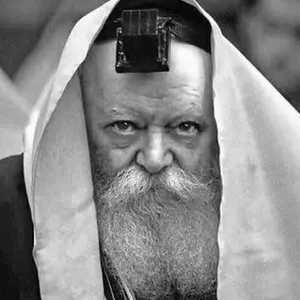
And what is the reason for this practice? In Likkutei Sichos2 a letter was printed in which the Rebbe was asked this question, and this is how the Rebbe answered: 'In response to his comment: It is customary among people to say "elokim acheirim" (with a kuf, even though it refers to idolatry). And perhaps it should be connected with the commentary of the Ramban on Devarim (21, 22) "Canaan etc." who was concerned etc.'
Explanation of the Rebbe's words: The Torah in parshas Ki Seitzei says that a person who was put to death by beis din [by stoning - as explained in Rashi there] is hung after the stoning on a tree, but the Torah commands: 'לֹא תָלִין נִבְלָתוֹ עַל הָעֵץ כִּי קָבוֹר תִּקְבְּרֶנּוּ בַּיּוֹם הַהוּא כִּי קִלְלַת אֱלֹהִים תָּלוּי וְלֹא תְטַמֵּא אֶת אַדְמָתְךָ אֲשֶׁר ה' אֱלֹהֶיךָ נֹתֵן לְךָ נַחֲלָה' ("His body shall not remain overnight on the tree, but you shall surely bury him on that day, for a hanging body is a curse of God, and you shall not defile your land which Hashem your God gives you as an inheritance"). And Rashi wrote: 'כי קללת אלהים תלוי — it is a degradation of the King, for man is made in the likeness of His image, and Israel are His children; a parable to two twin brothers who resembled one another, one became king and one was caught in banditry and was hanged — everyone who sees him says the king is hanged'.
And the Ramban wrote there: 'And from this prohibition Yehoshua buried the kings of Canaan on the same day, even though their hanging does not carry the curse that our Rabbis mentioned regarding a blasphemer and an idolater, but there was in them the matter of the defilement of the land, or that he was concerned about the curse of God from the parable of the two brothers, as I have explained'.
And seemingly the Rebbe's intent is that from the words of the Ramban we see that Yehoshua was careful not to leave the kings of Canaan hanging, even though this command was not said regarding gentiles, but only regarding the nation of Israel, and nevertheless Yehoshua was concerned about this, since ultimately the body of the gentile too was created as a likeness of Above, and if so, even though he is not the son of the King, yet from the aspect of the resemblance there can be a disgrace to Hashem that they would see them hanging.
And similarly with saying "elokim acheirim," that if in a case where it refers to idolatry we would say "elokim" with intent of disgrace, then since the name "elokim" is also a Name of Hashem – the matter could be perceived among people as if it is a degradation of the Holy One blessed be He.
If so, in practice the minhag of many of the gedolei Yisroel and also the practice of the Rebbe is to say "elokim acheirim" with a kuf and not with a hei.
Of related interest, attached is a recording from the 13th of Sivan 5738 in which one hears the Rebbe saying "elokim acheirim" as well as "elokei kesef" and "elokei zahav" (gods of silver and gods of gold).
Notes:
1 In halacha 320 ↩
2 Volume 24, p. 453 ↩
From the project 'Shoneh Halacha' - daily halacha with reasons and sources
Link to the group (silent): 'Shoneh Halacha - Chabad Minhogim'
Join the WhatsApp group