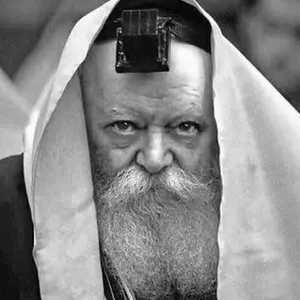

the intention (kavana) of "שמע ישראל" ("Hear, O Israel")
[1] (Halacha 326)
Following yesterday's halacha, we were asked as follows:
Question: We learned the words of several of the poskim that a general kavanah before tefillah is effective, except for the first verse of Krias Shema. What is the kavanah required in the first verse of Shema Yisrael?
Answer: The Gemara in Maseches Brochos1 says: 'The Rabbis taught: Shema Yisrael Hashem Elokeinu Hashem Echad - up to here requires kavanas halev, the words of Rabbi Meir. Rava said: The halacha is like Rabbi Meir'.
And the Rambam2 wrote: 'One who reads Shema and did not direct his heart in the first verse, which is Shema Yisrael, has not fulfilled his obligation. And the rest, if he did not direct his heart he has fulfilled, even if he was reading in the Torah as is his manner or proofreading these portions at the time of reading he has fulfilled, provided that he directed his heart in the first verse'.
And the Rashba3 wrote: 'For according to all opinions the first verse requires kavanah, even b'dieved, and even according to the one who says that mitzvos do not require kavanah - there, this is stated regarding kavanah to fulfill; but he requires kavanah of the matter, that is, that he should not think of other things, in order that he accept upon himself the yoke of Heaven with the assent of the heart, and similar to what they also said regarding the first bracha of tefillah at the end of the chapter Ein Omdin (34b); and the reason is that in other mitzvos, which are mitzvos of action, whoever performs its mitzvah, even though he did not intend it, has fulfilled the mitzvah of its performance, except that this is not the choicest way, and all the more so has he fulfilled if he intended to fulfill, even though he thought in the middle of the mitzvah; but these, which are acceptance of the Kingship or the ordering of praises, it is not proper that his heart turn to other things, and this is what they distinguished between the first bracha and the other brochos, or between the first verse and the rest, for if the matters depend on mitzvos - whether they require kavanah or do not require - what difference to me is the first bracha, what difference to me the other brochos, end quote'.
The Mechaber in the Shulchan Aruch4 ruled like the words of the Rambam and the Rashba, and this is his language: 'One who reads Shema and did not direct his heart in the first verse, which is Shema Yisrael, has not fulfilled his obligation. And the rest, if he did not direct his heart, even if he was reading in the Torah, or proofreading these portions at the time of Krias Shema, he has fulfilled, provided that he directed his heart in the first verse'. And he further wrote5: 'The essence of the kavanah is in the first verse; therefore if he read and did not direct his heart in the first verse, he has not fulfilled his obligation and repeats and reads. And even according to the one who says mitzvos do not require kavanah, he concedes here'.
And the Magen Avraham6 explained: 'Even though in se'if 4 he ruled that mitzvos require kavanah, that means that he should intend to fulfill; but kavanas halev, that he should set upon his heart what he is saying, is not required except in the first verse; see the Beis Yosef siman 63 se'if 4 in the name of the Rashba. And even though we say in the Gemara that one who reads to proofread has not fulfilled - that is when he is not reading properly, as the Talmidei Rabbeinu Yonah wrote; but one who reads properly has fulfilled, as it appears to me. And in the Kesef Mishneh, chapter 2, it is implied that he holds that even if he did not intend to fulfill, only in the first verse, he has fulfilled, and so the language of the Rambam implies'.
And in practice the Alter Rebbe7 wrote: 'All mitzvos require kavanah to fulfill the obligation in the performance of that mitzvah .. and Krias Shema is from the Torah and requires kavanah according to all opinions; and even according to those who say that even mitzvos of the Torah do not require kavanah, nevertheless in Krias Shema one requires kavanas halev, that he understand what he is saying with his mouth8. And they only said that it does not require kavanah regarding kavanah to fulfill the obligation, but he requires kavanah of the matter, that is, that he should not think of other things, in order that he accept the yoke of Heaven with the assent of the heart. And it is not similar to other mitzvos, which are mitzvos of action, and whoever performed its mitzvah, even though he did not intend it, has fulfilled the mitzvah of its performance, except that this is not the choicest way, and all the more so if he intended to fulfill, even though he thought in the middle of it of other things, he has fulfilled according to all opinions; but Krias Shema and tefillah, which are acceptance of the yoke of the Kingship of Heaven or the ordering of praises, it is not proper that his heart turn to other things.
And all this is in the first verse of Krias Shema, which is Shema Yisrael, which is the essence of the acceptance of the Kingship of Heaven, and likewise in the first bracha of tefillah. But from Ve'ahavta onward the kavanah is not indispensable b'dieved, and even if he was reading in the Torah or proofreading these portions at the time of Krias Shema he has fulfilled his obligation, even though he did not intend to fulfill his obligation, provided that he intended in the first verse (because the essence of Krias Shema is only the first verse alone, which is from the Torah, and the rest, which the Chachamim instituted, they did not require kavanah except l'chatchilah; but if he read the rest without kavanah he need not repeat and read, whether he read without kavanah to fulfill or without kavanah of the matter .. but according to those who say that from Ve'ahavta onward is also from the Torah, he requires kavanah to fulfill in all that is from the Torah; but kavanah of the matter suffices in the first verse according to all opinions, b'dieved)'9.
If so, we find that we have learned that in the first verse of Krias Shema [in addition to the kavanah to fulfill the obligation10] one requires kavanas halev, that he understand what he is saying with his mouth, that he should not think of other things, in order that he accept the Kingship of Heaven with the assent of the heart.
Notes:
1 יג, ב ↩
2 הל' ק"ש פ"ב ה"א ↩
3 ברכות שם ד"ה שמע ↩
4 או"ח סי' ס ס"ה ↩
5 סי' סג ס"ד ↩
6 סי' ס ס"ק ד ↩
7 סי' ס ס"ה ↩
8 ראה סי' סב ס"ב. סי' קפה ס"ב. ובארוכה בסי' צח בתחילתו ↩
9 וראה גם סי' סג ס"ה, וסי' קפה ס"ב ↩
10 ראה דברי אדה"ז הנ"ל שהעיקר כהאומרים שבמצוות דאורייתא צריך שיכוין, וראה גם בסוף הסעיף ה, ובקו"א ס"ק א. (אך להעיר ממ"ש הרי"ד סולובציק בשיעורים לזכר אבא מרי עמ' כט. ואכמ"ל) ↩
[2] (Halacha 327)
The study of this halacha is dedicated to the merit of the soldier in the IDF Freida bas Nechama Sarah on the occasion of her birthday
We learned that in the first verse of Krias Shema, in addition to the kavanah to fulfill the obligation, one requires - and it is indispensable even b'dieved - kavanas halev, that he understand what he is saying with his mouth, in order that he accept the Kingship of Heaven with the assent of the heart.
Question: What is the law regarding the rest of the portions - what kavanah is required l'chatchilah and what b'dieved?
Answer: The Tur1 wrote in the name of Rav Amram Gaon: 'And he should read it with awe and with kavanah. Rav Amram wrote: a person should treat Krias Shema, every time that he reads it, like a new protagma. The meaning of protagma is a proclamation written by the king to the citizens of his province, that Krias Shema is the protagma of the Holy One, blessed be He. And so it is in the Midrash (Vayikra Rabbah 27:6): Rabbi Berachya said: a king of flesh and blood sends his protagma to the province - what do they do? All the citizens of the province stand on their feet and bare their heads and read it with dread, with awe, with trembling and with quaking; but the Holy One, blessed be His Name, says to Israel: Read Krias Shema, My protagma - behold, I have not troubled you to read it standing, nor with bared head, but rather "when you walk on the way"; but with dread and with awe and with trembling and with quaking, at any rate, is required'.
And so the Mechaber ruled2: 'One should read Krias Shema with kavanah, with dread, with awe, with trembling and quaking'.
And in their words it was not specified what the definition of Krias Shema is and in which parts one is required to read with dread and awe, but this was specified in the words of the Alter Rebbe3 and this is his language: 'L'chatchilah one must be careful and read all three portions of Krias Shema with kavanah, with dread and with awe, with trembling and with quaking, in the manner that the citizens of the province read a protagma that the king sends them, that is, a proclamation of the king to the citizens of his province, that they stand on their feet and read them with dread and with awe and with trembling and with quaking; and Krias Shema is the protagma of the Holy One, blessed be He, to His people Israel; and the Holy One, blessed be He, did not trouble us to read it standing, but rather "when you walk on the way"; yet at any rate one must read it with dread and with awe. And it must be in his eyes like a new protagma that he never heard before, and this is what the verse says "which I command you today", that is, every day they should be new in your eyes, and not like one who already heard a certain matter many times, such that it is no longer as beloved to him as at first'.
If so, it is explained in the words of the Alter Rebbe that there is an obligation l'chatchilah to have kavanah in all the portions and not only in the first verse4.
However, all this is l'chatchilah, but b'dieved the kavanah in this is not indispensable except in the first verse, and as the Alter Rebbe wrote5: 'The essence of Krias Shema is only the first verse alone, which is from the Torah, and the rest, which the Chachamim instituted, they did not require kavanah except l'chatchilah .. but kavanah of the matter suffices in the first verse according to all opinions, b'dieved'.
And so he wrote in siman 636: 'Even though l'chatchilah one must have kavanah in all three portions, the essence of the kavanah is in the first verse, which is the acceptance of the Kingship of Heaven, and the same applies to Baruch Shem Kevod Malchuso Le'olam Va'ed, which is also acceptance of the Kingship of Heaven; but from Ve'ahavta onward it is language of command; therefore if he read Krias Shema and did not direct his heart in the first verse or in Baruch Shem Kevod Malchuso Le'olam Va'ed, he must repeat and read them, and even those who say that mitzvos do not require kavanah concede in this, that if he did not direct his heart he has not fulfilled his obligation from the Torah, as was explained in siman 60'.
If so, we have learned that although l'chatchilah one should have kavanah at the time of reading all three portions of Krias Shema, b'dieved the kavanah is indispensable only in the first verse.
Tomorrow, with Hashem's help, we will see what is included in the first verse.
Notes:
1 או"ח סי' סא ↩
2 סי' סא ס"א ↩
3 סי' סא סעיפים א-ב ↩
4 וחיוב זה אינו רק מחמת חשש שהוא מדאורייתא שכתב אדמו"ר הזקן בסי' נח ס"א: 'ובעל נפש יחמיר לעצמו בשל תורה בכל מה שנוגע למעשה בחילוקי סברות אלו כמו שיתבאר לפנינו', שהרי גם בפרשה שלישית שהיא ודאי מדרבנן צריך לכתחילה לכוון, אלא תקנת חכמים מלכתחילה היתה לכוון בכל הקריאת שמע. [וילע"ע מה מקורו של אדמו"ר הזקן לענין חיוב כוונה בכל הג' פרשיות. ולהעיר מהרמב"ם הל' ק"ש פ"א ה"ב: 'ומה הוא קורא שלשה פרשיות אלו הן: שמע והיה אם שמוע ויאמר, ומקדימין לקרות פרשת שמע מפני שיש בה יחוד השם ואהבתו ותלמודו שהוא העיקר הגדול שהכל תלוי בו, ואחריה והיה אם שמוע שיש בה צווי על (זכירת) שאר כל המצות, ואחר כך פרשת ציצית שגם היא יש בה צווי זכירת כל המצות'. וראה בשאגת אריה סי' ב: 'דהא דכתב הרמב"ם .. והא דמסיים וקריאת ג' פרשיות אלו על סדר זה היא הנקראת ק"ש היינו בלשון חכמים שתקנו לקרות את כל ג' פרשיות הללו והקדים זאת לאשמועי' שכל הדינים שכ' לקמן לענין ק"ש סתמ' שכל הג"פ בכלל זה'. אך להעיר מדבריו בטורי אבן ר"ה כח, ב] ↩
5 סי' ס ס"ה ↩
6 ס"ה ↩
[3] (Halacha 328)
Question: What is the law regarding kavanah when saying Baruch Shem Kevod Malchuso Le'olam Va'ed [and henceforth we will write it abbreviated as "Bashkamlu"]?
Answer: In Pesachim1 it says: 'Six things the people of Jericho did; regarding three of them they protested against them, and regarding three they did not protest against them. And these are those regarding which they did not protest .. and they would wrap the Shema ..'. And in the Gemara2: 'The Rabbis taught: How would they wrap the Shema? They would say Shema Yisrael Hashem Elokeinu Hashem Echad and would not pause, the words of Rabbi Meir. Rabbi Yehuda says: They would pause, but they would not say Bashkamlu'.
In explaining the words of the Gemara that they would not pause, we find two approaches among the Rishonim, stemming from a dispute and different textual versions in the Talmud Yerushalmi, as follows:
In the Yerushalmi3 it is stated: 'How would they wrap the Shema? Rav Acha said in the name of Rabbi Ze'ira in the name of Rabbi La: Shema Yisrael Hashem Elokeinu Hashem Echad, but they would not pause between word and word, the words of Rabbi Meir. Rabbi Yuda says: They would pause, but they would not say Bashkamlu. Rabbi Yosa said in the name of Rabbi Ze'ira in the name of Rabbi La: Shema Yisrael Hashem etc., but they would not pause between Echad and Baruch, the words of Rabbi Meir. Rabbi Yuda says: They would pause, but they would not say Bashkamlu'.
And based on this the Rokeach4 wrote: 'In the Pesikta, in the chapter Makom SheNahagu, it is implied that one must pause between Hashem Echad and Baruch Shem Kevod'.
However, Rashi in the Talmud Bavli explained: 'And they would not pause - between Echad and Ve'ahavta, even though one must prolong on Echad, and pause between the acceptance of the Kingship of Heaven and other matters, for each one accepts upon himself and says "He is One, our God" in the first verse, and the second verse is language of command'.
And the Tosafos Yom Tov wrote on the Mishnah there: 'And it appears that certainly Rashi explains from this Yerushalmi, and his version was "between Echad and Ve'ahavta" .. and at any rate in the Yerushalmi one should not delete the version [that is brought in our Yerushalmi - "between Echad and Baruch"], for it appears to me that the Rokeach's version was thus, for the Beis Yosef wrote in siman 81 that in his name one should pause between Echad and Baruch, and it appears to me that he wrote so based on the Yerushalmi'.
And the explanation of the dispute: behold, on the words of the Tur5 who wrote: 'And one must pause a little between Le'olam Va'ed and Ve'ahavta'.
The Beis Yosef wrote to explain: 'And Rabbeinu holds that since we see that one must pause between the acceptance of the Kingship of Heaven and other matters, for us who say Bashkamlu one must pause between it and Ve'ahavta, for Bashkamlu is part of the acceptance of the Kingship of Heaven; and the Rokeach, who wrote that one must pause between Hashem Echad and Baruch Shem, holds that Bashkamlu is not so much acceptance of the Kingship of Heaven as the first verse'.
If so, we have seen that the people of Jericho acted improperly in that they did not pause between Shema and Ve'ahavta, since one must pause between the acceptance of the Kingship of Heaven and other matters; and the Rishonim disputed whether the intent is to pause between Shema and Baruch Shem, or between Baruch Shem and Ve'ahavta; and the root of the dispute stems from the relationship to Baruch Shem, whether it is truly part of the acceptance of the yoke of the Kingship of Heaven or not.
And for the halacha the Mechaber6 wrote like Rashi: 'One must pause a little between Le'olam Va'ed and Ve'ahavta, in order to pause between the acceptance of the Kingship of Heaven and the other mitzvos'.
And ostensibly from the words of the Tur and the Mechaber the Levush7 learned a great principle8: 'And it appears to me that the first verse that was mentioned in this entire matter also includes with it Bashkamlu, which is also included in the acceptance of the yoke of the Kingship of Heaven and has the entire law of the first verse regarding this matter, so it appears to me'.
And the Rema in a gloss also added9 the Rokeach10: 'And one should pause a little between Echad and Baruch, for the essence of the acceptance of the Kingship of Heaven is the first verse'.
And in practice the Alter Rebbe wrote all this for the halacha:
a. The words of the Rokeach11: 'And even one who does not prolong on the Daled of Echad should pause a little between Echad and Baruch, for the essence of the acceptance of the Kingship of Heaven is in the first verse, and he should pause between it and other matters'.
b. The words of Rashi12: 'One must pause a little between Bashkamlu and Ve'ahavta in order to pause between the acceptance of the Kingship of Heaven and the other mitzvos, for Shema Yisrael and Bashkamlu is language of acceptance, that we accept His Godliness and His Kingship, and Ve'ahavta is language of command'.
c. The words of the Levush13: 'Even though l'chatchilah one must have kavanah in all three portions, the essence of the kavanah is in the first verse, which is the acceptance of the Kingship of Heaven, and the same applies to Bashkamlu, which is also acceptance of the Kingship of Heaven'.
If so, we find that we have learned that although Baruch Shem is not written in the Torah and it is not a continuation of the verse Shema Yisrael, nevertheless, since it too is acceptance of the yoke of the Kingship of Heaven, it carries the obligation of kavanah just like in the verse Shema Yisrael; but one must make a slight pause between Shema and Bashkamlu, and between Bashkamlu and Ve'ahavta.
In the next halacha we will learn the details of the law of one who forgets to have kavanah in the verse Baruch Shem.
Notes:
1 פ"ד מ"ח ↩
2 שם נו, א ↩
3 פסחים פ"ד ה"ט ↩
4 הל' ברכות סימן שכ ↩
5 סי' סא ↩
6 סי' סא סי"ד ↩
7 סי' סג ס"ה ↩
8 ראה צ"צ פסקי דינים שלט, ד: 'בש"ע שם סי"ד פסק הרב"י כהטור, והרמ"א פסק ג"כ כהרוקח. וגם הביא עוד פי' התוס' בר' מאיר. ונלע"ד מהטור והרב"י בש"ע סי"ד הנ"ל מוכרח כדעת הלבוש. והש"ג והב"ח צ"ל שאמרו ע"פ פי' הרוקח. ועי' בש"ע אאזמו"ר סי' הנ"ל סוף סעיף י"ג' ↩
9 לקמן נראה שמדברי אדה"ז (שהביא גם את הרוקח, וגם פסק - דלא כב"ח - אלא שהשוכח בשכמל"ו צריך לחזור) והצ"צ, נראה שמי שסובר שא"צ לחזור בהכרח סובר רק כרוקח. אך מאידך לא כל מי שס"ל שצריך לחזור, חולק על הרוקח ↩
10 ראה בשו"ע מהדורת מכון י-ם בהגהות והערות אות מד ↩
11 סי' סא ס"ז ↩
12 שם סי"ד ↩
13 סי' סג ס"ה ↩
[4] (Halacha 329)
We learned that the law of Baruch Shem is like the first verse of Krias Shema, that there is an obligation to have kavanah when saying it.
Question: What is the law b'dieved regarding one who did not have kavanah when saying Baruch Shem Kevod Malchuso?
Answer: The Levush1 wrote: 'And it appears to me that the first verse that was mentioned in this entire matter also includes with it Bashkamlu, which is also included in the acceptance of the yoke of the Kingship of Heaven and has the entire law of the first verse regarding this matter, so it appears to me'.
The Magen Avraham2 brought the Levush and wrote: 'And if he did not say Bashkamlu they do not make him repeat [Bach, Shlah], and the Levush wrote that even if he said it but did not say it with kavanah he must repeat, and so is implied at the beginning of siman 66'3.
And based on this the Alter Rebbe4 wrote regarding the saying of Bashkamlu: 'And if he did not say it at all they make him repeat'.
And in siman 635 he wrote: 'Even though l'chatchilah one must have kavanah in all three portions, the essence of the kavanah is in the first verse, which is the acceptance of the Kingship of Heaven, and the same applies to Bashkamlu, which is also acceptance of the Kingship of Heaven; but from Ve'ahavta onward it is language of command; therefore if he read Krias Shema and did not direct his heart in the first verse or in Baruch Shem Kevod Malchuso Le'olam Va'ed, he must repeat and read them, and even those who say that mitzvos do not require kavanah concede in this, that if he did not direct his heart he has not fulfilled his obligation from the Torah, as was explained in siman 60'.
If so, from the plain meaning of the words of the Alter Rebbe, the saying and the kavanah in Baruch Shem is indispensable, and if he did not say it or did not have kavanah he repeats.
However, several Acharonim (disagreed with the words of the Magen Avraham and the Alter Rebbe in the case where he did not say Bashkamlu at all, and wrote that one who forgot need not repeat; and regarding the words of the Levush that one who says Bashkamlu without kavanah must repeat) wrote that only when he has not begun saying Ve'ahavta do we say that he must repeat if he did not have kavanah. As the Aruch HaShulchan wrote6: 'And to me it appears that they do not disagree at all, for certainly if he did not say it and began the portion of Ve'ahavta they do not make him repeat, since it was not mentioned in the Torah, and even if he wishes to say it between chapter and chapter it has no relevance there, as is understood; and the Levush says that if he said it but did not say it with kavanah and has not yet begun Ve'ahavta he must repeat once more to say it with kavanah, and so it appears to me the essence of the law'. And in the same vein the Mishnah Berurah wrote7.
And the Gaon Rav Chaim Naeh8 followed after them and was in doubt whether to learn thus also in the Alter Rebbe regarding the case where he said Baruch Shem without kavanah, and wrote: 'And the Magen Avraham siman 61 sk 11 brought from the Levush in this language, that even if he said it but did not say it with kavanah he must repeat, end quote; it is explained that he equates "did not say it with kavanah" to "did not say it at all", and according to this even if he began Ve'ahavta he must return to the beginning; except that one may infer the opposite from the language of the Alter Rebbe in the aforementioned siman 61, that he ruled like the Levush but did not align his words with the aforementioned words of the Magen Avraham, but rather wrote "and if he did not say it at all9 they make him repeat", and did not mention "did not say it with kavanah", and also added the words "at all", which gives room to say that only when he did not say it at all do they make him repeat, and not when he said it without kavanah; for although he wrote in siman 63 that if he read it without kavanah he must repeat and read it, that is when he has not begun Ve'ahavta, but if he began Ve'ahavta they do not make him repeat .. and in practice it requires further study'.
But the plain meaning of the language of the Alter Rebbe10 is that the law of Bashkamlu is like the law of the first verse, and when he did not have kavanah when saying Baruch Shem he must repeat and say it even in the case where he already began to say Ve'ahavta.
Tomorrow we will learn to where one who forgot returns and how he continues.
Notes:
1 או"ח סי' סג ס"ה ↩
2 סי' סא ס"ק יא ↩
3 וביאר המחצית השקל: 'וכן משמע ריש סימן ס"ו. דהשוה שם לענין הפסקה בשכמל"ו לשמע ישראל'. וכ"פ אדמו"ר הזקן סי' סו ס"ב: 'כל מקום שמותר להפסיק באמצע הפרק מותר אפילו באמצע הפסוק חוץ מפסוק שמע ישראל שלא יפסיק בו כלל אם לא מפני מי שירא ממנו שמא יהרגנו והוא הדין לבשכמל"ו שגם הוא בכלל היחוד ומטעם זה אין להפסיק גם כן בין שמע ישראל לבשכמל"ו' ↩
4 סי' סא סי"ג ↩
5 ס"ה ↩
6 סי' סא סעיף ו וראה גם סי' סג ס"ו ↩
7 ביאור הלכה סימן סא ד"ה אחר וכו' וראה גם אגרות משה ח"ה סי' ה ↩
8 בדי השלחן סי' יט אות לח ↩
9 אך לכאורה כוונת אדמו"ר הזקן בדבריו 'כל עיקר' היא שאותו אדם לא אמר אפילו בלחש. וכמ"ש בשוע"ר מהדורת רא"א אות צז. וא"כ ליתא לדיוקו של הגר"ח נאה, וק"ל ↩
10 וכ"כ בספר שוע"ר על ק"ש עם עיונים וביאורים (דאוידוביץ) סי' סא אות ט, וסי' סג אות ו. ובשוע"ר מהדורת רא"א סי' סג בביאורים אות לז. וכן פסק למעשה גם בשו"ת יביע אומר ח"ו או"ח סי' ט, ובנו הר"ד יוסף בהלכה ברורה סי' סא בירור הלכה אות יד. ומהתימא על דברי הילקוט יוסף על סי' סא ס"ט שפסק שאינו חוזר ↩
[7] (Halacha 334)
We learned that just as there is an obligation and one must repeat when he did not have kavanah when saying the first verse - Shema Yisrael, so too regarding the saying of Baruch Shem, the opinion of the Alter Rebbe is that he must repeat if he did not have kavanah, even in the case where he already began saying Ve'ahavta.
Question: If so, when he forgot to have kavanah when saying Baruch Shem, how is it proper to repeat and say it? Since it is not a verse from the first portion of Krias Shema, may he say it separately?
Answer: The Gemara in Maseches Pesachim1 says regarding the saying of Bashkamlu: 'And we, what is the reason we say it? As Rabbi Shimon ben Lakish expounded, for Rabbi Shimon ben Lakish said: "And Yaakov called to his sons and said, Gather and I will tell you". Yaakov wished to reveal to his sons the End of Days, and the Shechinah departed from him. He said: Perhaps, God forbid, there is a flaw in my bed, like Avraham, from whom came forth Yishmael, and like my father Yitzchak, from whom came forth Esav. His sons said to him: Shema Yisrael Hashem Elokeinu Hashem Echad. They said: Just as in your heart there is only One, so in our hearts there is only One. At that moment Yaakov our father opened and said: Baruch Shem Kevod Malchuso Le'olam Va'ed. The Rabbis said: What shall we do? Shall we say it - Moshe Rabbeinu did not say it; shall we not say it - Yaakov said it. They instituted that they should say it silently. Rabbi Yitzchak said, they say in the school of Rabbi Ami: A parable to a princess who smelled the aroma of a spiced dish; if she says so - she has disgrace, if she does not say - she has distress. Her servants began to bring it to her silently. Rabbi Abahu said: They instituted that they should say it aloud, because of the grievance of the heretics. And in Nehardea, where there are no heretics - until now they say it silently'.
And in the Zohar, portion Terumah2, it is stated regarding Bashkamlu: 'At the moment that Israel unify the unification in this verse, in the secret of the 25 letters, which are Shema Yisrael Hashem Elokeinu Hashem Echad, and Bashkamlu, which are 24 letters, and each one directs his intention in them, all the letters join together as one and ascend in one union of the 49 gates, in the secret of the Yovel; and then one must ascend up to and no further, and then the gates are opened, and the Holy One, blessed be He, reckons for that person as though he fulfilled the entire Torah, which comes in 49 faces; and therefore one must direct the heart and the will in the 25 and in the 24 and raise them with the will of the heart to the 49 gates that we mentioned. Since he has directed his intention in this, he shall direct his intention in that unification of which the Master said, Shema Yisrael and Bashkamlu is the general principle of the entire Torah'.
And this is the language of the Alter Rebbe3: 'And this is why we pause between Echad and Ve'ahavta at Bashkamlu, even though Moshe did not say it but rather Yaakov, as is known, and the people of Jericho would wrap the Shema without pausing at Bashkamlu; but the halacha is not like them, because the essence of the aspect of the drawing down of the glory of Hashem, "I will reign", from the Essence of the Ein Sof is in his saying Bashkamlu, and this is through Yaakov specifically, since it is stated "Yaakov is the portion of His inheritance", who is truly a portion of Hashem, as in the statement "Israel arose in the [Divine] thought" plainly, that is, in the general thought that was "He and His Name alone" before the tzimtzum, which contracts Himself to have a will and thought in revelation, "I will reign", as above; and therefore they have the ability to draw down from there to be a revelation of the concealment. And this is what is said, Shema Yisrael Hashem Elokeinu - "Yisrael" specifically for this reason; and for this reason Yaakov specifically said Bashkamlu (and as is written in the Zohar, Moshe from within, Yaakov from without, for Moshe is in the aspect of Daas and Yaakov is in the aspect of Tiferes, where he arouses the aspect of the Kingship, which is the union of Tiferes and Malchus)'.
From the words of the Gemara and the Zohar we learn that Bashkamlu is a direct continuation and completion of the saying of Shema Yisrael.
And see also the words of the Beis Yosef4: 'That Bashkamlu is part of the acceptance of the Kingship of Heaven'.
And as also appears from the words of the Alter Rebbe5: 'The verse Shema Yisrael, that he should not pause in it at all .. and the same applies to Baruch Shem Kevod Malchuso Le'olam Va'ed, which is also part of the unification, and for this reason one should also not pause between Shema Yisrael and Baruch Shem Kevod Malchuso Le'olam Va'ed'.
And ostensibly, according to this, when he forgot to have kavanah when saying Baruch Shem and must repeat and say it once more, he must also repeat the saying of Shema Yisrael6.
And perhaps one may say that this is the intent of the words of the Alter Rebbe7: 'If he read Krias Shema and did not direct his heart in the first verse or in Baruch Shem Kevod Malchuso Le'olam Va'ed, he must repeat and read them'. That is, he must repeat and say both of them, both Shema and Bashkamlu8.
And so wrote the Gaon Rav Chaim Naeh9: 'And reason dictates that he must return to Shema for several reasons: a. As Yaakov our father, may he rest in peace, said it after Shema, for on account of this they instituted to say Baruch Shem; b. to juxtapose the matters of the acceptance of the yoke of Heaven to one another without a pause, as the Alter Rebbe ruled in siman 66 that one should not pause between Shema and Baruch Shem'.
If so, in practice, if he did not have kavanah when saying Baruch Shem, such that he must repeat and read it, he must say again also the verse Shema Yisrael.
Notes:
1 נו, א ↩
2 קלט, ב וכ"ה בזח"ג רסד, ב ↩
3 סה"מ תקסט ע' רד ↩
4 סי' סא, ועד"ז דברי הלבוש. סי' סג סק"ה. וראה באריכות הלכה 328 ↩
5 סי' סו ס"ב ↩
6 וראה גם בשו"ת אגרות משה או"ח ח"ה סי' ה שתמה על המשנ"ב בסימן סא [שכפי שצויין בהלכה 329 פוסק כערוה"ש, הסובר] שאם כבר קרא ק"ש אך שדילג בשכמל"ו אין צריך לחזור עבור זה, וכתב בביאור הלכה: 'רק יאמר אותו במקום שנזכר ואפשר דג"ז אין צריך מצד הדין', ותמה עליו האג"מ: 'אבל לאומרו במקום אחר לא שייך. ותמוה מה שבביאור הלכה בסופו, כתב שיאמר במקום שנזכר, שלא שייך כלל במקום אחר'. וראה אור ההלכה ביאורים בשו"ע אדה"ז (דוידוביץ) סי' סג חידושים אות ו ↩
7 שו"ע סי' סג ס"ה ↩
8 וכ"כ בשוע"ר עם הערות הרא"א אות לא ↩
9 בדה"ש סי' יט סקל"ח ↩
[8] (Halacha 335)
Question: A person who in the morning before tefillah read Krias Shema without its brochos, and had kavanah in it as required. And afterwards during tefillah when he again read Krias Shema, with its brochos, he forgot and did not have kavanah in the verse Shema Yisrael - must he repeat and read Krias Shema?
Answer: In order to explain this question, we must first preface and explain whether, for the halacha, one who reads Krias Shema before tefillah without the brochos has fulfilled his obligation completely, as follows:
The Mechaber1 wrote: 'If one read Krias Shema without a bracha he has fulfilled his obligation of Krias Shema and repeats and reads the brochos without Krias Shema, and it appears to me that it is better to repeat and read Krias Shema with the brochos'.
And the Magen Avraham2 wrote: 'And even if he did not read them at all he has fulfilled the obligation of Krias Shema; see siman 58 se'if 6'.
And the Machatzis HaShekel explained: 'In truth the Beis Yosef wrote in this language: and it is implied from their words that according to the one who says [Brochos 11b] that the brochos are indispensable to one another, that is, that if he said only one bracha etc. and even the one that he recited he has not fulfilled, the same applies also if he reads Krias Shema without its brochos - even the obligation of Krias Shema he has not fulfilled; and according to the one who says that the brochos are not indispensable to one another, if he read Krias Shema without its brochos he has at any rate fulfilled the obligation of Krias Shema, end quote. And since we hold that the brochos are indispensable to one another, except that the order of the brochos is not indispensable, as is stated in se'if 3, if so, even the obligation of Krias Shema as instituted he has not fulfilled; and perforce one must say that what the Magen Avraham wrote, that he fulfilled the obligation of Krias Shema, means from the Torah, but the obligation of Krias Shema as instituted he has in truth not fulfilled'.
And based on this the Responsa Chelek Levi3 wrote: 'And if so, in our case, although he already read Krias Shema without its brochos, since the obligation of Krias Shema as instituted he has not fulfilled, and at any rate rabbinically he is obligated to repeat and read Krias Shema with its brochos, it consequently stands to reason that if he did not direct his heart in the first verse he must repeat and read; for in what he read of Krias Shema before tefillah he fulfilled only from the Torah, and the obligation of Krias Shema rabbinically still rests upon him; and it does not stand to reason to distinguish and say that only in Krias Shema of the Torah has he not fulfilled when he did not have kavanah in the first verse, and not in Krias Shema of rabbinic origin, for presumably the Rabbis instituted like the Torah .. but regarding kavanas halev, that he set upon his heart to accept the yoke of the Kingship of Heaven, we do not find that there is a distinction between when he is obligated from the Torah or rabbinically ..'.
Except that in the Pri Megadim4 he wrote that the intent of the Mechaber and the Magen Avraham is not that there is a deficiency in the saying of Krias Shema, but rather, on the contrary, he has fulfilled his obligation completely, and for another reason he must repeat and read: 'And therefore the Magen Avraham said, do not err to say so in the Mechaber, that what he wrote "and repeats" and reads the brochos is a conditional word - it is not so, but rather it is a matter in itself that he must read them, for one repeats only for the Krias Shema, which was also instituted on its own account, (see Beis Yosef siman 46 d.h. "and wrote", and so is implied in Brochos 12a "when he reached Yotzer Or he said", and see Be'er HaGolah os 4), but the obligation of Krias Shema he fulfills even if he did not say them at all'.
And so other Acharonim wrote that this is the plain meaning of the words of the Mechaber5 and the Magen Avraham6, that he has fulfilled the obligation even rabbinically. And they wrote7 that this is also the implication of the words of the Alter Rebbe, who wrote8: 'The brochos are not indispensable to Krias Shema, for if he read it without its brochos he has fulfilled the obligation of Krias Shema and repeats and reads the brochos without Krias Shema, for the brochos of Krias Shema are not like the brochos of other mitzvos, which one recites only prior to their performance, for he does not recite "who sanctified us with His commandments and commanded us to read the Shema", as was explained in siman 59; and even so it is better9 to repeat and read Krias Shema with the brochos; and if he did not repeat and read neither the Krias Shema nor the brochos he has fulfilled the obligation of Krias Shema, whether an individual who did so or a congregation'.
And if so, according to the explanation of the Acharonim that he truly fulfilled his obligation in his reading before tefillah, then the repetition of Krias Shema with the brochos is not in order to fulfill the obligation of Krias Shema.
Therefore, in practice, one who read Krias Shema in the morning without the brochos of Krias Shema - and had kavanah as required in the verse Shema and in Bashkamlu, and afterwards when he read Krias Shema with the brochos he forgot to have kavanah - is not obligated to repeat in order to have kavanah, since he already fulfilled the mitzvah in the Krias Shema that he said before tefillah10.
Notes:
1 או"ח סי' ס"ב ↩
2 ס"ק א ↩
3 או"ח סי' לג ↩
4 באשל אברהם ס"ק א ↩
5 והטעם שכתב המחבר שטוב לחזור ולקרות ק"ש עם הברכות, ראה א) בדברי חמודות ברכות פ"ב אות ב שכתב: 'וטעמו כדי שלא לשנות הסדר'. ב) בביאור הגר"א באות ו (הובא במשנ"ב ס"ק ד)כתב שזה כדי לעמוד בתפלה מתוך ד"ת'. ג) ראה בפרמ"ג שי"ל שהוא לחוש לדעת רב האי גאון שרק סדר הברכות לא מעכב, אך עצם הברכות כן מעכב. ולכן אם קרא ק"ש בלא הברכות לא יצא י"ח ק"ש כתיקנה. [וראה בביאור הלכה שתמה על דבריו, ומ"ש ליישב באור ההלכה (דוידוביץ) סי' ס חידושים אות ג (וראה ג"כ בהערות על חידושי הריטב"א הוצאת מוסה"ק דף יב, א הערה 444) ↩
6 ראה ביאור המגן אברהם בהליכות יוסף עזרא ח"ג ע' סג. וראה גם חקרי הלכות ח"ט ע' מ ↩
7 חקרי הלכות שם ↩
8 סי' ס ס"ב ↩
9 ולהעיר דבסי' נח ס"ח כתב אדמו"ר הזקן: 'ואם קרא בלא ברכותיה יחזור לקרותה בזמנה בברכותיה שאף שכבר יצא ידי חובת קריאת שמע לא הפסיד ברכותיה כמו שנתבאר בסימן ס''. ומהלשון נראה קצת שיש בזה חיוב לחזור ולומר ק"ש יחד עם הברכות, אך ראה מ"ש בשוע"ר מהדורת רא"א הערה עח שהעיקר החזרה הוא בשביל הברכות וכן שם הוא בקורא מיד שעלה עמוד השחר ↩
10 המדובר כמובן כאשר כיוון לצאת י"ח בק"ש שאמר קודם התפילה, וראה בשו"ע אדמו"ר הזקן סי' מו ס"ט ↩
[9] (Halacha 336)
Whether a person who did not have kavanah should recite it again with kavanah.
Question: A person who said the verses of the portion of Shema, or said tefillah without kavanah, but it is a passage where there is no obligation to repeat according to the law, such as from the verse Ve'ahavta onward and the like - may he be stringent upon himself and repeat once more with kavanah?
Answer: The holy Rabbi Yaakov Yosef of Polnoye wrote in the name of his master the Baal Shem Tov1: 'And once a questioner asked my master, may his memory be for a blessing, if one said several words in Krias Shema and in tefillah without kavanah, whether he is permitted to repeat a second time and say them with kavanah; and he said in this language: Is it not known and famous that there is nothing that does not contain the existence of the Name, even an extraneous thought - there too there are holy sparks, as is known; and if so, if he said several words of [in Krias Shema and] in tefillah without kavanah, he should not say them a second time, but rather he should meditate in thought and with kavanah on the words that he said without kavanah. All this I heard in the name of my master [the Baal Shem Tov], may his memory be for a blessing [and these are words of the living God].'
And there are those who learned that the words of the Baal Shem Tov apply also in places where according to the law one must repeat, such as the first verse of Shema, that even so he should not repeat, as the holy Gaon of Komarno wrote in the Shulchan HaTahor2.
But the Rebbe wrote3 on the words of the Baal Shem Tov - 'whether he is permitted to repeat': "The question is whether he is permitted in a place where there is no obligation (of indispensability) for kavanah", end of his holy language. That is, the Rebbe explains that the answer of the Baal Shem Tov to the questioner who asked whether he is permitted to repeat is not regarding places where he is obligated according to the law, but rather only in a place where there is no obligation to repeat; and regarding that the Baal Shem Tov answered that he should not repeat; but in a place where he is obligated according to the law, such as the first verse of Shema, certainly he repeats.
And so we find explicitly in the words of the Alter Rebbe4: 'If some confusion comes to a person in his thought during his tefillah .. however, even though he said some words not with the thought of the heart, he should not return to the beginning, except in a place that the Sages said, in the first verse of Krias Shema and in Avos, but not in other places'.
If so, in practice, a person who did not have kavanah in his tefillah - in the passages where there is an obligation according to the law to have kavanah, he is obligated to repeat and say them again; but in the passages where there is no obligation, he should not be stringent upon himself to say them again with kavanah, but rather he should meditate in thought on the words that he said without kavanah.
Notes:
1 בן פורת יוסף פ' תולדות נ, ב הובא בכתר שם טוב סי לט ↩
2 סי' קא ס"ג, וסי' קח סי"א. וראה מ"ש בשו"ת דברי יציב ח"א סי' קכא אות ו. והאריך בזה הרב גבריאל ציננער בהיכל הבעש"ט גליון מג ע' קנט ואילך ↩
3 הובא בהוספות לכתר שם טוב. [אלא שהר"י מונדשיין העיר (פרדס חב"ד גליון 1 ע' 77) שלכאורה בדברי הבעש"ט כאן מפורש שאפילו ב"שמע" לא יחזור, וסיים שצע"ג. אלא שיש ליישב בפשטות, שדברי הבעש"ט 'קריאת שמע' אין הכוונה על פסוק ראשון, אלא על כל הג' פרשיות. ואמנם קטע זה בבן פורת יוסף הוא כהמשך לדיון על דברי הגמרא 'האומר שמע שמע משתקין אותו', וגמרא זו בודאי עוסקת בפסוק ראשון, אך הבעל שם טוב לא אמר את זה למעשה אלא בתור פירוש בגמרא, משא"כ הקטע בו הרבי עוסק הוא בהמשך הדברים כשנשאל הבעש"ט למעשה, ובזה בודאי שהבעש"ט לא חלק על דברי הראשונים והאחרונים שעל פסוק ראשון של שמע חוזרים, ובמילא דבריו נסובו על שאר הדברים בהם אין חיוב לחזור מן הדין, וכפי שכתב תלמיד תלמידו אדמו"ר הזקן, וק"ל. (וראה ג"כ בס' הליכות יוסף עזרא ח"ג ע' תיח שכתבו בפשטות שהבעש"ט לא דיבר על הפסוקים שחייב מן הדין לחזור בהם)] ↩
4 ס' מאמרי אדמו"ר הזקן הקצרים עמ' תקפא ↩
[10] (Halacha 339)
We learned that in Krias Shema, and particularly in the first verse, there is an obligation to direct his heart to the words he says, and as the Alter Rebbe wrote1: 'One requires kavanas halev, that he understand what he is saying with his mouth'.
Question: What are the actions that assist with kavanah?
1. Closing the eyes - covering the eyes
The Gemara in Maseches Brochos2 says: 'The Rabbis taught: Shema Yisrael Hashem Elokeinu Hashem Echad - this is the Krias Shema of Rabbi Yehuda HaNasi. Rav said to Rabbi Chiya: I have not seen Rabbi accept upon himself the Kingship of Heaven. He said to him: Son of nobles! At the moment that he passes his hands over his face he accepts upon himself the yoke of the Kingship of Heaven'.
From this Gemara several of the Rishonim learned that the reason Rabbi passed his hands over his face was in order that he be able to have kavanah, as the Ra'avyah wrote3: 'And that he bows down a little, in order that he not gaze here and there and be distracted, as we say, at the moment that he passes his hands over his eyes he accepts upon himself the yoke of the Kingship of Heaven. But Rabbeinu Chananel explained: when he would pass his hands to wash his eyes'.
And so the Rosh wrote4: 'Since he was sitting among the congregation, he would pass his hands over his eyes in order that he be able to have kavanah'.
And based on this the Tur wrote5: 'And there are those who have the custom to place their hands over their faces during the reading of the first verse, and their proof is from chapter 2 of Brochos, "Rabbi, when he would place his hand over his eyes he would read it", the meaning being that his intent was that he should not gaze at something else that prevents him from having kavanah; and whatever a person does to arouse kavanah is good'.
And so it is brought in the Maharil6: 'When Mahari Segal said Shema Yisrael of Krias Shema he placed his hand7 over his eyes and covered them until the completion of the kavanah of Echad'.
If so, we have seen that covering the eyes assists for the purpose of kavanah; but on the other hand there are those who wrote that there is no need specifically to cover the eyes, but rather it suffices to close the eyes, as is written in the Leket Yosher regarding his master the author of the Terumas HaDeshen8: 'And I recall that he had the custom to say the first verse aloud, such that one who sits four amos from him could hear; something similar to this I found in the Orchos Chaim in siman 61, and this is its language: they have the custom in Spain to read the first verse aloud etc., but he did not place a hand over his face'.
And so it also appears from the words of the Terumas HaDeshen himself9, who wrote: 'At any rate I have seen people among the meticulous ones, when they were standing in Krias Shema and its brochos, who would close their eyes, and would hum on one or two words that they were saying in any case at that time, in the tune of the congregation, in the first verse, in order that it appear as though he is reading with them.
However, in practice Maran the Mechaber and likewise the Alter Rebbe wrote10: 'They have the custom to place their hands over their faces during the reading of the first verse, in order that he not gaze at something else11 that prevents him from having kavanah'.
In tomorrow's halacha we will see what the practical custom is regarding covering the eyes.
Notes:
1 שו"ע או"ח סי' ס ס"ה ↩
2 יג, ב ↩
3 ברכות סי' מו ↩
4 ברכות פ"ב סי' ג ↩
5 או"ח סי' סא ↩
6 (מנהגים) הלכות תפילה ↩
7 ולהעיר שבדברי הגמרא והראשונים שהובאו לעיל כתוב ידיו לשון רבים, מאידך מדברי המהרי"ל וכן הלאה בדברי הפוסקים מוזכר יד לשון יחיד, ונדון בזה בהלכה מחר בעז"ה ↩
8 ח"א או"ח עמוד יח ענין א ↩
9 סי' ג ↩
10 בשו"ע שם ס"ה ↩
11 ולהעיר מלשונו בתניא אגרת הקודש סי' ט: 'בק"ש ערב ובוקר בעינים סגורות'. ובהערת הרבי במ"מ שם שמציין: 'עיין ברכות יג, ב וטושו"ע או"ח סי' סא ס"ה'. כלומר שהעיקר הוא סגירת העיניים, ואכמ"ל ↩
[11] (Halacha 340)
In yesterday's halacha we learned that one says Krias Shema with closed eyes by covering with the hands in order to have better kavanah.
Question: How does one practically cover the eyes?
Answer: We saw that there are those who had the custom to cover the eyes with the hands, and from the plain meaning of the language of the Gemara and the Tur and Shulchan Aruch it appears that one must cover the face with two hands, and as the Eliyah Rabbah noted1 on the words of the Tur and Shulchan Aruch 'to place their hands': it is implied somewhat that he places his two hands over his eyes2. But the language of the Shulchan Aruch of Mahari Luria3, this is its language: he should close his eyes with his right hand, and with his left hand he should hold the four tzitzis, end quote. And perhaps the Shulchan Aruch and the Levush speak of Krias Shema of the evening, when one does not take the tzitzis in hand, and it is forced. Also it is possible that the language "their hands" speaks in general terms and refers to one hand. And so it is implied in the Maharil, Hilchos Tefillah, this is its language: 'He placed his hand over his eyes until he completed the kavanah of Echad', end quote'.
And this is the language of the Arizal in Shaar HaKavanos4: 'Also, before you say Shema Yisrael you should close your two eyes with your right hand and direct your intention to what they said in the Sava DeMishpatim5, "a beautiful maiden who has no eyes". And there we explained that the intent is to Rachel, who now ascends in the aspect of Mayin Nukvin toward Abba and Imma. And see there in the Sava DeMishpatim. And with your left hand you should hold the four tzitzis, and they should be placed over your heart, as explained above'.
And so other poskim also wrote that one should cover with the right hand, as the Ateres Zekenim wrote6: 'They have the custom to place their hands over their faces etc. Above I wrote, siman 607, to close their eyes specifically with the right hand'.
The Alter Rebbe in the Shulchan Aruch wrote like the language of the Shulchan Aruch and did not mention specifically the right hand8, and even so the Gaon Rav Chaim Naeh wrote9 that one must close his eyes with his right hand. And so the custom spread among the people of Israel, and as we also saw in the conduct of the Rebbe, who closed his holy eyes and covered with the right hand.
Question: Until when must one close the eyes?
Answer: We brought above the conduct of the Maharil: 'When Mahari Segal said Shema Yisrael of Krias Shema he placed his hand over his eyes and covered them until the completion of the kavanah of Echad'.
But on the other hand, in the writings of the Arizal, Shaar HaKavanos10, it is brought: 'Shema Yisrael etc. and he should close his eyes with his right hand, until he completes Bashkamlu'.
But the Gaon Rav Chaim Naeh noted on this11: 'And I have not seen people practice thus [=to cover also during Baruch Shem], and perhaps it is because they prolong in contemplation between Shema and Baruch Shem'.
And so we saw in the conduct of the Rebbe that the covering was only until the saying of Echad, like the conduct of the Maharil, whereas the saying of Bashkamlu was without covering12.
Question: Is there significance to covering also with the tallis in Krias Shema of Shacharis?
Answer: The Ben Ish Chai wrote in his work Od Yosef Chai13: 'And behold, it is known that the custom of Israel, when they read Shema and close the eyes with the right hand, if it is in Shacharis when they wear a tallis they cover the face with the tallis and place the right hand over their eyes above the tallis; and this matter was not explained in the words of our master the Arizal in Shaar HaKavanos, but certainly the custom of Israel is Torah and every person must do so .. and what they cover with the tallis is for the endearment of the mitzvah and to arouse and settle and establish the kavanah more'.
And so it is written in the work Shaarei Tefillah14: 'And they have the custom in Shacharis to close his eyes by means of the tallis'.
However, in practice many did not follow this custom, and likewise we did not see such conduct by the Rebbe, but rather they cover with the hand alone.
If so, we have learned that our custom is that we cover the eyes alone with the right hand, at the time of saying the first verse of Krias Shema, so that this will assist with the kavanah required in the saying of the first verse
Notes:
1 סי' סא ס"ק ז ↩
2 וראה גם שע"ת סי' סא אות ו ↩
3 ה' ק"ש ס"ב ↩
4 דרושי ק"ש דרוש ה וכ"כ בפע"ח שער הק"ש סוף פ"ח ↩
5 ח"ב צה, א ↩
6 סי' סא ס"ק ו ↩
7 בסי' ס שלפנינו לא נמצא, אך כידוע שהחיבור שלפנינו אינו שלם, אלא ליקוט חלקי מהחיבור שלו, ואכ"מ ↩
8 אמנם בסי' כד ס"ד כתב שבשעת ק"ש צריך לאחוז הציצית ביד שמאל כנגד הלב, וכנ"ל מכתבי האריז"ל ענין זה הובא בהמשך לכיסוי ביד ימין דווקא ↩
9 קצות השלחן סי' יט דין יז ↩
10 ענין תפלת שחרית ↩
11 קצות השלחן ח"א בהוספות צ, ב ↩
12 וראה הליכות מנחם פכ"ט אות א והערה ג ↩
13 פר' וארא אות א ↩
14 להרב יעקב רקח (ליוורנו תר"ל) קצת דיני ק"ש אות א ↩
From the 'Shoneh Halacha' project — a daily halacha with reasons and sources
Link to the (silent) group: 'Shoneh Halacha — Chabad Minhogim'
Join the WhatsApp groupThe Prohibition of Saying Shema Twice
[א] (Halacha 330)
We learned that when a person did not have intent while saying the first pasuk and uv'shechamlo, he must repeat it; in order to understand how the repetition is carried out, we will first present the law prohibiting the repetition of Krias Shema.
Question: When is there a prohibition against saying Shema twice in succession?
Answer: The Gemara in Maseches Brochos1 says: 'אמר רבי זירא, כל האומר שמע שמע - כאומר מודים מודים דמי [=שמשתקין אותו - משום דמיחזי כשתי רשויות]. מיתיבי: הקורא את שמע וכופלה - הרי זה מגונה. מגונה הוא דהוי, שתוקי לא משתקינן ליה! - לא קשיא: הא - דאמר מילתא מילתא ותני לה, והא - דאמר פסוקא פסוקא ותני ליה. אמר ליה רב פפא לאביי: ודילמא מעיקרא לא כוון דעתיה, ולבסוף כוון דעתיה? - אמר ליה: חברותא כלפי שמיא מי איכא? אי לא כוון דעתיה מעיקרא - מחינן ליה במרזפתא דנפחא עד דמכוין דעתיה'. [=Rav Pappa asked Abaye: perhaps this is a case where he repeated Shema again because he did not have intent. Abaye answered him: if so, it emerges that with the second reading he reveals that beforehand he had spoken to Hashem as a man speaks to his fellow, and therefore he did not have intent, and consequently he must receive a punishment - to strike him with the blacksmith's hammer].
And Rashi explained: 'מילתא מילתא ותני לה - כל תיבה ותיבה חוזר ושונה - מגונה הוי, שתוקי לא משתקינן ליה, שאין זה דומה למקבל עליו שתי מלכיות, אלא למתלוצץ, אמר פסוק שלם ותני ליה - משתקינן ליה, דמחזי כשתי רשויות'. That is to say, according to Rashi, one who repeats the words twice - this is unseemly and an act of mockery, but if he repeats a pasuk twice this is more severe and he is silenced.
But the Tosafos wrote: 'ובה"ג ובפר"ח מפרש איפכא פסוקא פסוקא אין משתקין אותו מיהו מגונה הוי אך לשון הגמרא לא משמע כפי''.
If so, Rashi and the Behag disagreed as to which is more severe - to repeat an entire pasuk of Shema or to repeat a word twice2.
And for the halacha the Tur wrote3: 'וצריך לחוש לדברי שניהם'.
And so it was ruled for the halacha in the Shulchan Aruch4: 'אסור לומר שמע ב' פעמים, בין שכופל התיבות שאומר שמע שמע בין שכופל הפסוק ראשון'.
Question: Is there a leniency when he says it a second time in a whisper?
Answer: In the Talmud Yerushalmi Brochos5 it is stated: 'מודים מודים משתקין אותו א"ר שמואל בר רב יצחק [תהילים סג יב] כי יסכר פי דוברי שקר הדא דאמר בציבורא אבל ביחיד תחנונים הן'.
And along these lines the Sefer Chassidim wrote6: 'אם לא קרא פסוק ראשון בכוונה יקרא אותו בלחש אבל בקול רם לא יקרא מפני שנראה כשתי רשויות'.
However, the Tur there wrote: 'ונראה שאין לחלק, בגמרא דידן אינו מחלק'.
And the Bach wrote concerning him: 'ומה שהשיג רבינו ואמר ונראה שאין לחלק דבגמרא דידן אינו מחלק עכ"ל אינו כלום דמדקאמר משתקין אותו אלמא דמיירי דאינו מתפלל ביחיד אלא ברבים והשומעים אותו [אומר] שמע שמע משתיקין אותו והכי נקטינן ודלא כרבינו והשו"ע (ס"ט) שנמשך אחריו ולא כתב החילוק בין יחיד לציבור ולא כתב גם החילוק בין אומרו בקול רם לאומרו בלחש אלא כדפירשתי עיקר מיהו ביחיד נמי לא שרי אלא כשמתפלל ביחיד וליכא שומעין אותו אומר שמע שמע שתי פעמים בקול רם אבל בדאיכא שומעין אסור אפילו כשמתפלל ביחיד כדפירשתי'.
If so, we have found that they disagreed as to whether there is a leniency when one says it in a whisper: the Sefer Chassidim ruled leniently, while the Tur and the Mechaber [from the fact that they did not mention the leniency of a whisper7] hold that one may not distinguish between a whisper and a loud voice.
But for the halacha the Alter Rebbe wrote8: 'האומר שמע שמע משתקין אותו מפני שנראה כמקבל עליו שתי רשויות והוא שאומר כל הפסוק וחוזר ואומרו שנית אבל אם כופל כל תיבה מגונה הוא אבל אין משתקין אותו שאין זה דומה למקבל עליו שתי רשויות אלא כמתלוצץ. ויש אומרים להיפך שכשכופל כל תיבה משתיקין אותו וכשאומר כל הפסוק ושונה אותו אין משתיקין אותו אבל מגונה הוא. ולדברי הכל9 אין משתיקין אותו אלא כשאומר בצבור ובקול רם אבל לכתחלה אסור בכל ענין'.
If so, we have learned that a priori (lechatchilah), in any case, one should not repeat the saying of the pasuk of Shema, whether he repeats a whole pasuk or repeats word by word. But it is more lenient when he says it in a whisper.
In the coming days we will learn whether there is a prohibition even when one repeats the entire first parsha, and what are the ways and permissions to repeat when one did not have intent.
Notes:
1 לג, ב ↩
2 והבית יוסף שם כתב: 'והרי"ף (כג:) כתב כפירוש הלכות גדולות ור"ח וכ"כ הרמב"ם בפ"ב מהל' ק"ש (הי"א) ונכון ליזהר מלכפול מילתא, ולא פסוקא' ↩
3 או"ח סי' סא ↩
4 או"ח סי' סא ס"ט ↩
5 פ"ה ה"ג ↩
6 (מרגליות) סי' יח ↩
7 ראה גם בילקוט יוסף: 'דמר"ן לא סבירא ליה לחלק בין לחש לקול רם' ↩
8 או"ח סי' סא ס"ח ↩
9 כלומר למרות דברי הטור, הרי מכיון שכל שאר הפוסקים (ירושלמי, סמ"ג, הגה"מ, ספר חסידים. ט"ז. ב"ח. מג"א) חלקו עליו, הוי לדברי הכל ↩
[ב] (Halacha 331)
In the previous halacha we learned that one may not repeat during the saying of Shema, neither individual words nor pesukim.
Question: When one repeats the entire parsha, is this permitted?
Answer: In the Talmud Yerushalmi Brochos1 it is stated: 'מילתיה דר' שמואל בר נחמני אמר כן ר' שמואל בר נחמני כד הוה נחית לעיבורה הוה מקבל גבי ר' יעקב גרוסה והוה ר' זעירא מטמר ביני קופייא משמענא היך הוה קרי שמע והוה קרי וחזר וקרי עד דהוא שקע מיניה גו שינתיה [=R' Zeira hid among the baskets in order to learn how R' Shmuel would recite Krias Shema, and he saw that he would read Krias Shema and repeat and read again until he sank into sleep, and he did not say anything after Krias Shema] ומאי טעמא ר' אחא ור' תחליפתא חמוי בשם ר' שמואל בר נחמן [תהילים ד ה] רגזו ואל תחטאו אמרו בלבבכם על משכבכם ודומו סלה'.
And the Smak learned from this2: 'וכל האומר שמע שמע משתיקין אותו, ודווקא כשכופל כל פסוק ראשון, אבל אם כופל כל תיבה ותיבה הרי זה מגונה ואין משתיקין אותו, ואם כפל כל הפרשה כולה אין להקפיד כדאשכחן דר' זירא הוה קרי והדר קרי'.
However, the Smag3 was uncertain about this, and this is his language: 'ואם קרא כל הפרשה וחזר וקראה בזה לא דבר כלום כדאיתא בירושלמי דרבי זעירא הוי קרי וחוזר וקרי ושמא התם דוקא על מטתו שרי'.
And indeed the Orchos Chaim4 wrote thus simply in the name of the Behag: 'ובה"ג5 כתב דוקא על מטתו יכול לכפול כל הפרשה כדאמרינן ר' זירא קרי והדר קרי'.
The Rashbatz in his commentary on Maseches Brochos6 cited the dispute, and this is his language: 'כתב ר"ח ז"ל דמיירי שגומר הפרשה כולה וכופלה דהשתא אין גנאי בדבר אדרבה מיחזי כמחבב המצוה. וי"א דדוקא בק"ש שעל מטתו אבל בק"ש שבתוך התפלה לא'.
And behold, the Tur wrote7: 'ואם כופל כל הפרשה אין לחוש'.
And the Mahari Abuhav wrote in his commentary on the Tur: 'ואם כפל כל הפרשה אין לחוש. הנה זה הדין למדו אותו שאומ' בגמרא ר' זירא כשהיה רוצה לישן על מטתו היה קורא פעם א' וחוזר וקורא. והנה כתב בה"ג שדוקא על מטתו ויכול לכפול הפרשה אבל במקום אחר לא, אבל הרב [=הטור] אמר שהדין שוה בהם, אבל עכ"פ צריך לחוש אפי' בהכפל הפרשה, שהנה מי יאמר לנו שמה שהיה כופל הפ' ר"ל כל הפ' אפי' פסוק ראשון, שמא מה שהיה חוזר וקורא הוא מפסוק ראשון ואילך'.
If so, the Rishonim disagreed as to whether one should be concerned about repeating the reading of the entire parsha: some permitted it entirely when one repeats the whole parsha, and some permitted it only when in bed, [and some wrote that even in bed they did not permit repeating except from "Ve'ahavta" onward, without the first pasuk].
And for the halacha the Mechaber wrote8: 'כשקורא קריאת שמע על מטתו מותר לקרות כל הפרשה ולחזור ולקרותה. ויש מי שאומר שגם בזה יש ליזהר מלומר פסוק ראשון. הגה: ב' פעמים'.
And the Magen Avraham wrote9: 'על מטתו. משמע דוקא על מטתו כדי להשתקע בשינה מתוך ק"ש אבל במקום אחר אסור לקרות הפרשה ב"פ'.
And so the Alter Rebbe ruled10: 'האומר שמע שמע משתקין אותו מפני שנראה כמקבל עליו שתי רשויות .. אבל לכתחלה אסור בכל ענין אפילו לקרות כל הפרשה ולחזור ולשנותה מיד אלא א"כ כשקורא קריאת שמע על מטתו שמותר לו לקרות קריאת שמע כמה פעמים כדי להשתקע בשינה מתוך קריאת שמע ויש מי שאומר שגם בזה יש ליזהר מלומר פסוק ראשון ב' פעמים וראוי לחוש לדבריו'.
If so, we have learned [that although it is more severe to repeat the reading of the first pasuk alone, nevertheless a priori (lechatchilah)] one should not repeat Shema even in a case where one reads the entire first parsha of Krias Shema. But some permit repeating when one reads Krias Shema in bed, though even in this case it is proper not to say again the pasuk of Shema Yisrael but to repeat only from "Ve'ahavta" onward.
Notes:
1 פ"א ה"א ↩
2 מצוה קד ↩
3 עשין סי' יח ↩
4 הל' ק"ש אות כא ↩
5 אינו נמצא בבה"ג שלפנינו, ויתכן שזה שגגת המעתיקים ובמקום בה"ג צ"ל סמ"ג ↩
6 ברכות לג, ב ↩
7 או"ח סי' סא ↩
8 שו"ע שם ס"י ↩
9 שם ס"ק ח ↩
10 סי' סא ס"ח ↩
[ג] (Halacha 332)
/ The Intent of Shema Yisrael [ה]
We learned that when a person recited Krias Shema and did not have intent, he is obligated to go back and read Shema. Likewise we learned that there is a prohibition against repeating the saying of Shema.
Question: Which prevails, the obligation to read Krias Shema or the concern about repeating?
Answer: The Gemara in Maseches Brochos1 says: 'אמר ליה רב פפא לאביי: ודילמא מעיקרא לא כוון דעתיה, ולבסוף כוון דעתיה? - אמר ליה: חברותא כלפי שמיא מי איכא? אי לא כוון דעתיה מעיקרא - מחינן ליה במרזפתא דנפחא עד דמכוין דעתיה'.
And in understanding the words of the Gemara - what Rav Pappa said and what Abaye answered him - there are several approaches among the commentators2, and according to several of the explanations it emerges from this Gemara that a person who did not have intent in the first pasuk must go back and read again, even though in principle this act of repetition is improper on account of the repetition of Shema.
And as the Rabbeinu Manoach writes on the Rambam3: 'כתב הרב קרא פסוק וחזר וקראו פעם שניה ה"ז מגונה. אמר המפרש דכיון דבריא הוא שקראו מפני מה חוזר אותו ומביא עצמו לידי חשד אמונה רעה אבל אין משתקין אותו דשמא לא כוון לבו בתחילה. וה"ה שאם כפל כל הפרשה שאין משתקין אותו. וכתב הר"א דאע"ג דהוי מגונה טפי עדיף לכווני לביה ולקיים מצות ק"ש כתקנה ויכפול אותה ולא איכפת לן אי הוי מגונה ואמרינן בירושלמי הדא דתימא בציבור כלומר דהוי מגונה אבל ביחיד תחנונים הם לו'.
If so, we have found that although one should not repeat Krias Shema, nevertheless, in order to fulfill the mitzvah of Krias Shema properly - one repeats.
Question: A person who did not have intent and remembered immediately upon finishing saying the pasuk of Shema Yisrael, and now is compelled to repeat - what is the better way when he goes back and says the Shema Yisrael a second time?
Answer: We learned4 that there are two ways in which there are grounds to be lenient and repeat: a. When he says it in a whisper. b. When he repeats the entire parsha.
And if so, although a priori (lechatchilah) we are not lenient to say it in a whisper, nevertheless in a case where he forgot and did not have intent, the poskim wrote that he should read again in a whisper, as the Sefer Chassidim wrote5: 'אם לא קרא פסוק ראשון בכוונה יקרא אותו בלחש אבל בקול רם לא יקרא מפני שנראה כשתי רשויות'.
And so the Bach wrote6: 'מיהו נראה דוקא באומר שמע שמע בקול רם משום דנראה לשומעים כשתי רשויות, אבל בלחש יכול לומר פעם שנייה אי לא כוין דעתיה בראשונה ואף חייב לחזור ולומר פסוק ראשון בכוונה כיון דאינו יוצא ידי חובת ק"ש בראשונה דלא כוין דעתיה וכדלקמן בסימן ס"ג וכן משמע הלשון שאמר האומר שמע שמע משתקין אותו דאלמא בדכפליה בקול רם ונראה לשומעים כשתי רשויות משתקין אותו אבל בלחש חייב לחזור ולומר אי לא כוין דעתו בראשונה וכך כתב בספר חסידים סימן י"ח ולפי זה נראה דהירושלמי דמחלק בין ציבור ליחיד והתוספות שם (לד א ד"ה אמר מודים) הביאוהו הוא עיקר דכיון דאיסורא ליכא אלא משום דנראה לשומעים כשתי רשויות ולכן משתיקין אותו השומעים א"כ כשמתפלל ביחיד דליכא שומעים אפילו בקול רם יכול לומר שמע שמע אי לא כוין דעתיה מעיקרא'.
And so the Taz wrote7: 'וחוזר וקורא. י"ל הא יהיה נראה כב' רשויות ח"ו וצ"ל דיקר' בלחש כמש"ל סי' ס"א ס"ט8 ועי"ל דממתין איזה זמן ואחר כך חוזר וקור' דלא משתקין אותו אא"כ קורא ב"פ רצופים'.
And along these lines the Ben Ish Chai wrote9 'וכתב הש"ע /או"ח/ סי' ס"ג דאם לא כיון בפסוק ראשון חוזר וקורא ומשום דאסור לכפול שמע שמע כתבו הפוסקים בשם ספר חסידים שקורא בלחש. או תקנה אחרת שממתין איזה זמן וחוזר וקורא דאין משתקין אותו אלא כשאומר תכופים זא"ז. ועוד כתבו הפוסקים תקנה אחרת שיגמור הפרשה הראשונה כולה וחוזר וקורא10 דכיון דגומר הפרשה לא מחזי כקורא שמע שמע וכן דרכינו לעשות כתקנה זו דהא עדיף לן'11.
And in practice, concerning one who remembers immediately, the Alter Rebbe brought the solution of saying it in a whisper, and wrote12: 'וכשקורא פסוק שמע ישראל פעם שנית יקרא בלחש אם הוא בצבור שלא יהיה נראה כמקבל ב' רשויות, ואם לא נזכר שלא כיון לבו עד לאחר שסיים כל הפרשה צריך לחזור לראש שאי אפשר לקרותו במקום שנזכר משום שנמצא קוראה למפרע ולא יצא כמו שיתבאר בסימן ס"ד'.
If so, when he notices immediately upon finishing the reading of the first pasuk that he did not have intent, he should go back and read the first pasuk again in a whisper when this is in a congregation.
But this is when he remembers immediately before he read "Ve'ahavta"; tomorrow we will learn how to go back and read when he has read "Ve'ahavta."
Notes:
1 לג, ב ↩
2 ראה ט"ז סא סק"ג. וסג סק"ג. וצל"ח ברכות לב, ב, אך מאידך ראה ב"ח סי' ס"א סק"ז. ומהר"ם שיק שו"ת או"ח סי' לא. והאריך בנידון זה בשו"ת מים חיים (משאש) או"ח ח"א סי' כט. וראה בספר אור ההלכה - שוע"ר עם ביאורים (הרב דוידוביץ) סי' סא אות ז ↩
3 הל' ק"ש פ"ב הי"א ↩
4 הלכה מס' 330 ↩
5 (מרגליות) סי' יח ↩
6 או"ח סי' סא סק"ז ↩
7 סי' סג ס"ק ג, ובסי' סא סק"ג ↩
8 וכ"כ המג"א סי' סג סק"ו בשם הב"ח ↩
9 בשו"ת תורה לשמה סימן לב וכן כתב בבן איש חי שנה ראשונה פרשת וארא סעיף ו ↩
10 ויתכן שזה כוונת המשך המג"א הנ"ל הע' 8 ↩
11 אך ראה בילקוט יוסף סי' סא: 'מכל מקום אני אומר דנכון יותר לשהות זמן מה, ואין צריך גם כן שהות כדי פרשה א' ↩
12 סי' סג ס"ה ↩
[ד] (Halacha 333)
/ The Intent of Shema Yisrael [ו]
Question: A person who remembers that he did not have intent only when he finished the parsha - how must he go back and say Shema with intent?
Answer: The Mishnah in Maseches Brochos1 says: 'הקורא למפרע - לא יצא'.
And the Rambam wrote2: 'הקורא למפרע לא יצא, במה דברים אמורים בסדר הפסוקים, אבל אם הקדים פרשה לפרשה אף ע"פ שאינו רשאי, אני אומר שיצא, לפי שאינה סמוכה לה בתורה'.
And so ruled the Mechaber in the Shulchan Aruch3 and the Alter Rebbe there4: 'קראה למפרע לא יצא שנאמר והיו בהווייתן יהו, במה דברים אמורים בסדר הפסוקים אבל אם הקדים פרשה לחברתה אעפ"י שאינו רשאי יצא לפי שאינה סמוכה לה בתורה'.
If so, a person who reads the pasuk of Shema Yisrael after he said "Ve'ahavta" has not fulfilled his obligation, since this is reading out of order.
Based on this, the poskim wrote that when one remembers that he did not have intent after he said "Ve'ahavta," he must go back to the saying of Shema and also read again the entire parsha of "Ve'ahavta."
As the Magen Avraham wrote5: 'ומצאתי כתוב בשם ספר חסידים שיקרא כל הפ' ב' פעמים ועמ"ש סי' ס"א סי"ג, ומשמע שאם נזכר לאחר שסיים שלא קרא פסוק ראשון בכוונה צריך לחזור לראש דהוי כמי שלא קרא כלל פ' ראשון וכ"מ סי' ס"ד ועמ"ש ס"ס ס''.
And the Machatzis Hashekel explained6: 'ומשמע שאם נזכר כו'. מדכתב בספר חסידים שיקרא הפרשה ב' פעמים משמע שכבר קרא כל הפרשה, אפילו הכי יקרא שוב כל הפרשה. והטעם דאי לא יקרא רק פסוק א' א"כ הוה ליה קורא למפרע, דהא קרא תחלה מן ואהבת עד סוף הפרשה ואחר זה שמע. אע"ג דגם שמע ישראל קרא תחלה, מכל מקום כיון דלא נתכוין בקריאת פסוק שמע א"כ אותה קריאת שמע כמאן דליתיה דמי, והוי קרא למפרע. והא קא משמע לן מ"א דזה מקרי קורא למפרע'.
And so the Alter Rebbe wrote there7: 'ואם לא נזכר שלא כיון לבו עד לאחר שסיים כל הפרשה צריך לחזור לראש8 שאי אפשר לקרותו במקום שנזכר משום שנמצא קוראה למפרע ולא יצא כמו שיתבאר בסימן ס"ד'.
Question: A person who noticed that he did not have intent only after he began the second parsha?
Answer: We learned above that the order of the parshiyos is not indispensable; therefore the poskim wrote that he should finish the reading of the second parsha and then go back and say the first parsha. As it is written in the Siddur Derech Chaim9: 'ואם נזכר לאחר שכבר התחיל והיה אם שמוע יגמור עד ויאמר ויתחיל ויקרא את שמע וגומר כל הפרשה עד והיה אם שמוע ויחזור לפרשה ויאמר'.
Notes:
1 פ"ב מ"ג ↩
2 הל' קריאת שמע פ"ב הי"א ↩
3 סי' סד סעי' א ↩
4 סי' סד סעי' א ↩
5 סי' סג ס"ק ו. לכאורה פיענוח דבריו הוא: 'שיקרא כל הפרשה' (ולא כמו שכתבו במהדורת מכון ירושלים 'כל הפסוק'.) ור"ל שיסיים לקרוא הפרשה בכדי שיהיה הפסק ולא יהיה חשש כופל שמע ↩
6 וכ"כ בפרמ"ג שם ↩
7 ס"ה ↩
8 לכאורה י"ל שמכיוון שכבר הפסיק באמירת הפרשה לפני שחוזר ואומר שוב את שמע [והרי הפסק זה של קריאת כל הפרשה מחליש את האיסור של אמירת שמע שמע - ראה דברי אדה"ז סי' סא ס"ח] כבר אין צריך לקרוא פסוק ראשון בלחש. ויוכל לקרוא בקול [וראה דברי אדה"ז בסי' סא, ה 'נוהגין לקרות פסוק ראשון בקול רם כדי לעורר הכוונה'] וכך משמע מפשטות דברי הט"ז סק"ג. ולכאו' גם ממשמעות דברי המג"א דלעיל הע' 5. ועצ"ע בדעת אדמו"ר הזקן. אך ראה חיי אדם ח"א כלל כא סי"ט שכתב: 'ונכון שיסיים כל הפרשה ואז יחזור לקרות בלחש' ↩
9 פל"ב אות כב, הובא במשנה ברורה סי' סג סקי"ד ↩