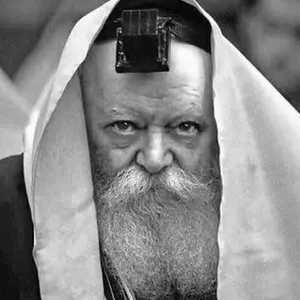

Haircut in honor of the festival
[א] (halacha 826)
Question: Is there a purpose in taking a haircut on the eve of a Yom Tov?
Answer: The Mishnah in Tractate Moed Katan1 states who the people are who are permitted to take a haircut on Chol HaMoed, and the Gemara there2 asks: 'And all other people, what is the reason they are prohibited? - As it is taught: The men of the mishmar and the men of the maamad are prohibited to cut hair and to launder, and on Thursday they are permitted, on account of the honor of Shabbos. And Rabbah bar bar Chana said in the name of Rabbi Elazar: What is the reason? - So that they should not enter their mishmar term when they are unkempt. Here too: so that they should not enter the festival when they are unkempt'.
If so, it is explained in the Gemara that since one must take a haircut before the festival so as not to enter the festival unkempt, therefore Chazal prohibited3 taking a haircut on Chol HaMoed, so that people should not rely on this, and should be careful to take a haircut before the festival.
And it is written in the Shittah to the disciple of Rabbeinu Yechiel of Paris: 'And from here we learn that it is a mitzvah for a person to beautify himself with shaving, laundering, and washing on the eve of the festival, for they penalized him not to shave during the festival because he did not shave on the eve of the festival'.
And so wrote the Ravyah4: 'And it is also a mitzvah to take a haircut in honor of Shabbos and Yom Tov, as is also proven there. And in the chapter Kohen Gadol [the Kohen Gadol shaves] from one eve of Shabbos to the next eve of Shabbos, [for the honor of Shabbos] he does it'.
And so wrote the Rema in Darkei Moshe5 in the name of the Ohr Zarua: 'It is written in the Ohr Zarua, chapter Eilu Megalchin, that it is a mitzvah for a person whose hair has grown long to shave himself for Shabbos or Yom Tov, for they prohibited shaving during the festival so that he should not be unkempt during the festival'.
And in practice the Mechaber wrote in the laws of Chol HaMoed6: 'It is a mitzvah to shave on the eve of Yom Tov'.
And the Taz7 explained: 'So that he should not enter the festival when he is unkempt; therefore they do not shave during the festival, so that he should be concerned to shave on the eve of the festival'8.
And so wrote the Rema9: And it is a mitzvah to wash and shave on the eve of Yom Tov and to wear fine garments as on Shabbos, and see above siman 260 and 262'.
And the Alter Rebbe wrote10 that this is from the law of honoring Yom Tov: 'What honor is this that the Sages said, that it is a mitzvah for a person to shave on the eve of Yom Tov so that he should not enter the festival when he is unkempt'.
If so, we have seen that on account of the honor of Yom Tov there is a mitzvah for a person whose head-hair has grown long to take a haircut on the eve of Shabbos and Yom Tov so as not to enter the festival unkempt.
★ ★ ★
Question: What is the definition of being unkempt?
Answer: The Pri Megadim wrote11: 'And being unkempt is only after thirty days, similar to letting the hair grow long. And as for what is written in the Shulchan Aruch that it is a mitzvah to shave on the eve of the festival, in the Gemara this is not explained .. for it may be said that entering the festival unkempt means more than thirty days'.
And so it is written in Shu"t Torah Lishmah12: 'Question. A person who is unable to cut his head-hair every eve of Shabbos due to a headache, up to how many days may he wait without it being considered being unkempt; may the one who instructs for righteousness instruct him, and his reward will be doubled from Heaven. Answer. It is good to be careful to cut hair at least from thirty to thirty, and as long as one has not waited more than thirty days it is not considered being unkempt, for so we find with the growing of a Kohen's hair, and as mentioned in the Gemara at the end of the chapter Kohen Gadol, and the Rambam ruled it as halacha in the Laws of Entering the Sanctuary, chapter 1, halacha 11, and this is his wording: How much is growing the hair long? Thirty days, like a nazir, of whom it is said "he shall let the hair of his head grow long," and there is no nezirus for less than thirty days; therefore an ordinary Kohen who serves cuts his hair from thirty to thirty days, see there. We thus learn that anything within thirty days is not being unkempt and is fit even for the service of the Beis HaMikdash; however, where one's hair has grown very long until it becomes a braid, this is not included in being unkempt'.
However, the Mishnah Berurah wrote13: 'And for us, in our country, where the custom is to cut hair only with scissors, and therefore even after he has cut his hair a little hair remains upon him, consequently even if he waits after this less than thirty days, more hair will accumulate upon him than the thirty days beforehand which he had then after shaving'.
And so wrote the Kaf HaChaim14: 'And it appears that in a place where they do not shave with a razor but only with scissors or with a machine, even less than thirty days it is being unkempt, for since they do not cut the hair off entirely and some hairs remain, even in less than 30 days the hair accumulates and it constitutes being unkempt with respect to the festival'.
If so, in practice, hair that has grown more than 30 days is in the category of being unkempt, and the poskim wrote that nowadays, since people take a haircut with scissors or a machine and some hair remains, therefore already in less than thirty days from the last haircut it is considered grown, since there was already a certain amount of hair, and it all depends on the circumstances15.
In the next halacha we will see when is the correct time to take a haircut
Notes:
1 יג, ב ↩
2 יד, א ↩
3 וראה מ"ש הריטב"א בחידושיו ↩
4 מסכת שבת סי' קצז ↩
5 או"ח סי' רס ↩
6 שו"ע או"ח סי' תקלא ס"א ↩
7 שם ס"ק א ↩
8 וביאר הלבושי שרד: 'הוקשה לו דסעיף זה היה ראוי להיות מקומו בהלכות יו"ט, לא בהלכות חול המועד, לזה תירץ שהוא נתינת טעם לסעיף שאחר זה, וק"ל' ↩
9 שו"ע או"ח סי' תעא ס"ג ↩
10 או"ח סי' תקכט ס"ב ↩
11 או"ח משב"ז סי' תקלא ס"ק ב ↩
12 סי' שפח ↩
13 שער הציון סי' תקלא ס"ק א ↩
14 סי' תקלא ס"ק א ↩
15 וראה בחול המועד כהלכתו פ"ג הערה א ↩
[ב] (halacha 827)
Question: We saw in the previous halacha that one must take a haircut in honor of the festival; when is the proper time to take a haircut?
Answer: The Ravyah wrote1: 'And it is also a mitzvah to take a haircut in honor of Shabbos and Yom Tov, as is also proven there. And in the chapter Kohen Gadol [the Kohen Gadol shaves] from one eve of Shabbos to the next eve of Shabbos, [for the honor of Shabbos] he does it. And even from the morning of the eve of Shabbos the matter is recognizable that he is doing it for the honor of Shabbos, for we learn in Tractate Nazir chapter one regarding a permanent nazir, Rabbi Yosi said he shaves from one eve of Shabbos to the next eve of Shabbos, and it concludes: what is the difference between him and the rest of his brothers etc., until it concludes: alternatively, regarding shaving from the morning of the eve of Shabbos, that his brothers shave and he does not shave until the evening. But on Thursday it is not the honor of Shabbos. And even though we learn in the chapter Merubeh2 regarding the ten [enactments that Ezra enacted] that they should launder on Thursday on account of the honor of Shabbos, there it is different, for one is busy on the eve of Shabbos with laundering, and moreover he does not wear it until Shabbos .. however, where it is not possible to wash on the eve of Shabbos, the closer to Shabbos the better'.
And so wrote the Bach3 from the Maharshal: 'Further, in the glosses (Maharshal there) it is a mitzvah to take a haircut in honor of Shabbos and Yom Tov, and even from the morning of the eve of Shabbos it is recognizable that he is doing it for the honor of Shabbos, but on Thursday it is not the honor of Shabbos, and although we learn in Merubeh, of the ten enactments, that they launder garments on Thursday for the honor of Shabbos, there it is different, for they are busy laundering on the eve of Shabbos, and moreover they do not wear them on the eve of Shabbos, however, where it is not possible to wash and take a haircut on the eve of Shabbos, whatever is possible to bring closer to Shabbos is better, thus far the gloss'.
The Knesses HaGedolah4 at first was in doubt regarding the time of shaving, whether Thursday or Friday is preferable: 'And we are in doubt which is preferable, to shave and cut the nails on Thursday for the honor of Shabbos and not on Friday, which causes growth on Shabbos itself, or to shave and cut the nails on Friday is preferable since it appears more to be for the honor of Shabbos. And from what the Mordechai wrote in the chapter Bameh Madlikin [siman 287] that washing the head [in honor of] Shabbos is specifically on Friday and not on Thursday, unless it is impossible on Friday. Thus far. There is no proof, for washing the head is different from shaving the head and nails, since on Shabbos itself he is shaved of hair and nails ..'.
But afterward he decided that it must be specifically on Friday, and that this is how he himself conducted: 'From that very baraisa there is proof that one takes a haircut on the eve of Shabbos, for it concludes there: and the Kohen Gadol takes a haircut from one eve of Shabbos to the next eve of Shabbos, for it cannot be said that "eve of Shabbos" is not precise but rather Thursday, for it would have said "and the Kohen Gadol takes a haircut from the 8th to the 8th day"; since it teaches "from one eve of Shabbos to the next eve of Shabbos," it implies on the eve of Shabbos, on account of the honor of Shabbos and on account of the mishmaros that are renewed, that they should see him in his beauty, as we say there in chapter 23 .. Afterward the Bach came to my hand, and I saw written there in the name of Rashal z"l: and he should cut his nails every eve of Shabbos, and it is a mitzvah to take a haircut for the honor of Shabbos and Yom Tov, and even from the morning of the eve of Shabbos it is recognizable that he is doing it for the honor of Shabbos, but on Thursday it is not the honor of Shabbos .. Also in the book Mateh Moshe siman 411 he wrote so. And it appears that where he distinguished that of Merubeh from the haircut, is because that of Merubeh concerns laundering garments in which there is extra exertion on the eve of Shabbos, and how will the Rav answer that in the Semak [siman 96] it is written to take a haircut and launder in the case of Tisha B'Av that falls on Thursday, and so wrote the Tosafos and as I wrote above; behold, here we have that a haircut is like laundering with respect to exertion. And it appears that the intent of the Rav z"l is that in the baraisa it says "to launder" because with laundering there is always exertion, and from this the Tosafos learned that where even with a haircut there is exertion it resembles laundering in the general case and is permitted on Thursday, but wherever there is no exertion one should not take a haircut. And so I conduct myself, not to take a haircut on Thursday but only when it is impossible to take a haircut on Friday, such as if there is concern that barbers will not be found on Friday, or when I am setting out with a caravan on Friday, or when Rosh Chodesh falls on Friday, for it is my minhag not to take a haircut on Rosh Chodesh that falls on Friday'.
The Magen Avraham5 cited the words of the Bach and the Knesses HaGedolah: 'The Bach wrote in the name of Rashal that one should take a haircut on the eve of Shabbos and not on Thursday, for it is not recognizable that he is doing it for the honor of Shabbos, and regarding cutting the nails there is a good reason not to cut them on Thursday, end quote. And it requires examination, for we learned a complete Mishnah in chapters 2 and 4 of Taanis: "and on Thursday they are permitted on account of the honor of Shabbos," and Rashi explained that most people cut hair on Thursday and not on the eve of Shabbos on account of the exertion of Shabbos, end quote. And it is possible that nonetheless the choicest way of the mitzvah is on the eve of Shabbos, only that the men of the maamad were not free on the eve of Shabbos .. (Knesses HaGedolah)'.
The Eliyah Rabbah6 wrote: 'In Shiyarei Knesses HaGedolah he elaborated greatly in being in doubt whether to take a haircut on Thursday or Friday, and he concludes on Friday, and even in the morning, and so wrote the Bach and all the Acharonim. And it appears to me somewhat of a [proof] that the mitzvah is on Friday and specifically from the morning, from Nazir folio 5 [side a] where it says that Avshalom would shave from one eve of Shabbos to the next eve of Shabbos, and it asks: what is the difference between him and the rest of his brothers, and it answers: his brothers from the morning and he in the evening, and this is clear'.
And the Kaf HaChaim wrote7: 'And the Arizal z"l was very careful not to shave his head after the time of Mincha Gedolah, and even on the eve of Shabbos he would not shave except specifically before midday. Shaar HaMitzvos, parashas Kedoshim. And Mahari Tzemach wrote in a manuscript gloss that it implies from here that if a person has a reason he may shave during the week and need not wait until the eve of Shabbos, see there'.
And this is the wording of the Alter Rebbe8: 'And if the hairs of his head were long it is a mitzvah to shave them so that he should not enter Shabbos when he is unkempt, and the choicest way of the mitzvah is to shave on the eve of Shabbos itself and not before then, so that it should be recognizable that he is doing it for the honor of Shabbos; and if he has no time on the eve of Shabbos because of the exertion of the needs of Shabbos, he should shave on Thursday, for whatever is possible to bring the shaving closer to the day of Shabbos he should bring closer, so that it should be recognizable that he is doing it for its honor'.
If so, we have seen regarding the haircut in honor of Shabbos, that the choicest way of the mitzvah is to take a haircut from the morning of Friday, so that it should be recognizable that it is for the honor of Shabbos, and not to do it early and take a haircut on Thursday; however in a case of need he may do it early, and also in a case where he does it early, he should endeavor to bring it forward to Thursday so that it should be as close as possible to Shabbos, and of course all this applies also to the eve of a festival.
In the next halacha we will discuss when is the time to take a haircut on the eve of the festival of Shavuos, and whether one may do it early on the night of the eve of the festival.
Notes:
1 מסכת שבת סי' קצז ↩
2 ב"ק פב, א ↩
3 או"ח סי' רס ↩
4 שכנה"ג הגהב"י או"ח סי' רס א ↩
5 או"ח סי' רס בהקדמה ↩
6 סי' רס ס"ק ח ↩
7 סי' רס ס"ק יג ↩
8 או"ח סי' רס ס"א ↩
[ג] (halacha 828)
We saw that one must take a haircut before the festival; likewise we saw that in honor of Shabbos and a festival it is proper to take a haircut on the eve of Shabbos (or the festival) and not to do it early on Thursday.
Question: For the honor of the festival of Shavuos, is it permitted to take a haircut already on the night of the eve of the festival, and this year is it permitted to take a haircut on the coming Motzaei Shabbos? (1)
Answer: Regarding the mourning customs during the days of Sefiras HaOmer, it is known that there are various opinions and minhogim as to when the 33 days are during which mourning is observed, and as the Alter Rebbe explained at length in his Shulchan Aruch1, and what follows below is taken from his words:
a) There are those who say that they begin from the first day of Sefiras HaOmer and conclude on Lag BaOmer .. Regarding the mourning of the last day we say: 'part of the day is like all of it' .. therefore, when one observes mourning for one hour or less on the day of Lag, that is, that he refrains from taking a haircut until after the day has dawned on Lag, that is sufficient, and it is permitted for him to take a haircut on Lag after some part of the day has passed and to marry a wife on it, and likewise from Lag onward .. and nevertheless, even on Lag itself one should be careful not to take a haircut before daybreak, since we say only 'part of the day is like all of it,' but as for night, even the whole of it is not like all of the day, and mourning does not cease until the next day2.
If so, according to this opinion, from Lag BaOmer during the day and onward it is permitted to take a haircut.
b) There are those who have the custom .. that they begin on Rosh Chodesh Iyar and conclude on the first day of Hagbalah, and part of that last day is like all of it, and therefore they take a haircut and marry from when the first day of Hagbalah dawns and onward.
If so, according to this opinion it is permitted to take a haircut already from the three days of Hagbalah.
c) And there are those who say that these 33 days begin from the 2nd of the month of Iyar and conclude on the eve of Shavuos. [According to this minhag one should not take a haircut on the night of the eve of the festival of Shavuos, and it is possible only after part of the day of the eve of Shavuos has passed, and as the Machatzis HaShekel wrote3: 'And on the eve of Atzeres one must also apply "part of the day is like all of it"'].
If so, according to this opinion one should not take a haircut on the night of the eve of Shavuos, but rather one should wait until after part of the day of the eve of Shavuos.
And the Magen Avraham wrote4: 'But in this country they have the custom to marry and take a haircut during the three days of Hagbalah'.
That is, the accepted minhag in his time was to be lenient during the three days of Hagbalah5.
But the Alter Rebbe did not bring that this is the minhag, and wrote there: 'Since mourning is merely a minhag, one should not be stringent in a doubt,' but: 'he may adopt the stringencies of the minhogim, that is, that he should observe the prohibition from Pesach until the eve of Shavuos or until the first day of Hagbalah, except for Lag BaOmer'. [And the Alter Rebbe elaborates that if the minhag of the place is known to him, one should not deviate from the minhag].
The Rebbe in Likkutei Sichos6 writes: nevertheless the minhag of Chabad and others is to observe the prohibition of a haircut etc. even after Lag BaOmer and he references the words of the Shulchan Aruch and the Magen Avraham in siman 493 and the Alter Rebbe there in se'if 6.
But even according to this there is room to discuss regarding our minhag, for the Alter Rebbe brings there both minhogim, both the minhag not to take a haircut until Shavuos itself, and also the minhag that one may take a haircut during the three days of Hagbalah, and it is indeed true that he wrote that one may adopt the stringencies of the minhogim, which implies that there is room to conduct oneself with the stringency not to take a haircut during the three days of Hagbalah and to wait until the eve of Shavuos itself in the morning, but there is no proof from this that such is the minhag of Chabad.
But in the sefer HaYom Yom7 regarding a haircut during the three days of Hagbalah it is written: 'When they took haircuts during the days of Hagbalah, before the eve of the festival of Shavuos, my father [the Rashab] was not pleased with this'. That is, that according to our minhag one does not take a haircut even during the three days of Hagbalah, until the eve of the festival of Shavuos itself.
And it still remains to be discussed whether the insistence of the Rebbe Rashab was in order to be concerned for the third opinion that one cannot take a haircut until part of the day of the eve of Shavuos begins, or whether it stems from the additional reason we find for the prohibition of a haircut during Sefiras HaOmer according to Kabbalah, as will be explained in the next halacha.
In the next halacha we will see the words of the mekubalim on this, and what in practice is the proper time to take a haircut on the eve of the festival of Shavuos.
Notes:
1 סי' תצג סעיפים ה-ז ↩
2 בתוך מנהג זה יש עוד מנהג, שסוברים שימי האבלות הן רק ל"ב יום, ולכן גם בליל ל"ג בעומר אין אבלות ↩
3 ס"ק ה ↩
4 סי' תצג ס"ק ה ↩
5 וראה בפמ"ג שדן עפ"י איזה מהשיטות התקבל מנהג זה. וראה משנ"ב סי' תצג ס"ק טו, שכך מנהג וילנא, ויש שנוהגין להקל מר"ח סיון, ובשער הציון ס"ק יג העיר שלא ברור מקור המנהג. וראה בפסקי תשובות אות יד מה שביאר בזה ↩
6 חל"ז ע' 123 בהערה 8 ↩
7 ג' סיון ↩
[ד] (halacha 829)
In the previous halacha we saw that according to what is brought in the Shulchan Aruch there are those who have the custom not to take a haircut during the three days of Hagbalah, and to wait until the eve of Shavuos itself after part of the day has begun, and there are those who are concerned for this minhag.
Question: What is the reason for the prohibition of a haircut according to Kabbalah, and according to the words of the mekubalim, is it permitted to take a haircut before the morning of the 49th day? (2)
Answer: It is explained in the writings of the Arizal that the prohibition of a haircut during Sefiras HaOmer is not on account of the mourning over the students of Rabbi Akiva, but on account of the fact that these are days of judgment and therefore one does not take a haircut during these days, and the Shaar HaKavanos wrote1: 'Regarding the matter of shaving, during these 49 days my teacher z"l would not shave his head, except on the eve of Pesach and on the eve of the festival of Shavuos, and he would not shave, neither on the day of Rosh Chodesh Iyar, nor on the day of Lag LaOmer, in any manner'2.
From the plain wording of the Arizal '49 days' it appears that the prohibition to take a haircut is until the eve of the festival of Shavuos itself, but the mekubalim differ on this, as follows:
a) Rav Shmuel Vital wrote3 regarding his father the Maharchu: 'I also saw regarding my teacher z"l that he would shave his head on the 48th day of the Omer, and I did not know what his intent was. And it is possible, since the two combinations of the Name Elokim were completed, which are 24 and 24, which are 48. A hint to the matter: "wonders in the land of Cham" [nifla'os be'eretz Cham], he was not particular about the 49th day .. and therefore he would take a haircut and shave on the 48th day. And he concealed the matter from me, and put me off with straw, and said to me: perhaps the Jew who shaves will not be able to come tomorrow to the house to shave me, and I will sit during the festival without a haircut. And the truth will show its way, as it appears to me'.
And also the disciple of the Maharchu, Rabbi Chaim HaKohen, in the Tur Bareket4 wrote: 'However, the matter of letting the hair grow long is called holy as mentioned; behold, in these days a person merits two levels, pure and holy, and therefore even though there are those who have the custom to take a haircut on Lag LaOmer, we do not take a haircut, for it has been explained that those who have the custom to take a haircut do so from the very reason that one does not take a haircut during the days of mourning, because the students of Rabbi Akiva died, and then they ceased dying and therefore they take a haircut; but we do not let the hair grow long on account of this mourning, but rather for the reason mentioned, in order to become sanctified with a supernal holiness which from Pesach until Atzeres goes on increasing until the day of the Giving of the Torah, and therefore we do not take a haircut until Atzeres, up to but not including it, for it has been explained from Chazal that 49 gates were revealed to Moshe Rabbeinu, as it is said "and You made him lack a little of the Divine" [vatechasreihu me'at me'Elokim], and therefore we take a haircut one day before, which is 48 days, and there is in this a great secret which it is not fitting to reveal on account of the honor of God, "conceal the matter," and combined with the first day of Pesach they are 49 days'.
b) In the sefer Pesach Einayim he wrote in the name of a manuscript sefer Beis Moed that Rav Chaim Vital would take a haircut on the night of the 49th5 of the Omer after counting the last count of the Omer6.
c) However, the Rashash7 wrote: 'And regarding shaving during the days of the Omer one must be very careful to guard not to shave in any manner except on the 49th day, as is the minhag of the Ari zlh"h, and not as some other mekubalim wrote to shave on the 48th etc'.
And so wrote the Chida8: 'The Rav Mahari Ashkenazi zlh"h was stringent all seven weeks not to take a haircut until the eve of the festival of Shavuos .. and not like the Rav Tur Bareket, and one who wrote in the name of the Ari z"l to take a haircut on the 48th day. And it is true that Mahar"sh the son of the Rav Maharchu testified that once his father took a haircut on the 48th day, and his father said that it was for a reason. See there in the Sefer HaKavanos. Therefore those who conduct themselves according to the minhag of the Ari z"l, it is proper to be stringent until the eve of Shavuos, unless on account of a reason'9.
And he further wrote in the Mareis HaAyin10: 'And the wondrous mekubalim in the holy city of Jerusalem, may it be rebuilt, and all their company had the custom to take a haircut on the eve of Shavuos itself and not on the 48th day. And so it is proper for those who conduct themselves according to the words of our teacher the Ari z"l that they should take a haircut on the eve of Shavuos, and nothing more'.
If so, the mekubalim differed as to whether according to Kabbalah one may take a haircut on the 48th day of the Omer, and likewise they differed regarding the night of the 49th11, and according to the words of the Rashash and the Chida one must take a haircut on the eve of the festival itself, unless there is a reason and concern that if he does not do it early, he will enter the festival unkempt, in which case he may do it early.
In the previous halacha we saw that the Rebbe Rashab was not pleased when people took haircuts during the days of Hagbalah before the eve of the festival of Shavuos, and there are those who wrote that this is not on account of the minhag brought in the previous halacha that the mourning continues until the morning of the eve of the festival of Shavuos, but rather on account of the words of the mekubalim, and there are those who instructed that according to this one may take a haircut on the night of the 49th12, and particularly after the counting.
But in practice, since even in the words of the mekubalim the matter is not clear as above in the view of the Rashash and the Chida, and likewise there is the minhag brought in the Shulchan Aruch of the Alter Rebbe that one should not take a haircut before the morning of the eve of the festival, and in addition we saw13 that on account of the honor of Yom Tov it is proper that the haircut should not be early but rather on the day of the eve of the festival, therefore le'chatchilah it is proper to take a haircut on the morning of the eve of the festival (after the beginning of the day), unless there is concern that on the eve of the festival he will not manage to take a haircut and consequently will enter the festival unkempt, in which case he should do it early and take a haircut on the night of the eve of the festival [and in a case of need he should do it early on the 48th day of the Omer].
--------------
Notes:
1 ענין ספירת העומר ופע"ח שער ספירת העומר פ"ז ↩
2 וראה שע"ת סי' תצג ס"ק ח: 'וכ' באגרות הרמ"ז סו"ס ב' שלפי מנהג האר"י ז"ל אפי' אם יזדמן ברית מילה אין להסתפר בכל זמן העומר' ↩
3 שער הכוונות שם הג"ה ג ↩
4 או"ח סי' תצג ↩
5 כתב המנחת אלעזר ח"ג סי' סה: 'והנה לדעתי לאו מר בר רב אשי חתום עלי' דהאי כת"י ואחרי כי מהר"ש וויטאל העיד בשם אביו שגילח ביום מ"ח לספירה והוא מר בר רב אשי חתום עלה הוא בריה דמהרח"ו (מהרש"ו הנז') אשר הוא סידר השמונה שערים סולת נקי' כנודע שעל שאר כתבים אין להשגיח במקום שסותרים לשמונה שערים שסידר מהר"ש וויטאל' ↩
6 להעיר מלשון המשנת חסידים מסכת אייר וסיון פ"ב מ"ב. אמנם הגם שתולה ההיתר בספירת העומר, אך עדיין יש לפרש בדבריו שזה סיבת ההיתר להסתפר בערב החג עצמו ↩
7 נהר שלום כה, ד ↩
8 ברכ"י או"ח סי' תצג ס"ק ו וראה ג"כ מורה באצבע סי' ח אות רכא ↩
9 וראה מנחת אלעזר שם: 'רק דס"ל למהר"ש שרעבי דלא עפ"י סוד עשה מהרח"ו כן (כמו דס"ל למהר"ש וויטאל) רק מפני שחשש שלא יבא המגלח היהודי בערב שבועות ויכנס ליו"ט בשערותיו ע"כ גילח ביום שלפניו (יום מ"ח לספה"ע) כמו שהגיד טעמו כנ"ל ומפני חשש הנגלה שיכנס ליו"ט בשערותיו דחה הטעם עפ"י סוד שיש לגלח רק בערב שבועות כן ס"ל בע"כ למהר"ש שרעבי כדי ליישב דבריו כנז'. נמצא עכ"פ גם מזה כשיש אונס וטעם שחשש שיכנס ליו"ט בשערותיו אז יש לגלח ביום מ"ח' ↩
10 ליקוטים סי' ז ↩
11 להעיר שיש שכתבו שע"פ קבלה אין להסתפר בלילה וראה הדיעות בזה בשו"ת יחוה דעת ח"ד סי' כ ↩
12 ראה מ"ש הרב ברוין בלוח יומי תשפ"ה ע' יז ↩
13 הלכה מספר 827 ↩
[ה] (halacha 830)
Question: Is it permitted to take a haircut even after the time of Mincha, on account of the prohibition of work on the eve of Shabbos?
Answer: The Kolbo wrote1: 'And it appears that it is prohibited to cut hair with a Jewish barber on the eves of Shabbos and festivals from Mincha onward, and it is possible to permit a haircut done in an unskilled manner, for it is no worse than Chol HaMoed, where we say (Moed Katan 8b) an unskilled person sews in his usual manner'.
The Beis Yosef2 cited the Kolbo, and wrote: 'And the world has adopted the custom of leniency in the matter, and wherever the halacha is shaky in your hand follow the minhag'.
And in practice the Rema wrote3: 'And one may take a haircut the whole day, even with a Jewish barber'4.
However, in the writings of the Arizal5 it is stated regarding the conduct of the Arizal: 'My teacher z"l had the practice not to shave after midday, which is the time of Mincha Gedolah, and even on the eve of Shabbos he was very careful'.
And regarding the reason for the matter Mahari Tzemach wrote6: 'One must be careful not to shave after midday, which is the time of Mincha Gedolah, for then the judgments are aroused, in the secret of "you shall not muzzle an ox while it threshes," and even on the eve of Shabbos he was very careful, for the judgments are still not so sweetened until close to nightfall'.
However, the Magen Avraham7 cited this practice: 'And in the Kavanos8 it is written that the Ari was careful not to shave after Mincha even on the eve of Shabbos, and see siman 232'.
And the Eliyah Rabbah wrote9: 'It implies that it is on account of the tefillah of Mincha when he has not yet prayed'.
And the Machatzis HaShekel explained10: 'And it means, since the Magen Avraham wrote and see siman 232, where it deals with the law of a haircut close to Mincha on a weekday, it implies that the reason of the Ari too was for this reason. And likewise from what he wrote "even on the eve of Shabbos," it implies that all the more so it is prohibited on a weekday, and perforce it deals with when one has not prayed Mincha, for otherwise, what prohibition is there on a weekday; rather, perforce it is when he has not prayed, only that it might occur to you that on the eve of Shabbos it would be permitted even if he has not yet prayed since it is a need of Shabbos, for this he wrote "even on the eve of Shabbos"'.
And the Pri Megadim wrote11: 'What is written in the Kavanos "even" the eve of Shabbos, not only on a weekday before he has prayed Mincha, [but] even for a need of Shabbos he would not shave after the time of Mincha arrived and he had not prayed, and see siman 232 [se'if 2]. And the world who are not careful even after Mincha Ketanah, it may be said as the [Magen Avraham] wrote in siman 232 letter 3, that if he has two or three barbers it is possibly permitted, or where they call him to the synagogue we are not concerned'.
And it is explained in the Pri Megadim12 that le'chatchilah one must be careful also on Yom Tov, since Shabbos and Yom Tov are equal: 'And see siman 468, that on the eve of Pesach after midday it is prohibited to shave; behold, on other eves of a festival, if one forgot, it is permitted, but le'chatchilah one should shave before midday, see siman 251 letter 5 in the Magen Avraham in the name of the Ari z"l. And see the Bach siman 251, and in other places it implies that Shabbos and Yom Tov are equal, and see in the Gemara'.
If so, from the letter of the law it is permitted to take a haircut on the eve of Shabbos and a festival the whole day, but it is written in the writings of the Arizal not to take a haircut after midday, and there are those who explained that this is because after midday it is a time of judgments, but there are those who explained that it is connected to the prohibition of a haircut before the tefillah of Mincha, and therefore one who has already prayed [or when there are several barbers to cut hair, and likewise if there is someone who will call him to the tefillah] may take a haircut after midday, and according to this they explained why the world is not careful about this, and takes a haircut even after midday.
And in practice the Alter Rebbe13 wrote the permission of a haircut and did not mention at all the practice of the Arizal, and this is his wording: 'It is prohibited to cut the hair of a non-Jew on the eve of Shabbos from Mincha onward, even a haircut that is done in an unskilled manner, and even if he cuts it for free, since there is no need of Shabbos in this work. But it is permitted to cut the hair of a Jew the whole day, even skilled work and even for wages, and it is not comparable to sewing garments and other kinds of work in which the matter is not recognizable that the work is now being done for Shabbos; therefore there is no permission except for free (for when he takes wages, it is as though it is done for the sake of his wages alone and is not done at all now for the sake of Shabbos), but a haircut is recognizable that it is now being done for the sake of Shabbos'.
However, the Rebbe in Igros Kodesh14 mentioned the practice of the Arizal: 'And as we find that some say that after midday one should not take a haircut etc. (siman and Shulchan Aruch of the Arizal. Pri Etz Chaim)'.
And another time15: 'The time of cutting the nails on the eve of Shabbos .. and according to what is brought from the Arizal it should be before midday, for he wrote in the name of the Arizal to shave hairs after midday on account of "you shall not muzzle an ox while it threshes," and also in the cutting of nails there is this matter, for "they are held by his hairs and by his nails" .. a directive on this regarding practice I have not heard'.
But in the sicha of 29 Elul 572216 the Rebbe mentioned the practice of the Arizal simply, and this is his holy wording: 'And according to what is explained in several places that after midday it is not the matter that they shave their hairs, we must say that they do it before midday'.
If so, in practice we have seen that from the letter of the law it is permitted to take a haircut the whole day (even after midday); however, according to Kabbalah it is proper not to take a haircut after midday, and le'chatchilah it is correct to be concerned for this17; however, one who did not manage to take a haircut before midday should take a haircut after midday, provided that he does not enter the festival unkempt18.
--------------
Notes:
1 סי' נח ↩
2 או"ח סי' רנא ↩
3 שו"ע או"ח סי' רנא ס"ב ↩
4 וראה מ"ש המג"א ס"ק ה. וביאור הגר"א אות יא ↩
5 פע"ח שער מנחה וערבית פ"א ↩
6 לחם מן השמים כב, ב ↩
7 סי' רנא ס"ק ה ↩
8 ספר הכונות להר"מ טרינקו יא, א ↩
9 סי' רנא ס"ק י ↩
10 או"ח סי' רנא ס"ק ה ↩
11 א"א סי' רנא ס"ק ה ↩
12 משב"ז או"ח סי' תקלא ס"ק א ↩
13 שו"ע או"ח סי' רנא ס"ד ↩
14 אג"ק חט"ז ע' רעב ↩
15 חי"ח ע' תקס ↩
16 ראה תו"מ חל"ד ע' 320 הערה 66 ↩
17 המטה אפרים סי' תרכה סי"א כתב: 'ואנשי מעשה מדקדקין הרבה שלא לגלח אחר חצות שהוא עת מנחה גדולה' ↩
18 משנ"ב בשעה"צ סי' תקלא ס"ק ב: 'עיין בפמ"ג שכתב דלכתחלה יגלח קודם חצות, וציין ע"ז ממש"כ המג"א בסי' רנא בס"ק ה בשם האר"י, שכתב שם, שלא לגלח אחר מנחה, והיינו אחר שהגיע זמן מנחה, ור"ל מנחה גדולה בערב שבת, והוא הדין בערב יו"ט. ולפמש"כ שם בשם האחרונים דנוכל לסמוך על דעת הפוסקים דמנחה היינו מנחה קטנה, נראה דבערב יו"ט כשהזמן דחוק לו אפילו לכתחלה יוכל לסמוך עליהם. וכ"ז לענין לכתחלה, אבל לענין דיעבד הלא ידוע דעת הרמ"א שם בסוף הסימן דמסתפרין כל היום, ואף דהגר"א שם מפקפק על זה, לענין ערב יו"ט כדי שלא יכנס לרגל כשהוא מנוול אין להחמיר, וכן המנהג'. ראה גם חול המועד כהלכתו פ"ג הערה א ↩
From the 'Shoneh Halacha' project - a daily halacha with reasons and sources
Link to the group (silent): 'Shoneh Halacha - Chabad Minhogim'
Join the WhatsApp group