
Seventh Day of Pesach
[א] (halacha 798)
The Gemara in Maseches Megillah1 states: 'On the last Yom Tov of Pesach we read "Vayehi B'shalach" and read as the haftarah "Vayedaber Dovid".' And Rashi explained: '"Vayehi B'shalach Paroh" - because on the seventh day of Pesach they said the Shirah at the Sea'.
And the Pri Chodosh2 wrote: 'And on the [day] of the seventh [we read] "B'shalach", from the matter of the day, on which the Sea was split'.
And so it was ruled as halacha, and as the Alter Rebbe wrote3: 'And on the seventh of Pesach we read Parshas B'shalach until the end of the Shirah, and it is the minhag to read until "ki ani Hashem rofecha" .. and on the seventh day one should read Parshas B'shalach, which is from the matter of the day, on which day the Sea was split'.
And regarding the reading, there is brought in several of the seforim of the poskim a minhag that they were accustomed to stand during the reading of the Shirah, and as it is written in the sefer Shulchan HaKri'ah4: 'Also during the reading of the Shirah the entire congregation is accustomed to stand on their feet'.
And so wrote the Gaon Rav Chaim Noeh5: 'In Parshas B'shalach, one person reads the Shiras HaYam and one may not interrupt in it even in a place where there are many obligated ones (Shaarei Efraim Shaar 7 sec. 25), and it is the minhag to stand when the reader begins "Vayosha" until the end of the Shirah, and above in siman 18 we brought from the Divrei HaChaim that also in tefillah one must say the Shirah while standing, and a support for this may be said from the Mishnah in Sotah 27 which teaches that Yisroel would respond in song etc. like those who recite the Hallel, and the Hallel is a mitzvah to recite while standing as it is written in Shulchan Aruch siman 422'.
And although there are those who cast doubt on the minhag6, the poskim wrote that one cannot change from the minhag, and so wrote in Rivevos Efraim7: 'Our minhag here is that during the reading of Parshas Shirah they stand, and someone came and wishes to change it that they should sit. And ostensibly one cannot nullify a minhag. But the entire matter of standing is not clear to me, and I recall that when I was a youth in Yerushalayim they stood during the reading of the Shirah, and I searched and saw in the sefer HaTodaah, chodesh Shevat, page 210, that he wrote as follows: And it is read publicly one Shabbos a year while standing (and there are those who are not accustomed to hear it specifically while standing, end quote), thus there is a proper minhag to stand. And see in the holy Zohar, Lech Lecha, that Dovid said song specifically while standing (Shmuel 2, 22), and therefore he merited that he is a king forever. And he is Melech HaMoshiach. The Midrash Talpiyos, os 4, anaf Dovid, explains that therefore Dovid and his descendants merited to sit in the Azarah, as it is stated "there is no sitting in the Azarah except for the royalty of the House of Dovid alone", for the Holy One, blessed be He, does not withhold the reward of any creature, end quote. And if so, according to this it may be that they say song while standing in order to merit great things, and study this. And standing is a sign of esteem for the Holy One, blessed be He, for one departs from his emotions and is greatly moved and stands, and does not become lazy and sit, and departs from the usual order, and therefore one should be meticulous to stand. And the song that Dovid said while standing came and flowed forth from his elevation to such a level that even amid troubles and sufferings and disgrace and shame of face, despite all this his spirit was not damaged and his love and faith in Hashem Yisborach was not impaired; while standing he stood in all the trials and said song'.
And so too the minhag of Chabad is to stand during the Shiras HaYam, and as the Rebbe wrote in HaYom Yom8: 'During the reading of the Shirah they stand'.
And accordingly it is written in the Sefer HaMinhagim9: 'During the reading of the Shirah from the Sefer Torah on Shabbos Shirah and likewise on the seventh of Pesach - they stand'.
And regarding the manner of standing, it is not mentioned whether one must look in the direction of the Sefer Torah10, but the Rebbe writes that he asked the Rebbe Rayatz regarding the conduct of the Rebbe Rashab11: 'In response to my question: Almost always Adno"e (the Rebbe Rashab) would stand during the reading with his face to the side. During the reading of the Shirah and the Ten Commandments he turns his face toward the Sefer Torah. During the reading of Shiras Miriam he turns his face toward the Aron HaKodesh'.
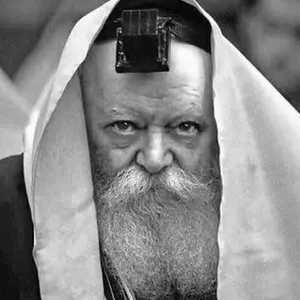
And likewise the conduct of the Rebbe during the reading of the Shirah was to stand with his face in the direction of the Sefer Torah12.
An additional matter was seen in the conduct of the Rebbe (from the year 5738 and onward) that many times he stood up several pesukim before the Shirah, and remained standing also afterward13.
--------------
Notes:
1 לא, א ↩
2 או"ח סי' תצ ס"ה ↩
3 סי' תצ סעיפים ח - ט ↩
4 להרב דוב בער ריפמן (הוצאה שניה ברלין תרמ"ב) פי"ב ע' 90 ↩
5 קצות השלחן סי' פד בדה"ש אות כב ↩
6 ולהעיר מהדיון אודות העמידה בעשרת הדברות והחשש מפני שיאמרו המינים (ראה הנסמן בשו"ת יחו"ד ח"ו סי' ח. ופסקי תשובות או"ח סי' קמו הערה 30) אך יש שכתבו שאדרבה בעקבות העמידה בשירת הים וכדומה ירד החשש לעמוד בעשרת הדברות וכמ"ש שו"ת ישכיל עבדי ח"ב או"ח סי' ב: 'ובלאה"נ ג"כ לא קשיא [=אמאי נהגו לעמוד בעת קריאת עה"ד בפ' יתרו ואתחנן הא אדרבה חשש מינות יש בדבר ח"ו במה שנוהגין כבוד לעה"ד יותר משאר התורה] שהרי וכו' יש הרבה פרשיות שעומדים למשל אצל שירת הים ובשמח"ת בראשית וסוף התורה וכמו"כ בכל ספר (כשאומרים חזק) וגם אצל קריאת הד' פרשיות וכו' וכו''. וראה ג"כ שו"ת אגרות משה או"ח ח"ד סי' כב: 'אבל מה שאתה מתרץ מחמת שנהגו לעמוד גם בשירת הים בפ' בשלח ובשביעי של פסח שמזה רואין שאיכא עוד דברים שעומדים אף שלא שייך שם דברי המינים יבינו שהוא מטעם אחר הוא תירוץ נכון'. וראה גם הערה 13 (and regarding the minhag to stand during the Ten Commandments, we will elaborate on this in another halacha, b'ezras Hashem) ↩
7 ח"ג סי' קצד. וראה שו"ת אגרות מלכים סי' ז ↩
8 כא ניסן. וכן בהיום יום יז שבט - שבת שירה כתוב: 'עומדין בעת קריאת השירה' ↩
9 ע' 31 ↩
10 כפי שכתוב בהיום יום (כד שבט, א' דחג השבועות, יג מנ"א) לגבי קריאת עשרת הדברות שצריך לעמוד עם הפנים לכיוון הס"ת ↩
11 ספה"ש תרצ"א ע' 218 ↩
12 ראה הליכות ומנהגי שב"ק ע' פג. מעשה מלך ע' 213. אוצר מנהגי חב"ד ניסן ע' ריז ↩
13 ולהעיר ממ"ש בשו"ת שם משמעון (סטמר, תרצ"ב) או"ח סי' ד שמשווה בין העמידה בעשה"ד לעמידה בשירה, וכתב: 'אך אני לעצמי, אני נוהג מאז שנחלשו רגלי שאין בכחי לעמוד בהיכל המלך דהיינו בקריה"ת דכל השנה, שעכ"פ ביום שקוראים העשרת הדיברות או אפילו השירה וכדומה לעמוד אז בכל קריה"ת מרישא ועד סיפא וממילא לא יהיה נראה בעמידה דידי שבעשה"ד וכדומה שום חשיבות יותר מבשאר הסידרא דיומא' ↩
From the 'Shoneh Halacha' project - Daily Halacha with reasons and sources
Link to the (silent) group: 'Shoneh Halacha - Minhogei Chabad'
Join the WhatsApp group