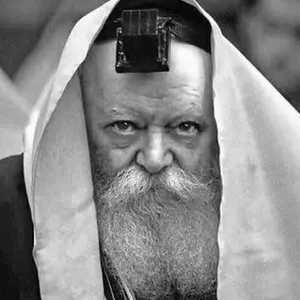

Birkas Kohanim
[A] (Halacha 773)
Question: When and how must one call the Kohanim for Birkas Kohanim?
Answer: It is brought in the Talmud Yerushalmi1: 'Rav Nachman bar Yaakov said: if there was one Kohen he says "Kohen," and if there were two he says "Kohanim." Rav Chisda said: even for one Kohen he says "Kohanim," for he is calling only to the tribe.'
And in the Gemara in Maseches Sotah2: 'Abaye said, we have a tradition: for two one calls "Kohanim," and for one he does not call "Kohen," as it is stated: "Amor lahem" (say to them), to two. And Rav Chisda said, we have a tradition: a Kohen calls "Kohanim," but a Yisrael does not call "Kohanim," as it is stated: "Amor lahem" (say to them) — the saying shall be from among them. And the halacha is like Abaye, and the halacha is not like Rav Chisda.'
[And to note from the language of the Midrash3: '"Amor lahem" (say to them) — from here that the chazzan must tell them to say. If there are two Kohanim who go up to the duchan, the chazzan must say to them "Kohanim, bless"; and if there is only one Kohen, he need not say anything, as it is stated "Amor lahem" — to two'].
And Rashi4 wrote: 'For two one calls "Kohanim" — when there are two Kohanim there to bless, the shliach tzibbur, when he has finished the bracha of Hoda'ah, calls them "Kohanim," and they turn their faces — for they had been turned toward the aron to pray — for we say further on: "May it be Your will that this bracha etc."'
But the Ran5 wrote: 'Any Kohen who does not go up to the duchan during the Avodah [service] no longer goes up. From this it seems, on the face of it, that what we said above — that the shliach tzibbur calls the Kohanim — is at the beginning of the Avodah; he calls them before he begins "Retzeh," for from that moment they must go up6 — but Rashi z"l wrote that they lift their feet on their own during the Avodah, and after the bracha of Hoda'ah the shliach tzibbur calls them "Kohanim."'
And so too in the Meiri7 who wrote: 'And nevertheless, whenever there is only one [Kohen] there, the shliach tzibbur does not call him; rather, he prepares himself and begins to bless at the appropriate time, meaning when the shliach tzibbur finishes the bracha of Hoda'ah. But if there were two or more, even though they prepared themselves while the shliach tzibbur says the bracha of Avodah, when he finishes the bracha of Hoda'ah the shliach tzibbur must call out loud "Kohanim," and immediately they begin to bless.'
And the Rambam8 wrote: 'If there were two or more, they do not begin to bless until the shliach tzibbur calls to them and says to them "Kohanim."'
And so wrote the Tur9: 'And then, if they are two, he calls to them "Kohanim," and they turn their faces toward the people. And if he is one, he does not call to him; rather, he himself turns his face.'
And the Mechaber10 wrote: They stand on the duchan with their faces toward the heichal and their backs toward the people, and their fingers folded into their palms, until the shliach tzibbur finishes "Modim," and then, if they are two, he calls to them "Kohanim." And they turn their faces toward the people; and if he is one, he does not call to him; rather, he himself turns his face.'
However, the Eliyah Rabbah11 wrote: 'The Semag [asin] siman 113 wrote, and the common practice is to call out even for a single [Kohen], and the Beis Yosef understood that what "he calls out" refers to "Yevarechecha." But it seems to me that it is possible that even the caller of "Kohanim" refers [to a single one]12, and so it seems in the Kolbo and the Tashbetz there. And it seems that their reasoning is that in the time of the Shas [Talmud] they did not say "Elokeinu etc." but rather began with "Kohanim," whereas for us, who say "Elokeinu" even when they lift their hands, therefore even though he says "Kohanim" out loud it is part of the language of the tefillah13. Further, it may be said [that the meaning of] the Shas Sotah daf 38 "for one he does not call 'Kohen' but 'Kohanim,'" and so it seems in Tosafos there [d"h Lishnayim] in the name of the Yerushalmi — see there and examine carefully. And further, that in Sefer HaManhig [siman 72] and Piskei Rekanti siman 38 he brought the Yerushalmi that one calls to a single Kohen, for he is calling only to the tribe. Therefore it seems to me that one should not rebuke those who practice thus.'
That is, according to the Eliyah Rabbah the intent of the Semag is that there is room to call "Kohanim" even for a single Kohen.
But in practice the Alter Rebbe14 wrote like the Mechaber: 'And the shliach tzibbur does not call "Kohanim" except for two, for the pasuk says "Amor lahem," whose Targum is "kad temrun lehon," which implies two. But if there is only one Kohen there, he does not call to him; rather, he himself turns his face, does nesias kapayim, and blesses before he does nesias kapayim (and even though on his own he is not obligated to do nesias kapayim, as written above, since they do not call to him).'
Thus we have seen that Chazal learned from the words of the pasuk "Amor lahem" that one should call to the Kohanim, but on condition that there are at least two Kohanim.
[However, some had the practice to call even when there is only one Kohen, and this is according to the minhag to say the entire text of 'Elokeinu ... barcheinu ... stated by the mouth of Aharon and his sons, the Kohanim,' and we will see the details of this in the coming halachos].
Notes:
1 ברכות פ"ה ה"ד ↩
2 לח א, ב ↩
3 במדב"ר נשא פי"א סי' ד ↩
4 סוטה שם ↩
5 מגילה טו, ב מדפי הרי"ף ↩
6 אבל ראה ברבינו מנוח ובכסף משנה הלכות תפילה ונשיאת כפים פי"ד ה"ה שהקריאה אינה בשביל שיעלו אלא בכדי שיחזירו פניהם כלפי העם. וראה מה שהקשה ע"ז תורת חיים סי' קכח סקט"ז מדברי הרמב"ם. וראה גם בלבוש סי' קכח, סעיף י ↩
7 סוטה לח, א ↩
8 הל' תפילה ונשיאת כפים פי"ד ה"ח ↩
9 או"ח סי' קכח ↩
10 שו"ע או"ח סי' קכח ס"י ↩
11 סי' קכח ס"ק כד ↩
12 אך בשו"ת דברי שלום או"ח ח"א סי' עו העיר על דבריו: 'ודברי הרב א"ר צ"ע .. הרי מפורש להדיא כפי הבנת הב"י דקאי על מה שש"צ מקרא אותם ברכת כהנים דנפקא לן 'מאמר להם' שמקרא אותם. אבל 'אמירת כהנים' כתב הסמ"ג קורא אותם כהנים. ומקרא לא שייך לומר אלא דוקא גבי ברכת כהנים שעונים אחריו על כל מלה ומלה וזה ברור'. אך להעיר שבדברי הכלבו שמציין הא"ר נכתב 'ומיהו נהגו עמא דבר *לקרות* אף ליחיד' ↩
13 וראה גם בלבוש שם 'שגם שקורין .. על הדרך שכתבתי שאומר בלחש..ואח"כ בקול רם אומר כהנים..אין זה קריאה ממש..' ↩
14 שו"ע או"ח סי' קכח סט"ו ↩
[B] (Halacha 774)
In the previous halacha we learned that the call "Kohanim" is said only when there are at least two Kohanim.
Question: What is the law when there is one adult Kohen, and another minor Kohen below bar mitzvah?
Answer: The Mabit1 wrote: 'Question: two Kohanim, one of whom is a minor, who went up to the duchan — are they called "Kohanim," since they are two, or perhaps, since the minor cannot go up alone to the duchan, they are not called "Kohanim"? Answer: it seems that they are not called "Kohanim" unless they are two adults, but if one of them is a minor they are not called; for a minor is not obligated to bless — rather, he goes up together with others in order to learn and to be trained. And since we derive from "Amor lahem" that the chazzan must say to them "say," as it says in the Sifri, it seems that he says [it] only to the adult, who is commanded to bless, not to the minor; and Rashi z"l also explained regarding the Mishnah that a minor does not lift his hands, because it is not honorable for the congregation for them to be bent [in receiving] his blessing — end quote. And if so, it is obvious that it is not honorable for the congregation to call to him that he bless them. And furthermore, even were it possible that the calling of "Kohanim" is only Rabbinic ... even so, when one is an adult and one is a minor the shliach tzibbur does not interrupt to call "Kohanim." But in Perek Elu Ne'emarin it implies that it is by Torah law ... and since by Torah law we derive from "Amor lahem" that one must call "Kohanim," it is obvious that it applies only to adults, who are obligated to bless by Torah law; and although we train the minor, even so he is not included among the "Kohanim" to call to him, for it is not honorable for the congregation, as Rashi explained ...'.
Thus, according to the Mabit, when there is one adult Kohen and another minor Kohen, one does not say "Kohanim."
The Knesses HaGedolah2 cited the words of the Mabit, and wrote: 'And so I acted in practice here in Tiria, yea"a, and one who did not know the sefer wondered at the matter.'
And so wrote the Magen Avraham3: 'Two he calls. And if one of them is a minor he does not call "Kohanim" [Mabit siman 64].'
Except that the Pri Chadash4 disagreed, and wrote: 'And I do not agree with them, for since he is a minor it is a matter of chinuch [training] and he is a Kohen, it is quite fitting to call to them "Kohanim." And know that there is one who holds in the Yerushalmi [Berachos] Perek Ein Omdin [h"d] that even for one he calls "Kohanim," and although in that case we do not hold thus, here all agree that he calls "Kohanim." And what the Mabit wrote, that it is not honorable for the congregation to call to him that he bless them — that is not so, for the calling of "Kohanim" is in order that they turn their faces, as the Kesef Mishneh wrote [Tefillah] chapter 14, law 5 — see there.'
And the Pri Megadim5 agreed with him: 'And the Pri Chadash wrote that if a minor is fit for chinuch he calls "Kohanim" (if there is an adult with him), and all the more so now that we say "Elokeinu" there is no concern in saying the word "Kohanim" out loud. And see the Eliyah Rabbah os 24 that even for one he may say "Kohanim" out loud, and one should not rebuke those who do so; if so, for an adult and a minor he may say it. And see the Taz [s"k] 3.' And so wrote the Chayei Adam6 [and] the Mishnah Berurah7.
But in practice the Alter Rebbe8 wrote like the words of the Mabit and the Magen Avraham: 'And the shliach tzibbur does not call "Kohanim" except for two ... and even if they are two but one of them is a minor, one does not call to them.'
Thus, in practice one does not say "Kohanim" unless there are two adult Kohanim.
Notes:
1 שו"ת ח"א סי' סד ↩
2 הגה"ט או"ח סי' קכח אות ז ↩
3 שו"ע או"ח סי' קכח ס"ק יג ↩
4 שם ס"י ↩
5 שם א"א ס"ק יג ↩
6 ח"א כלל לב סעי' טו ↩
7 שם ס"ק לח ↩
8 שו"ע או"ח סי' קכח סט"ו ↩
[C] (Halacha 775)
Question: Is it the chazzan who calls "Kohanim"?
Answer: In the previous halacha we saw the words of the poskim regarding the calling of the Kohanim, and the plain meaning of their words is that the shliach tzibbur calls; but the Tosafos1 wrote: 'But as for calling "Kohanim" to the duchan, Rabbeinu Tam says that the shliach tzibbur cannot call them, for it is considered an interruption of the tefillah if he calls them; rather, one of the members of the congregation calls them. And that which we say in Sotah, Perek Elu Ne'emarim2, "for two one calls 'Kohanim' etc." does not refer to the shliach tzibbur but to the chazzan, as it is taught in the Sifri3: "Amor lahem" teaches that the chazzan says to them "say," and the chazzan is not the shliach tzibbur4, for the chazzan is the one who occupies himself with the needs of the congregation. And so it also implies in Sotah5 that it does not refer to the shliach tzibbur, for at first it says "the Kohanim are not permitted to begin the blessing until the speech ceases from the mouth of the caller" — meaning the caller of "Kohanim" — and afterward it says "the shliach tzibbur is not permitted etc.," which implies that they are two [distinct people]. And there were some who wished to say that likewise the shliach tzibbur is not permitted to read out "Yevarechecha" to the Kohanim, for likewise it would be an interruption; however, Rabbeinu Yehuda explained that explicitly in the Midrash of the reasons for the extra and missing letters, "Amor lahem" teaches that the shliach tzibbur says to them upon each and every word. And so there are some who wish to permit the shliach tzibbur himself to call "Kohanim" even according to Rabbeinu Tam, for what he explained — that it is an interruption — was only in their days, when immediately upon finishing the bracha of Hoda'ah they did not say "Elokeinu... barcheinu" as a bracha, as is implied in Sotah where it says "the caller is not permitted to call 'Kohanim' until the amen ceases from the mouth of the congregation" — meaning the amen that they answer at the conclusion of the bracha of Hoda'ah — this implies that they would say nothing but "Kohanim" immediately. But now that they have become accustomed to say "Elokeinu" in the language of blessing and tefillah, this is not an interruption, for it is no worse than the answering of amen here, which is not considered an interruption, as I explained.'
The Hagahos Maimoniyos6 cited the practice of his teacher, the Maharam of Rothenburg, who would say the text of Elokeinu in a whisper, except that afterward he retracted: '.. And my teacher, my master7 wrote that, in order not to change the minhag, the shliach tzibbur should say in a whisper "Elokeinu velokei avoseinu barcheinu etc." until he reaches "Kohanim," and he says out loud "Kohanim," and finishes "am kedoshecha ka'amur" in a whisper, and again reads out to them, out loud, "Yevarechecha," and so he is accustomed to do. And it is astonishing, for he himself wrote that "Elokeinu velokei avoseinu barcheinu etc." was instituted to be said only at a time when they were fit for nesias kapayim but there is no nesias kapayim, as [is mentioned] further on in chapter 15, law 10. And in Magdal Enzisheim my teacher, may he live, conceded to my words and told me that he had retracted from that practice. And so wrote Rabbeinu Peretz8, who wrote that Rabbeinu Tam wrote that it should not be said, but the Ri wrote in Tosafos Berachos that now that the chazzan is accustomed to say it always at Shacharis and Musaf, therefore it is proper to say it also when the Kohanim go up; and examine Tosafos Berachos and Sotah — end quote of the Rabbeinu Peretz.'
And in the Responsa of the Maharam of Rothenburg9 it is brought: 'My teacher, our master Meir z"l wrote as follows: whether according to our minhag, that the shliach tzibbur calls "Kohanim," or according to Rabbeinu Tam, I have a great difficulty: why do we skip part of the blessing of Birkas Kohanim — [that we do not] say "barcheinu ba'bracha etc." up to "Yevarechecha" according to our minhag, and according to Rabbeinu Tam up to "Sim shalom"? And perhaps it may be said: since the Kohanim, when they uproot [their feet] toward the congregation to bless, say "May it be Your will before You, Hashem our G-d and G-d of our fathers, that this blessing which You commanded us to bless Your people Yisrael shall have in it no stumbling or iniquity from now and forever," this stands in place of what the shliach tzibbur said, "barcheinu ba'bracha etc." And when there is no nesias kapayim, the shliach tzibbur says [it], and it seems to me that originally it was instituted only where there is no nesias kapayim. However, the language does not imply this, since it says "he uproots his feet toward the congregation to bless Birkas Kohanim," but rather implies that he uproots [himself] to move from his place during the Avodah, and so it seems to me to explain according to its plain meaning. And nevertheless, we can reconcile the minhag, and I retract to say that "Elokeinu" is not at all among the standard forms of the brochos that the 120 elders, among them several prophets, instituted, who instituted the 18 [brochos] in order; rather, it is an addition that later generations added, and I do not know when they added it, and so I found in Seder Rav Amram.'
[In the Mordechai HaShalem10 a further lengthy discussion is brought, and he explains that the saying of "Elokeinu" is not among the standard forms of the blessing and is an addition that later generations added, and afterward he adds: 'And I say that those who introduced the practice that the shliach tzibbur calls "Kohanim" and reads out to them had a difficulty as to how the shliach tzibbur interrupts his tefillah to call "Kohanim." And we learned in Perek Ein Omdin: "one who passes before the ark may not answer amen after the Kohanim, because of the disturbance" — this implies that he may not interrupt at all with anything that is not part of the tefillah itself; and if so, how does he interrupt to call "Kohanim"? And they instituted that he say in a whisper "Elokeinu velokei avoseinu barcheinu etc." up to "Kohanim, am kedoshecha," and he says it all in a whisper, except when he reaches "Kohanim" he says out loud "Kohanim," and finishes "am kedoshecha" in a whisper as stated, and again reads out to them, out loud, "Yevarechecha etc.," and it turns out that he does not interrupt his tefillah. And so I am accustomed to do, because it is difficult for me to introduce the practice like Rabbeinu Tam and to change the order of our predecessors, for from his words it implies that even he himself did not act according to his words, for he wrote "if my strength were firm I would abolish it" — which implies that it was not abolished. And so I found again something like these words in Tosafos of Rabbeinu Yehuda at the end of Perek Ein Omdin'].
Thus we have seen that the Rishonim disputed how one should conduct oneself in a case where there are Kohanim who go up to the duchan for Birkas Kohanim: a) According to Rabbeinu Tam the saying of "Kohanim" should be said by another person, not the shliach tzibbur. b) But Rabbeinu Yehuda wrote that the minhag is that the shliach tzibbur himself says "Elokeinu." c) The Maharam of Rothenburg practiced at first to say the text in a whisper and the word "Kohanim" out loud, but afterward he retracted, [holding] that one should not say "Elokeinu... barcheinu" at all when the Kohanim do nesias kapayim.
In the next halacha we will see how the authors of the Shulchan Aruch ruled, and the view of the Alter Rebbe.
--------------
Notes:
1 ברכות לד, א ד"ה לא יענה אמן ↩
2 לח, א ↩
3 פרשת נשא ↩
4 וכדברי ר"ת כתב הראבי"ה תשובות וביאורי סוגיות סי' אלף קנה. ואור זרוע ח"ב הל' נשיאת כפים סי' תיא. והרא"ש ברכות פ"ה סי' יז, וכתבו: 'ובערוך פי' חזן ש"ץ וטעות הוא דחזן הוא המתעסק בצרכי בהכ"נ וש"ץ הוא המוציא את הצבור ידי חובתם'. אך ראה בבאר שבע סוטה לח, א: 'ואני נפלאתי הפלא ופלא עליו היאך חשד לבעל הערוך שטעה בדבר שהסכימו עליו אבות העולם, שהם ר"ש והרמב"ם והר"ן והרבה מהמחברים שפירשו דש"צ קורא כהנים, אע"ג דבספרי תניא שהחזן קורא כהנים, ממילא ידעינן שכולם פירשו כדפירש הערוך חזן ש"צ הוא .. וכן אשכחן בדוכתי טובא דקאמר חזן ורצה לומר ש"צ. וגם ר"ת עצמו לא עלה על דעתו דחזן דבכולא גמרא היינו דוקא השמש המתעסק בצרכי בית הכנסת, דזה ודאי אי אפשר, אלא ר"ל דהאי חזן דקאמר בספרי שקורא כהנים אינו ש"צ, דכן אשכחן לפעמים דחזן לאו היינו ש"צ אלא שמש, ולא עוד אלא שהוא בעצמו קרא לש"צ חזן בפסקיו ובתשובותיו בדוכתי טובא' ↩
5 לט, ב ↩
6 הל' תפילה ונשיאת כפים פי"ד אות ז ↩
7 וראה ג"כ בתשב"ץ קטן סי' קצח: 'ובשעה שהכהנים עולים יאמר או"א ברכנו בברכה בלחישה ואומר כהנים בקול רם ועם קדושיך בלחישה. אם שנים הם קורין אותם כהנים ואם אין שם אלא א' אין קורין אותו אלא הוא הופך מעצמו. ונהגו העולם לומר בקול רם'. וראה ג"כ טור או"ח סי' קכח ↩
8 הגהות סמ"ק סי' קיג ↩
9 דפוס פראג סי' תרמח. וראה ג"כ מ"ש תלמידו המרדכי מגילה רמז תתיז ↩
10 מהדורת מכון ים ↩
[D] (Halacha 776)
In the previous halacha we saw the various minhogim regarding saying "Kohanim" and saying "Elokeinu," that some had the practice to say it even when there is nesias kapayim, and that the Maharam of Rothenburg at first practiced to say "Elokeinu" in a whisper and only the word "Kohanim" out loud, and afterward retracted, and ceased saying "Elokeinu" when there is nesias kapayim.
Question: What is the practice in actuality?
Answer: The Tur1 cited the words of the Maharam of Rothenburg before the retraction, and the Beis Yosef cited the Hagahos Maimoniyos who wrote that the Maharam retracted.
An additional minhag we found in the Rishonim, that they say the entire text of "Elokeinu" in a normal voice, and at the word "Kohanim" they raised the voice even more, as the Kolbo2 wrote: 'And this is the order: the shliach tzibbur says with a melody "Elokeinu velokei avoseinu barcheinu etc." up to "ka'amur," and he raises his voice and says "Kohanim."'
And so wrote the Leket Yosher3: 'And the blessing from Birkas Kohanim he says with a melody, out loud, up to "u'vanav Kohanim." And at that word "Kohanim" he calls to them "Kohanim" with a melody, out loud, and then the Kohanim begin to bless. And so I found regarding this in the Arba'ah Chayim (Orach Chaim) in siman 128, and this is its language: but now that the shliach tzibbur is accustomed to say it every time, even when the Kohanim do nesias kapayim it is proper to say it, and so did Rabbi Meir of Rothenburg z"l etc.'
And as a matter of halacha the Mechaber4 wrote: 'They stand on the duchan with their faces toward the heichal and their backs toward the people, and their fingers folded into their palms, until the shliach tzibbur finishes "Modim," and then, if they are two, he calls to them "Kohanim."'
And on the face of it, from the plain language of the Mechaber it seems that the shliach tzibbur is the one who says "Kohanim." [And so too the Rema added within the words of the Mechaber that "the shliach tzibbur" calls "Kohanim"], and likewise the Mechaber did not mention the saying of "Elokeinu."
And so wrote the Kaf HaChaim5, that the minhag of the Sephardim is not to say "Elokeinu" when there is nesias kapayim.
However, with respect to the minhag of the Ashkenazim we have found various minhogim, as follows:
The Rema added upon the words of the Mechaber there the two aforementioned practices of the Maharam and wrote: 'And he should not say "Elokeinu velokei etc."; and some say that they say it in a whisper up to the word "Kohanim," and then they say [it] out loud, and he goes back and says "am kedoshecha ka'amur" in a whisper, and so is the practice in these lands.'
And so wrote the Bach6: 'However, now the practice is like Rabbi Meir of Rothenburg before the retraction.'
Except that the Rema spoke with respect to two Kohanim, and as we saw in the previous halachos that if there is one Kohen one does not call to him "Kohanim" but he begins to bless on his own; however, the Mahari Assad7 wrote: 'In the time of the Shas, the chazzan of the synagogue was the shamash who occupies himself with the needs of the congregation, and he is the one who calls "Kohanim" ... if so, the shamash, the caller, can look and see beforehand at all the corners of the synagogue whether there are no more Kohanim there but only one Kohen, and therefore he does not call. But for us the shliach tzibbur calls, as it is written in the Shulchan Aruch and in the Rambam, and his face is toward the heichal and he stands in tefillah out loud, and he is not permitted to divert his mind and thought, nor to look and gaze behind him this way and that, whether perhaps more Kohanim came there in the middle of the tefillah, even though they were not there originally; therefore he properly calls "Kohanim" even for a single one, and there is no dispute, as seems correct'8.
The Chayei Adam9 wrote that the practice is like the words of the Rema, and added: 'And the Gra10 introduced the practice like the opinion of the poskim, that the chazzan says nothing at all, but rather another man calls "Kohanim."'
And in the view of the Alter Rebbe, in the Shulchan Aruch11 he wrote like the words of the Rema: 'There are places where they do not say "Elokeinu... barcheinu etc." when the Kohanim do nesias kapayim, but rather immediately when the shliach tzibbur finishes the bracha of Modim he calls out loud "Kohanim," and this call is not considered an interruption in the tefillah, since nesias kapayim is a need of the tefillah. But in these lands the practice is that the shliach tzibbur says "Elokeinu etc." in a whisper up to the word "Kohanim," which he says out loud, and it is the call to the Kohanim, and he goes back and says "am kedoshecha ka'amur" in a whisper; and for this reason this call is not considered an interruption, since he says it in the language of blessing and tefillah.'
However, in the Siddur he did not mention that he says "Elokeinu" in a whisper, only wrote: 'The one who reads out says "Elokeinu velokei avoseinu barcheinu etc." until he reaches the word "Kohanim," and when he reaches "Kohanim" he calls out loud "Kohanim," and it is the call to the Kohanim, and afterward he concludes and says "am kedoshecha ka'amur."'
And the Rav Chaim Naeh12 wrote: 'Here the Rebbe omitted the words "in a whisper" in the Siddur, and it is clear that his view is that he says "Elokeinu" in a medium voice as is his way, only the word "Kohanim" he says out loud, and it will be a call to the Kohanim, as my friend the eminent chassid, the gaon Rabbi Dov Taubkin, may he live, of Tel Aviv, may it be built and established, pointed out to me. And it seems that the reason he must say it out loud is that the request of "Elokeinu" is part of the tefillah, which the shliach tzibbur is obligated to make audible to the congregation.'
That is, it seems from the precise language of the Alter Rebbe in the Siddur [that it is] according to the minhag that the Kolbo and the Leket Yosher wrote13.
Thus, in practice we have found various minhogim when there are Kohanim who do nesias kapayim: a) The minhag of Sepharad, that the chazzan does not say "Elokeinu," and for one Kohen he says nothing, but when there are two or more Kohanim the chazzan says out loud "Kohanim"14. And in the minhogim of the Ashkenazim we have found various distinctions: b) The chazzan says the text of "Elokeinu" in a whisper and only the word "Kohanim" he says out loud when there are two Kohanim. c) Even when there is one Kohen he says "Kohanim" out loud. d) That the chazzan himself does not say "Kohanim," but rather one of the congregation. e) The chazzan says even the text of "Elokeinu" in a normal voice, except that the word "Kohanim" he says out loud when there are two Kohanim. And so the Rav Chaim Naeh inferred precisely from the language of the Alter Rebbe in the Siddur.
--------------
Notes:
1 או"ח סי' קכח ↩
2 סי' קכה ↩
3 או"ח עמוד כג ענין ד ↩
4 שו"ע או"ח סי' קכח ס"י ↩
5 או"ח שם ס"ק עא ↩
6 על הטור שם ↩
7 שו"ת יהודה יעלה ח"א או"ח סי' מב ↩
8 וראה שם שמבסס דבריו על דברי האליה רבה שהובאו בהלכה מס' 773: 'וה"ט לדידן שאומרים אלקינו וכו' ברכינו וכו' מפי אהרן ובניו כהנים וכו' א"כ כשקורא כהנים בקול הוא מלשון ונוסח התפלה משא"כ בזמן הש"ס לא היו אומרים אלקינו ברכינו כו' כשהיו נושאים כפיהם רק קוראים כהנים וכו' יעו"ש ובפמ"ג מזה' ↩
9 כלל לב סט"ו ↩
10 וכ"ה במעשה רב אות קסח ↩
11 או"ח סי' קכח סט"ז ↩
12 פסקי הסידור עמ' כג אות פד ↩
13 אמנם יש שכתבו (ראה סידור רסקין ח"א ע' שלג הערה 807 בשם הרא"ה קווין ועפ"י אג"ק חכ"ד ע' רסח), שלא בהכרח שאפשר לדייק מהשמטת תיבת בלחש, כשזה מתנגש עם הלכה מפורשת בשו"ע שלו ↩
14 ויש שנהגו לפעמים לכבד אדם אחר בהקראת כהנים, עפ"י דברי תשובות הגאונים (שערי תשובה סי' קעז), וראה שו"ת יבי"א ח"ה או"ח סי' כב אות ז ↩
From the 'Shoneh Halacha' project — a daily halacha with reasons and sources
Link to the (silent) group: 'Shoneh Halacha — Chabad Minhogim'
Join the WhatsApp groupLooking at the Chazan During Birchas Kohanim
[א] (הלכה 746)
> Looking at the chazzan during Birkas Kohanim.
Question: What is the source for looking at the chazzan during Birkas Kohanim?
Answer: Regarding Birkas Kohanim it is stated in the Gemara1: 'תניא אידך: כה תברכו - פנים כנגד פנים, אתה אומר: פנים כנגד פנים, או אינו אלא פנים כנגד עורף? ת"ל: אמור להם, כאדם האומר לחבירו .. אמר אדא א"ר שמלאי: בית הכנסת שכולה כהנים, כולן עולין לדוכן. למי מברכין? אמר ר' זירא: לאחיהם שבשדות. איני? והתני אבא בריה דרב מנימין בר חייא: עם שאחורי כהנים אינן בכלל ברכה! לא קשיא: הא דאניסי, הא דלא אניסי' ("It was taught in another braisa: 'Thus shall you bless' — face to face. You say face to face, or is it perhaps face to the back of the neck? Therefore it is taught: 'Say to them,' like a person speaking to his fellow .. Adda said in the name of R' Shimlai: A synagogue that is entirely Kohanim — all of them go up to the duchan. For whom do they bless? R' Zeira said: For their brethren in the fields. Is that so? But Abba the son of Rav Minyamin bar Chiya taught: The people behind the Kohanim are not included in the bracha! It is not difficult: this is where they are compelled, this is where they are not compelled").
And so ruled the Mechaber2, and the Alter Rebbe3.
Some have written that for this reason, even when there are no Kohanim in the synagogue reciting Birkas Kohanim, and the chazzan recites Birkas Kohanim, they likewise customarily turn the face toward the chazzan, as follows:
The Zechor L'Avraham wrote4: 'מה שנוהגין המון העם כשהחזן אומר אלוקינו ברכינו כו' שהופכים פניהם נגד החזן, ודאי דהיינו טעמם דכמו דבברכת כהנים צריך שיהיו פני העם כנגד פני הכהנים כמ"ש בסי' קכח סכ"ג, כמו"כ סוברים דהוא הדין והוא הטעם בחזן דמאי שנא, אכן נראה דדוקא בכהנים הדין כן, אבל בש"ץ אי"צ להפוך הפנים .. וא"כ ממילא כשאומרה החזן אין שום צורך להפוך הפנים כיון שאינו אומרה בלשון ברכה רק בלשון בקשה, ובבקשה אי"צ שום הפיכת פנים, דא"כ נהפוך פנינו לכל הבקשות והתחינות שאומר החזן, ואעיקרא הפיכה זו למה היא באה, וזו אינה צריכה לפנים, וד"ק' ("That which the masses are accustomed to do when the chazzan says 'Eloheinu barcheinu etc.' — that they turn their faces toward the chazzan — surely their reasoning is that, just as during Birkas Kohanim the faces of the people must be opposite the faces of the Kohanim as stated in siman 128 se'if 23, so too they hold that the same law and the same reason apply to the chazzan, for what is the difference? However, it appears that the law is so specifically with Kohanim, but with the chazzan there is no need to turn the face .. And if so, consequently, when the chazzan recites it there is no need at all to turn the face, since he does not recite it in the language of a bracha but rather in the language of a request, and for a request there is no need to turn the face at all, for if so we would turn our faces for all the requests and supplications that the chazzan recites; and fundamentally, why does this turning come about — and this requires no further elaboration, and understand this well").
But Rabbi R' Nissim Yitzchak Palaggi wrote in Yafeh LaLev5: 'גם כשאין כהנים נושאין כפים, כשאומר הש"ץ או"א ברכנו וכו' .. יש לפנות עיניהם כנגד הש"ץ כדי לקבל אור העליון הנמשך בעת ברכה זו, וכן ראיתי שנוהגים אנשי מעשה. ושוב מצאתי כן להר"ד ערמאה בחיבורו על הרמב"ם דעמ"ש שם סוף פט"ו עם שאחרי הכהנים אינם בכלל הברכה, וסיים וכן בחזן בזמנינו' ("Even when there are no Kohanim raising their hands, when the chazzan says 'Eloheinu velohei avoseinu barcheinu etc.' .. one should turn one's eyes toward the chazzan in order to receive the supernal light drawn down at the time of this bracha, and so I have seen that men of deed are accustomed to do. And again I found thus from R' D. Aramah in his composition on the Rambam, that upon what he wrote there at the end of chapter 15, 'the people behind the Kohanim are not included in the bracha,' he concluded: 'and likewise with the chazzan in our times'").
And so wrote the kuntres Tefillas Kol Peh6: 'הנה מלשון זהר חדש שאמר לאמשכא חוטא דחסד על עמא קדישא וכו', אתה דן דהגם דברכה שאומר הש"ץ אינו אלא למנהג בעלמא, מ"מ יש לפנות פניו נגד ש"ץ .. כדי לקבל אור עליון הנשמך בעת ברכה זו, וכן ראיתי שנוהגים אנשי מעשה' ("Behold, from the language of the Zohar Chadash which stated 'to draw down a thread of kindness upon the holy people etc.,' you may infer that although the bracha which the chazzan recites is only a mere custom, nonetheless one should turn one's face toward the chazzan .. in order to receive the supernal light drawn down at the time of this bracha, and so I have seen that men of deed are accustomed to do").
These two opinions are cited in the Kaf HaChaim7, and these are its words: 'ואין הצבור עונין אחריו אמן וכו' והטעם מפני שאין עונין אמן אלא כששומעין מפי המברך, ב"י בשם הרד"א, ט"ז סק"ד, עו"ת אות ז' וכ"כ הלבוש דאע"פ שעונין אמן על כל פסוק כשכהנים נושאין ידיהם שאני התם שהכהנים בנשיאת כפים אומרים אותו בלשון ברכה שמברכין את ישראל לכך נופל לענות אחריהם אמן שהוא לשון קיום ומחזיק שמאמין את הדבר שאומרים הכהנים אבל הש"ץ שאינו אומר אותה אלא בתורת בקשה שמתחיל אלהינו וכו' אין נופל אחריו לשון אמן אלא כן יה"ר כלומר גם אנו מבקשים ממנו ית' שכן יעשה ויהי כן רצינו ית' עכ"ל, ומזה דקדק הזכור לאברהם אות ת דכשהש"ץ אומר ברכת כהנים אין שום צורך להקהל להפוך פניהם נגד הש"ץ כיון דאינו אומרה כ"א בלשון בקשה יעו"ש, אבל היפה ללב בסי' קכ"ח אות ג"ל כתב דגם כשאין כהנים ג"כ שאומר הש"ץ או"א ברכנו וכו' יש לפנות פניהם נגד הש"ץ כדי לקבל אור העליון הנמשך בעת ברכה זו וכתב שכן ראה נוהגים אנשי מעשה וכ"כ מוהר"ר עראמה בחיבורו על הרמב"ם סו"פ ט"ו מה"ת יעו"ש' ("'And the congregation does not answer Amen after him etc.' — and the reason is because one answers Amen only when one hears it from the mouth of the one blessing; Beis Yosef in the name of the Rada, Taz se'if katan 4, Olas Tamid os 7. And so wrote the Levush, that even though one answers Amen on each verse when the Kohanim raise their hands, it is different there, for the Kohanim during the raising of the hands recite it in the language of a bracha, blessing Israel, and therefore it is fitting to answer Amen after them, which is a language of affirmation and confirmation that one believes the matter that the Kohanim are saying; but the chazzan, who recites it only by way of request, beginning 'Eloheinu etc.,' it is not fitting to answer after him the language of Amen, but rather 'so may it be His will,' meaning, we too request of Him, may He be blessed, that He do so, and may it thus be His will, may He be blessed — end of his words. And from this the Zechor L'Avraham os tav inferred that when the chazzan recites Birkas Kohanim there is no need at all for the congregation to turn their faces toward the chazzan, since he recites it only in the language of a request — see there. But the Yafeh LaLev in siman 128 os 33 wrote that even when there are no Kohanim, likewise when the chazzan says 'Eloheinu velohei avoseinu barcheinu etc.,' one should turn one's face toward the chazzan in order to receive the supernal light drawn down at the time of this bracha, and he wrote that so he saw men of deed accustomed to do, and so wrote Moharar Aramah in his composition on the Rambam, end of chapter 15 of Hilchos Tefillah — see there'").
If so, we have seen that some have written that one should also turn the face toward the chazzan, and some have written that since the chazzan recites this in the language of a request, therefore there is no need.8
With regard to the conduct of our Rebbeim, the Nesi'im: in the Reshimos of the Rashbash9 he recounts the conduct of the Rebbe Rashab: 'התפלל בפניו אל הקיר .. ורק כשהגיע החזן לברכת כהנים הי' הופך פניו לשמוע את הברכה עד תיבת שלום' ("He prayed with his face toward the wall .. and only when the chazzan reached Birkas Kohanim would he turn his face to hear the bracha until the word 'shalom'").
And with regard to the conduct of the Rebbe Rayatz, the Rebbe wrote10: 'כ"ק אדמו"ר [הריי"ץ] שליט"א מביט על הש"ץ כשאומר ברכת כהנים' ("the Rebbe [the Rayatz] שליט"א looks at the chazzan when he recites Birkas Kohanim").
And on this basis it is written in the Sefer HaMinhagim11: 'בעת אמירת הש"ץ ברכת כהנים היו האדמורי"ם נ"ע זצוקללה"ה זי"ע נוטים פניהם12 אל הש"ץ' ("At the time the chazzan recites Birkas Kohanim, the Rebbeim, may their souls rest, would turn their facestoward the chazzan").
On Shabbos Parshas Mikeitz - Chanukah 572713, in the course of his words, the Rebbe expressed: 'או בשעה שהש"ץ אומר ברכת כהנים שאז צריכים להסתכל על החזן' ("or at the time the chazzan recites Birkas Kohanim, when one must look at the chazzan")14.
If so, we have seen that the minhag of our Rebbeim, the Nesi'im, is to turn their faces toward the chazzan when he recites Birkas Kohanim15.
--------------
Notes:
1 Sotah 38a-b ↩
2 Shulchan Aruch siman 128 se'if 10, and se'if 24 ↩
3 Shulchan Aruch siman 128 se'if 23 and se'if 37 ↩
4 (Alkalai) os tav, p. 134a ↩
5 Chelek Aleph, siman 128, os 33 ↩
6 In the sefer Siach Yitzchak on Maseches Chagigah, by Harav Yitzchak Yosef Nunes Vais, p. 169 ↩
7 siman 127, s"k 16 ↩
8 See at length in Heoros Ubiurim, gilyon 908, which elaborates to explain that according to the Alter Rebbe in the Siddur (where one answers Amen after every verse), the chazzan's recitation has the status of Birkas Kohanim ↩
9 p. 45 ↩
10 Reshimos HaYoman, p. 420 ↩
11 p. 13 ↩
12 In the sefer Sofer V'Sipur, p. 211, it is inferred precisely from the language here: 'We see that he does not write that they would look at the chazzan (which would seemingly be simpler), but rather that they turned their faces — and the looking itself is not the main point. (And if we say that the reason for turning the face is as it is by Birkas Kohanim itself, where the face must be turned toward the Kohanim, then we may learn from there that there is no need to look at them. But in any case we have seen that the Rebbe did indeed look, most of the time — so of course it is permitted, although not obligatory, as was his practice a minority of the time.)' ↩
13 Toras Menachem, cheilek 48, p. 389 ↩
14 In Otzar Minhagei Chabad for Shavuos, p. 283, he noted: 'It was commonly thought that this practice pertains to the Rebbeim and not to the chassidim .. but seemingly from this sicha one may conclude that this practice pertains to the masses as well.' ↩
15 Some have written that this practice of our Rebbeim is because their place in the shul was not behind the chazzan but rather at his side (in which case, when they turn their faces toward the chazzan, it is considered face-to-face — see Shulchan Aruch Admur HaZakein siman 128 se'if 37, and see also Biur Halacha siman 128 se'if 24 d"h 'אבל מלפניהם'), but regarding the congregation (in Ashkenazic shuls where the chazzan stands at the front of the shul and the congregation is behind him), since they stand behind the chazzan, there is no reason to turn or raise the head toward the chazzan. (Though even without this they are considered 'הם אנוסים .. הם בכלל הברכה' [they are among the compelled .. they are included in the bracha].) And one who wishes to fulfill the practice should go to the side of the chazzan to look at him. But some have written that even for the congregation behind him, in any case they too should look at the chazzan — see Heoros Ubiurim, gilyonos 908, 910, 912, 915, 1036. ↩