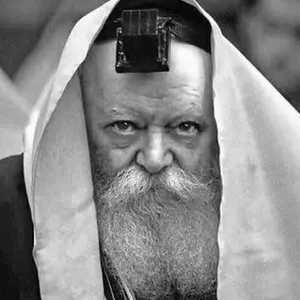

The bracha upon seeing one's friend
[1] (Halacha 733)
Question: In these days, when we are in the midst of a difficult deal, may Hashem have mercy on the People of Israel, a question arises: whether, and what, the families of the hostages need to bless when they see their family members after not having seen them for more than a year?
Answer: The Gemara in Maseches Brochos1 says: 'Rabbi Yehoshua ben Levi said: One who sees his friend after thirty days says: Blessed is He Who has kept us alive, sustained us, and brought us to this time; after twelve months — he says: Blessed is He Who revives the dead.'
And regarding the reason for this, Rabbeinu Yonah2 wrote: 'After twelve months one blesses "Who revives the dead," because he has been forgotten from the heart, just as the dead is forgotten after twelve months, as it is written "I have been forgotten like a dead man out of mind; I have become like a lost vessel" — just as a person despairs of a vessel when he has lost it and not found it within twelve months, so too the dead is forgotten from the heart after twelve months.'
And the Maharsha3 wrote: 'After twelve months etc. Because every year a person is judged on Rosh Hashana and Yom Kippur whether to die or to live; and if one sees him after this Rosh Hashana and Yom Kippur and afterward does not see him until after the following Rosh Hashana and Yom Kippur, behold the judgment of whether to die or not has passed over him, and therefore one says "Blessed is He Who revives the dead," for he was saved from the judgment of death on Rosh Hashana and Yom Kippur. And now it is well understood why it brings here the statement of Rav, which also speaks of David, who was alive, and said that after a year passed over him he is forgotten like the dead and one must bless over him "Blessed is He Who revives the dead," and he compares him to a lost vessel as Rashi explained, that when a year has passed over it, it is entirely lost and need not be announced; and nevertheless if the owner of the lost object finds it afterward, behold he returns it to him — so too with a person, when a year has passed over him and one does not see him, behold he is like lost and dead, and if he is found one is obligated to bless over him "Blessed is He Who revives the dead," for He granted him life in the judgment of Rosh Hashana and Yom Kippur, and understand this well.'
And the Tosafos wrote: 'One who sees his friend after 30 [days] says Shehecheyanu. Ri says: specifically his friend who is dear to him, but otherwise no.'
And so wrote the Rabbeinu Yonah there: 'specifically regarding his friend in whose sight he rejoices, but regarding other friends no.'
Thus it is explained in the Rishonim that this bracha is recited only over close friends in whose sight one rejoices.
And as a matter of halacha the Mechaber4 wrote: 'One who sees his friend after thirty days says Shehecheyanu, and after twelve months blesses5: "Who revives the dead," and this is when he is very dear to him and he rejoices in seeing him.'
And the Bach6 wrote: 'And it certainly implies that after twelve months, since one blesses "Who revives the dead," one should not bless Shehecheyanu, as above, that when one blesses "Who is good and does good" one does not bless Shehecheyanu, for Shehecheyanu is included in "Who is good and does good"; here too it is included in "Who revives the dead" — that Shehecheyanu is also included. And so is the implication of all the poskim, and I found that the Maharshal wrote (in his commentary on the Tur) that he thus received from his teachers, and it is obvious.' And so wrote the Magen Avraham7.
And so wrote the Chida8 in the name of his grandfather Mahar"a Azulai: 'One blesses "Who revives the dead" etc. There is room for doubt whether one should also bless Shehecheyanu. And it is written in the sefer Zichron Moshe: it appears to me [one should bless] "Who revives the dead" and not Shehecheyanu, and one should not infer that one blesses two [brochos] from the fact that it says "and after twelve months," for in the Gemara (58b) it reads "after twelve months" without a vav.'
★ ★ ★
Question: Is there a difference between men and women in this bracha?
Answer: The Rashba wrote in a responsum9, and it is brought in the Beis Yosef10: 'And you further wrote what you asked regarding the bracha of one who sees his friend — whether women are included in this like men or not. Answer: I know of no distinction in this between males and females.'
And so wrote the Levush11: 'And there is no distinction in this bracha between men and women; in all of them their law is the same to bless.'
And the Eliyah Rabba12 wrote: 'And there is no distinction etc. Meaning, even if one sees a woman who loves him, one blesses.'
And so wrote the Birkei Yosef13: 'Maran wrote in the Beis Yosef that there is no distinction between males and females, and he arrives at this in the name of the Rashba. And it is obvious that a man blesses over a woman and a woman blesses over a man.'
Except that Mahar"i Chagiz wrote in Shu"t Halachos Ketanos14: 'That which the Rashba z"l wrote, that there is no distinction between males and females — this is regarding his daughter, his sister, his mother, and his wife; but regarding other women there is room to distinguish.'
And the Shaarei Teshuvah15 wrote: 'And see the Birkei Yosef, that it is obvious a man blesses over a woman and a woman over a man; and see the Halachos Ketanos, that this is [regarding] his wife, his mother, his daughter, and his sister, see there — and accordingly, a woman who blesses over a man is likewise specifically in such a case.'
And so wrote the Alter Rebbe in Seder Birchos HaNehenin16: 'And women too bless thus over seeing their [female] friends when they rejoice in seeing them, and likewise a man over a woman, such as his mother or his daughter or his sister.'
In the coming halachos we will see further details in this law.
Notes:
1 נח, ב ↩
2 מב, ב מדפי הרי"ף ↩
3 חידושי אגדות בברכות שם ↩
4 שו"ע או"ח סי' רכה ס"א ↩
5 כתב האשל אברהם (בוטשאטש) סי' רכה שם: 'ברכת מחיה על ראיית חביבו *היינו י"ב חודש גם בשנת עיבור*, כי לא הוזכר בכך לשון שנה רק חדשים'. וכ"כ הגר"ח נאה קצוה"ש סי' סו בבדה"ש ס"ק ו: *'ומסתבר דחדש העבור עולה למנין הי"ב חודש*, כמ"ש ביו"ד סי' שצ"א לענין י"ב חדש דאבילות והוא מהרא"ש במו"ק ד' כב שכ' דסתם י"ב חדש גם העבור עולה למנין, וגם הסברא נותנת דטבע שמחת הלב או טבע השכחה שמשתכח כמו מת אינו משתנה בין שנה פשוטה למעוברת, ובמקום שאין חדש העבור עולה למנין מפרש אותו השו"ע כמו לענין בכור ביו"ד סי' שו'. ולהעיר מגליוני הש"ס ברכות נח, ב, ומש"כ משו"ת שבות יעקב עיי"ש ↩
6 או"ח סי' רכה ↩
7 סי' רכה ס"ק ב ↩
8 ברכ"י ס"ק ג ↩
9 שו"ת החדשות מכת"י הוצאת מכון י-ם סי' טז ↩
10 או"ח סי' רכה ↩
11 או"ח סי' רכה ס"א ↩
12 על הלבוש שם ס"ק ג ↩
13 שם ס"ק ב ↩
14 ח"א סי' ריג ↩
15 שו"ע שם ס"ק א ↩
16 פי"ב ס"יא ↩
[2] (Halacha 734)
Question: What is the ruling regarding a friend one has never seen, but with whom there was contact through letters and the like, and now one sees him — does one bless? And what is the ruling regarding a friend one saw in the past, but who went to another place, though during that time they had contact through letters and the like?
a) Regarding a friend one has never seen:
The Rashba wrote in a responsum1: 'You asked about one who has never seen his friend, and they send letters to one another, and now he saw him. What should he bless if he derives pleasure from seeing him? Answer: One who has never seen his friend — I do not see that he would be obligated to bless anything. For if one were to bless over everyone from whose sight he derives pleasure, the brochos would be many. And they said [this] only regarding his friend who is accustomed to being with him. For regarding one he has never seen, this distinction is not found — that with the bracha of one who has not seen his friend for 30 days one blesses Shehecheyanu, and after twelve months one blesses "Who revives the dead." For if he had never seen him, all the more so twelve months have passed and he would bless "Who revives the dead." Rather, they said [this] only regarding one who saw his friend and afterward he became hidden from him — that over one over whom 30 days have passed he blesses Shehecheyanu, and if twelve months have passed over him he blesses "Who revives the dead," for this one, in seeing him now, is as though he was hidden from him and died, and now he has returned and been revived.'
And as a matter of halacha the Mechaber2 wrote: 'One who has never seen his friend, and sent him letters, even though he derives pleasure from seeing him, does not bless over seeing him.'
And the Levush3 explained: 'Since he is not intimately familiar with him, there is no way to rejoice with him so much.' And so wrote the Pri Megadim4: 'Even though he now sees him, nevertheless since he became a friend to him only through correspondence, there is not so much love, and there is no joy now, except when one is intimately familiar with him.'
And the Shaarei Teshuvah5 wrote: 'And this is to say that even though he was accustomed to sending letters and correspondence back and forth to one another, nevertheless since he did not join with him face to face, there was never so much love that he would derive pleasure and rejoice in seeing him.'
b) A friend one saw beforehand, and during the time they were apart from one another they had contact through letters:
Mahar"i Chagiz6 wrote, brought in the Be'er Heitev7: 'Question: His friend whom he saw and who left the city, and within 30 [days] he received a letter from him — should he say Shehecheyanu when he comes, and likewise "Who revives the dead"? Or when people come who informed him of his welfare? Answer: It is possible that "Who revives the dead" he should not say, for there is here no "I have been forgotten like a dead man out of mind," but Shehecheyanu, which is upon seeing the face, he should say.'
And so wrote the Chida8 in the name of his grandfather Mahar"a Azulai: 'And I heard that this — that one blesses "Who revives the dead" — is specifically when one does not write letters to him and does not know of his welfare; but if he knew of his welfare, or he wrote him a letter, he does not bless.'
And the Shaarei Teshuvah9 wrote: 'And that which is [written] in the name of the Halachos Ketanos, regarding one who received a letter from him etc., and see there, that it implies that even if people came who informed him of his welfare; and likewise in the Birkei Yosef in the name of Mahar"a Azulai [his grandfather], it implies that even if he knows of his welfare, though he did not write to him, he does not bless — and this requires further study.'
Except that the Gaon Rabbi Shlomo Germizan10 wrote: 'Since the essence of the bracha is upon the joy of seeing his face, even though he saw his letters within 30 days or within twelve months, he blesses over him — for this reason, which he explained: that if [it were] upon reading the letter it would be as though seeing his face, then one who reads his friend's letter after 30 days or after twelve months would bless over him.'
Thus the Acharonim disputed as to the ruling when, during the twelve months, he received letters or greetings of welfare from his friend — whether he should bless "Who revives the dead" or Shehecheyanu11.
And in the view of the Alter Rebbe: behold, in Luach Birchos HaNehenin12 he wrote: 'One who sees his friend who is very dear to him and rejoices and derives pleasure in seeing him, if he has not seen him for twelve months — and needless to say if he has never seen him — must bless "Blessed are You, Hashem our God, King of the universe, Who revives the dead," and if he has not seen him for thirty days he blesses Shehecheyanu. And even if there are also others who derive pleasure from seeing him, he blesses only Shehecheyanu and not "Who is good and does good," since this is not a benefit but only joy of the heart alone. But if he did not see him now, but only sent him letters, even though he derives great pleasure in seeing those [letters] because he has not seen him for a long, long time, or because he has never seen him, he does not bless over seeing them.'
But in Seder Birchos HaNehenin13, which was written after the Luach, he wrote: 'One who sees his friend who is very dear to him and rejoices and derives pleasure in seeing him, if he has not seen him for thirty days he blesses Shehecheyanu, and if he has not seen him for twelve months he must bless "Blessed are You, Hashem our God, King of the universe, Who revives the dead." And even if he had knowledge of him in the meantime, whether in writing or orally — for the essence of the bracha is upon the pleasure and joy of the heart in seeing his face ..'
And the Gaon Rabbi Chaim Naeh14 wrote: 'And the Rebbe, in the first Luach Birchos HaNehenin, wrote that it is needless to say "if he has never seen him" that he must bless "Who revives the dead," and he further wrote there that if he did not see his friend but received a letter from him, even though he derives pleasure in seeing him, he does not bless. It appears that he interprets the words of the aforementioned Shulchan Aruch "and sent him letters" as meaning that he did not see his friend himself but saw the letters that he sent; and that which is written in the Shulchan Aruch "never [seen him]" is for emphasis — even if he has never seen him; but if he sees his friend, even though he had not yet seen him before this, he blesses. But in Seder Birchos HaNehenin, where the Rebbe omitted the words "and needless to say if he has never seen him," it implies that he holds like the interpretation of the Shaarei Teshuvah, that if he did not see him before this he does not bless.'
The Rebbe15 quoted the gist of his words: 'And from the fact that he omitted [it] here, it implies that he holds like the Shaarei Teshuvah 225:2.'
Thus from the words of the Alter Rebbe it is understood: a) that one does not bless over one whom he has never seen. b) that even if there was knowledge in the meantime he blesses "Who revives the dead," as the words of the Gaon Rabbi Shlomo Germizan, and not like the words of the Halachos Ketanos who [holds] that one blesses the bracha of Shehecheyanu.
In the coming halacha we will see further details in this law.
--------------
Notes:
1 שו"ת ח"ד סי' עו ↩
2 שו"ע או"ח סי' רכה ס"ב ↩
3 או"ח סי' רכה ס"ב ↩
4 שו"ע שם א"א ס"ק ג ↩
5 שם ס"ק ג ↩
6 שו"ת הלכות קטנות סי' רכ ↩
7 שו"ע שם ס"ק א ↩
8 ברכ"י שו"ע שם ס"ק ג ↩
9 שם ס"ק א ↩
10 שו"ת משפטי צדק או"ח סי' כט ↩
11 להעיר מדברי המשנ"ב סי' רכה ס"ק ב: 'לאחר שלשים יום - מראיה ראשונה. ואם קיבל ממנו כתב או שאנשים הודיעוהו משלומו יש דעות באחרונים וספק ברכות להקל'. אלא שכפי שהעירו האחרונים (ראה שו"ת יחוה דעת ח"ד סי' יז) דבריו צ"ע שהרי כנ"ל ההלכות קטנות קאי על ברכת מחיה המתים, ולא על שהחיינו ↩
12 פי"א סכ"ב ↩
13 פי"ב סי"א ↩
14 תו"מ על ברה"נ אות כג ↩
[3] (Halacha 735)
Question: What is the wording of the bracha "Who revives the dead" over one's friend whom one has not seen for twelve months?
Answer: The Gemara in Maseches Brochos, which was brought in Halacha number 733, says: 'Rabbi Yehoshua ben Levi said: One who sees his friend .. after twelve months — says Blessed is He Who revives the dead.'
And the Raavad1 wrote that these brochos are said without Sheim and Malchus, and this is his language: 'Know that they contain neither mention [of the Name] nor Malchus; and one who said that they contain mention and Malchus [did not agree with the essential principle]. And the general rule: every bracha that is not fixed and is uprooted from time to time does not require mention [of the Name] — for even the bracha of zimun, which is from the Torah, since it is uprooted from the bracha from time to time, does not contain mention and Malchus, and it is like an optional bracha, since the three have the option to eat each one by himself; all the more so these brochos, over which one has the option not to see this and not to see that. But certainly one who blesses over a mitzvah, which he is obligated to bless, requires mention and Malchus; nevertheless, regarding all of them, if one said mention and Malchus, he lost nothing.'
But Rav Nachshon Gaon already wrote in a responsum2 that the brochos in the chapter "One Who Sees" must be with Sheim and Malchus: 'And that which is written — do these brochos of "One Who Sees a Place" contain Malchus and mention of Hashem or not? Many of them contain mention of the Name, for we say: Rav said, every bracha that has no Malchus is not a bracha, and Rabbi Yochanan said, every bracha that has no mention of the Name is not a bracha — for if you do not say so, that which Rav Hamnuna said, "One who sees wicked Bavel is obligated to bless eight brochos," if you say [it is] well that they contain mention of the Name, that is why it says eight brochos; but if you say they do not contain mention of the Name, it should have said "he must say." And further it teaches, "he is obligated to bless over the bad in the manner of over the good and over the good in the manner of over the bad" — if you say it contains mention of the Name, that is why it says "he blesses"; but if you say it does not contain mention of the Name, it should have said "he says over the bad in the manner of over the good." And further, the beginning of the chapter teaches "Blessed is He Who performed miracles for our fathers in this place" — thus too that one does not bless with mention of the Name; from here we learn the reason of the matter. And from Rabbi Yochanan, who says "from where are these words [derived]?" Rabbi Yochanan said, for the verse says "And Yisro said, Blessed is Hashem." And if you say, why does it not say — whether in the Mishnah, or in the baraisos, or in the Gemara — "Blessed are You, Hashem," [the answer is] that there it is a mere allusion, for since it is [in] the Gemara it is not the time of the act; or if he said "Blessed are You, Hashem" it would be like uttering the Name of Heaven in vain.'
And so wrote many Rishonim, and as the Tosafos wrote3 [and so it is in the Mordechai4]: 'Rabbeinu Shemaya explained that all these brochos require mention of the Name and Malchus, "Blessed are You, Hashem our God, King of the universe," and so wrote Rabbeinu Shimshon of Coucy, for the Ri was accustomed to bless over lightning "Blessed are You, Hashem, King of the universe, Whose power and might fill the world," and so the Ri explained, and he brings the Yerushalmi of our chapter, Rabbi Zeira etc., every bracha that has no etc.'
And so wrote the Rosh5: 'And that which you asked, regarding the bracha of the sea and the rainbow and the like, that no Sheim and Malchus is mentioned in the Gemara for any of them — whether they require Sheim and Malchus: Know that all our teachers wrote thus, and also practice thus, to mention in them Sheim and Malchus, for there is no bracha without Sheim and Malchus; for why should these brochos differ from all other brochos, and one should not be concerned with the words of the Raavad z"l in these matters. And that which he brought a proof from "Blessed is the Merciful One Who gave you to us and did not give you to the dust," the Tosafos explained that he said "Blessed is the Merciful One, Master of the world" — behold he mentioned Sheim and Malchus. Rather, the Gemara abridged the wording of the bracha, as it abridged regarding the sea and rainbow and the like, and did not mention Sheim and Malchus in them, even though one must mention them.'
And so ruled the Mechaber6: 'Every bracha that does not contain mention of Sheim and Malchus is not a bracha; and if one skipped Sheim or Malchus, he must repeat the bracha.'
And so wrote the Alter Rebbe in the Shulchan Aruch7: 'Every bracha that does not contain mention of the Name is not a bracha, and every bracha that opens with "Blessed" must also state Malchus in its opening, and if not, he has not fulfilled [his obligation].' And he repeated his words in Luach Birchos HaNehenin8: 'But whatever one is obligated to bless — this bracha according to all opinions, whether this bracha or the other brochos of seeing, even though they are not over a benefit and not over a mitzvah but are praise and thanksgiving in order to always remember the Creator — behold they are like the other brochos of obligation, which require blessing with Sheim and Malchus, and if one skipped Sheim and Malchus he has not fulfilled his obligation and is obligated to repeat the bracha.'
Except that regarding the bracha "Who revives the dead," the Shu"t Panim Me'iros9 [brought in the gloss of the Rekakah (Rabbi Akiva Eiger)10] wrote that one does not mention Malchus in it, and this is his language: 'In the Tur O"Ch siman 225, "One who sees his friend after twelve months blesses Who revives the dead" — I was in doubt as to how one should bless this bracha, whether with Sheim and Malchus or without Sheim and Malchus, since the wording of this bracha is in the Shemoneh Esrei, and there Malchus is not mentioned, as the Tosafos of Brochos [and] the Magen Avraham wrote that it is like Sheim and Malchus, because it made known His Godliness, and they are all a bracha adjacent [to another]; and if so, likewise when one blesses over his friend one blesses without Malchus. And it was resolved for me from that which is in Rabbeinu Yonah at the beginning of Brochos, regarding one who wishes to interrupt, that even if one already recited Shema in the congregation, nevertheless when he recites it at home at the emergence of the stars he says "with an eternal love," and he wrote: And if you say, since he does not recite the bracha of "Who brings on the evening," it is a bracha not adjacent to its fellow, and every bracha not adjacent to its fellow must open with "Blessed" — one may answer that since in its place it was adjacent to its fellow, there is no concern now if it does not open with "Blessed," for we find something like this in the Talmud regarding Tefillas HaDerech, which does not open with "Blessed" and concludes with "Who hears prayer," because since in the Shemoneh Esrei "Who hears prayer" is adjacent to its fellow, if now it is not adjacent to its fellow we are not concerned about this — end of quote. And likewise I found in the Magen Avraham in O"Ch siman 63, [that] the order of the brochos is not indispensable, so that if one advanced the second [bracha] before the first he fulfilled his obligation of the [Shema] brochos, and he also wrote the reason: that even though it does not open with "Blessed" and every bracha that has no Malchus is not a bracha, nevertheless since it was instituted adjacent to its fellow, even when one recites it by itself it contains no Sheim and Malchus; and in the responsa of the Rashba siman 317 the reason is written, because it is a short bracha, and this requires study. If so, in our case too there is no need to mention Malchus in it, and this is simple and clear.'
But the Magen Giborim11 responded to his words: 'And in my humble opinion it appears that only if one recites that [same] wording, except that it is not adjacent to its fellow at present, do we properly say, since it is sometimes adjacent it does not matter to us; but here this is not the bracha of "Who revives the dead" that is in the Shemoneh Esrei — it is only a bracha in its own right and requires all the laws of a bracha regardless; also there [the Magen Avraham] left the words of the Kesef Mishneh in question, and there is a clear proof for this, for in the Yerushalmi, chapter "Tefillas HaShachar," they said: one who awakens from his sleep must say "Blessed are You, Hashem, Who revives the dead" — behold that he blesses with the Name, and consequently also with Malchus; and this must be because since it comes in place of "Who returns souls to dead corpses," and see the Pri Chadash siman 46, it has no relation to the Shemoneh Esrei, and the same applies here, and this is clear.'
And in practice the Acharonim disputed the Panim Me'iros, as the Mishnah Berurah wrote12.
And as is explicit in the language of the Alter Rebbe in Seder Birchos HaNehenin13, where he wrote that one blesses: 'Blessed are You, Hashem our God, King of the universe, Who revives the dead.'
Notes:
1 כתוב שם לראב"ד ברכות מד, א ↩
2 אוצר הגאונים ברכות סי' שנב ↩
3 ברכות נד, א ↩
4 ברכות רמז רח ↩
5 שו"ת כלל ד סי' ג ↩
6 או"ח סי' ריד ס"א. וראה ג"כ הלכה מספר 288 ↩
7 שו"ע סי' ריד ס"א ↩
8 פי"ב ס"ד ↩
9 ח"א סי' סו ↩
10 על השו"ע סי' רכה שם ↩
11 סי' רכה ס"ק ב ↩
12 שם ס"ק ג ↩
13 פי"ב סי"א ↩
[4] (Halacha 736)
Question: Is it also customary today to recite these brochos upon seeing one's friend?
Answer: Regarding the bracha of Shehecheyanu, the Yosef Ometz1 wrote that in his era they blessed only over close family members, and this is his language: 'One who sees his friend who is very dear to him and rejoices in seeing him blesses Shehecheyanu if he has not seen him within thirty [days]. And because such friends are few, therefore people are not scrupulous about this bracha. Indeed, for his brother and his sister, and all the more so for his son and his daughter, or his father and his mother, who are presumably most dear to him, it is a full obligation to bless.'
And the poskim after him added that in general it was not the custom to bless, as the Eishel Avraham (Butschatsch)2 wrote: 'And likewise it has fallen into disuse to bless Shehecheyanu and "Who is good and does good" upon their seeing one another; and it is good only in thought or in a secular language.'
And so wrote the Ben Ish Chai3: 'Even though by law one must bless with Sheim and Malchus, since people did not have this custom, and there is also some basis of reason for the custom, therefore one should bless without Sheim and Malchus and think Sheim and Malchus in his heart.'
And in Chesed La'alafim (by the author of the Pele Yoetz) he wrote4: 'One blesses Shehecheyanu, and this is when he is very dear to him and he rejoices in seeing him, such as one who was on a journey and came home and returned to his city; but over another, it is better that they not have the custom to bless with Sheim and Malchus, for flattery has grown strong and there is one who shows himself as a friend outwardly, while within he sets his ambush.'
The Minchas Elazar of Munkatch wrote to explain in Nimukei O"Ch5: 'And one can say a reason for this: since we require specifically his friend who is very dear to him, as mentioned, and behold, in our many sins, in our exile there is envy of one man for his fellow and baseless hatred or an offshoot of envy and the like, and outwardly he acts pleasantly toward him and steals his mind, and most of them, virtually all, have been caught, God spare us, in this falsehood, and they call it "politics" (and this is from a root bearing sins that impede the redemption, see Keli Yakar Parashas Bechukosai on the verse "and the sound of a driven leaf shall pursue them" etc., and this is not the place to elaborate). And if this custom were according to halacha to bless Shehecheyanu over his dear friend as mentioned, then they would recite brochos in vain a hundred times and more each day — for if he does not bless then, it would perforce appear that he is not dear to him, and then he would cause him harm covertly, to his property or his standing, and he could many times cause harm to the religious community many times; and therefore they permit themselves, for the sake of the ways of peace, to bless at every occasion so that his friend will see that he is dear to him, but in truth they recite brochos in vain without end .. and because of the prohibition of "You shall not take [the Name]" in vain of His great Name, may He be blessed, therefore "the custom of Israel is Torah," perhaps by reason of the sages of the generations, because of "do not distinguish," not to bless at all in this as mentioned.'
And similarly the Gaon Rabbi Shlomo Zalman Auerbach6 wrote that it is possible that the reason they do not bless is because this bracha applies only if he truly rejoices, and in our times there is concern that out of courtesy and the like he would bless, and therefore they do not bless. But in exceptional cases he should bless.
And to note that the Rebbe, in the meeting with the Chief Rabbis on the 11th of Iyar 57497, regarding the bracha of Shehecheyanu after 30 days, said: 'According to halacha — "One who sees his friend after thirty days blesses Shehecheyanu," but I have not seen people practicing thus, and the reason that they do not practice thus requires study,' and Rabbi Shapira said to the Rebbe: that it is possible that the reason they had the custom not to bless is because there is doubt whether the joy in seeing him is wholehearted. However, the Rebbe remarked on this: 'It is stated in the poskim that regarding the bracha of Shehecheyanu one is not so scrupulous about the doubt, and in several cases one blesses even when there is doubt, for according to the command "וְאָהַבְתָּ לְרֵעֲךָ כָּמוֹךָ" ("Love your fellow as yourself") .. certainly every Jew (and especially since the Torah speaks of the majority) rejoices in seeing his friend ..'
And Rabbi Yosef Yedid wrote in Shu"t Birkas Yosef8: 'Despite all this, they did not have the custom to bless this bracha, and we have not found nor heard of anyone who blessed this bracha of Shehecheyanu after thirty [days], nor "Who revives the dead" after twelve months; and certainly the reason is that they did not have the custom to bless this bracha because his friend must be very dear to him and he must rejoice in seeing him, and out of doubt — for a person cannot know to what degree his friend is very dear to him, and our teachers did not use [the term] "dear to him" plainly but "very [dear] and he rejoices in seeing him," and in our many sins in this time would that his friend were a little dear to him — therefore they refrain from blessing; but in any case, there could be found, such as a brother to his brother, or at least a father to his son, who certainly without doubt — a father rejoices greatly in seeing his son, and especially if he is his only son or his only daughter, and especially if he has not seen them for several days, so that he rejoices greatly upon seeing them, certainly without doubt — and despite all this we have not seen nor heard of anyone who blesses this bracha; and in my humble opinion, if it is clear to him and he feels within himself that he is very dear to him and he rejoices in seeing him without doubt, he must bless with Sheim and Malchus.'
And the Gaon Rabbi Ovadia Yosef9 agreed with him: 'Nevertheless, one who knows within himself that his friend is truly dear to him and he rejoices in seeing him should bless Shehecheyanu with Sheim and Malchus .. And so it is written in the sefer Masaos Yerushalayim (page 71), that the Admor of Munkatch, the Gaon Rabbi Chaim Elazar Shapira zt"l, author of the Minchas Elazar, blessed Shehecheyanu with Sheim and Malchus when he saw the holy countenance of the Gaon, the holy elder Rabbi Shlomo Eliezer Alfandari zt"l10 .. and every person knows within himself.' And so he wrote there in the summary of the responsum.
And to note from the words of the Rebbe in the visit of the Chief Rabbis there: 'In any case, even though it is not the custom to bless Shehecheyanu upon seeing one's friend — certainly one is not particular about the fact that someone wishes to bless Shehecheyanu, and they answer Amen wholeheartedly .. and the main thing is that the matter exists in practice — "Who has kept us alive, sustained us, and brought us to this time."
Thus we have seen that the prevalent custom is not to bless Shehecheyanu at all upon seeing [someone] after 30 days; however, some wrote that when it involves close family members who rejoice greatly in seeing them one should bless, and likewise some permitted [it] in situations of special joy.
In tomorrow's halacha we will see regarding the bracha "Who revives the dead."
Notes:
1 ח"א דיני ברכות פרטיות סי' תנא ↩
2 סי' רל ס"ד ↩
3 ש"א עקב סי"ד ↩
4 הל' ברכת ההודאות אות טו ↩
5 סי' רכה ס"ק א. וראה גם בלקוטי מהרי"ח ח"א, עמ' קצב,ב ↩
6 הליכות שלמה תפלה פכ"ג סי"ב ↩
7 תו"מ ח"ג ע' 127 ↩
8 ח"ב אות ז סי' כ קנד, ב ↩
9 שו"ת יחו"ד ח"ד סי' יז ↩
10 וציין לשו"ת הר צבי חאו"ח סי' קטו. ושו"ת יין הטוב סי' מח ואילך שדנו בסיפור זה ↩
[5] (Halacha 737)
Question: Is it customary to recite the bracha "Who revives the dead" when one sees someone after twelve months?
Answer: We saw in the previous halacha that also regarding the bracha of Shehecheyanu many poskim wrote that it was not the custom to bless [except in special cases].
Likewise, many of the aforementioned poskim wrote regarding the bracha "Who revives the dead" after twelve months that it was not the custom to bless it, and so it is written in Likutei Maharich1: 'And behold, the world does not bless these brochos, and it is possible [this is] because we require [him to be] very dear to him and [that] he rejoices in him, and who can determine how one is called "very dear to him"; and in our many sins all joy has faded and no one rejoices in his friend, and despite all this "every prudent man acts with knowledge."'
And moreover, the Minchas Elazar of Munkatch in Nimukei O"Ch2 wrote that in the bracha "Who revives the dead" the concern is greater than in the bracha of Shehecheyanu: 'And especially when he has not seen him for twelve months, that he should bless "Who revives the dead," which also requires only [that he be] dear to him, and the bracha "Who revives the dead" the Gemara did not say to be optional; and if so, it is certainly a bracha in vain when he is not required to bless it.'
Also the Ben Ish Chai, who regarding the bracha of Shehecheyanu proposed blessing without Sheim and Malchus, nevertheless wrote regarding the bracha "Who revives the dead"3: 'If one saw his friend after twelve months he blesses "Who revives the dead" without Sheim and Malchus, but we have not seen nor heard of anyone blessing this bracha over his friend even without Sheim and Malchus, and it is possible [this is] because people's minds are pained that [others] bless over them thus; therefore he should think this entire bracha in his heart in order to fulfill the words of the Sages.'
And behold, in addition to the reasons brought regarding the bracha of Shehecheyanu, which the poskim used also regarding the bracha "Who revives the dead," the Gaon Rabbi Ovadia Yosef wrote in Yechaveh Da'as4 that we have never heard that people bless this bracha of "Who revives the dead," and he explained that it is possible this is in order to be concerned for the view of the aforementioned Halachos Ketanos, who holds that if there was communication between them by letter and the like one does not bless: 'Therefore, since today sophisticated means of communication have been developed — telephones and telegraphs, "throughout all the earth their voice goes out and to the end of the world their words," besides a fixed post office in every city and every country, and also tourists traveling by planes to every place, and it is possible to know through them of one's friend's welfare, and it will not fail that within a year he heard of his good welfare — therefore they did not have the custom to bless this bracha'5.
Thus we have seen that it is not customary to bless the bracha "Who revives the dead" over one's friend [however, in special cases6 (and likewise in our case regarding the hostages who, thank God, return alive) where they were in a place of danger, and especially since their situation was not known, it stands to reason that even the poskim who wrote that one does not bless would agree that one may bless "Who revives the dead"7].
Notes:
1 ח"א ע' קצה, ב ↩
2 סי' רכה ס"ק א ↩
3 ש"א פרשת עקב סי"ג ↩
4 ח"ד סי' יז ↩
5 אך ראה מה שהובא בהלכה מספר734 שהגר"ש גרמיזאן חלק על ההלכות קטנות וכתב שגם כשהיו מכתבים, מברכים כי הברכה היא על ראיית הפנים וכן דעת אדמו"ר הזקן שיש לברך מחיה המתים ↩
6 ראה בהלכה הבאה לגבי ילדה אשתו, ורבו ↩
7 בנדון החטופים (מכיון שיש חשש ממשי לחייהם כל זמן שהם בידיהם) י"ל שגם הפוסקים הנ"ל שכתבו שכשאר היה מכתבים מהם אין מברכים מחיה המתים כאן יסכימו ↩
[6] (Halacha 738)
Question: We saw in Halacha 734 that over a friend one has never seen one should not bless — is there a difference in this when it involves a special joy, such as upon seeing a great one of Israel?
Answer: In the sefer Seder Eliyahu1 the Gaon Rabbi Eliyahu David Rabinowitz-Teomim (the Aderes) relates that when he came to visit the Netziv of Volozhin, even though they had never met, 'the Netziv rose in haste and with trembling to his full height and blessed aloud, with Sheim and Malchus, the bracha of Shehecheyanu .. all who heard were astonished at how greatly the love of the Torah and its learners burned in his heart, to bless over me Shehecheyanu with Sheim and Malchus, and I added, saying to them, that according to the law one should not bless Shehecheyanu over a person dear to him whom he has never seen, as is written in the responsa of the Rashba and in the Shulchan Aruch O"Ch at the beginning of siman 220, but that his reasoning is that the joy is not complete when he did not recognize [him] face to face — but this innocent tzaddik knew in his soul how greatly his heart's joy had grown upon seeing me, and it was the delight of his soul in completeness; therefore he may properly bless, "how great is the power of this my tree."'
And in the sefer Masaos Yerushalayim2 it is related that the holy Rebbe, the author of the Minchas Elazar of Munkatch, blessed Shehecheyanu when he first saw Rabbi Alfandari: 'And our teacher, like flowing streams the tears of his eyes wept out of joy, and in a voice hewing flames of fire he blessed the bracha of Shehecheyanu with Sheim and Malchus, and all the people answered Amen, and the holy elder too with a radiant, beaming countenance, and all those standing around were greatly moved and stirred.'
Except that some questioned the conduct of the holy Rebbe of Munkatch, as Rabbi Yitzchak Nissim wrote3, who elaborated at length in a responsum to explain that one should not bless in a case where one has never seen his friend, and he also discussed4 the bracha that the holy Rebbe of Munkatch blessed: 'I spoke then with Rabbi Mahar"sha Alfandari about this and briefly presented before him what I wrote in the previous siman, but the words that they reported in my name are not correct — that he told me that the aforementioned Rabbi has upon what to rely; on the contrary, he told me plainly that the law is so, that one should not bless, and he also told me that it is true, that which I wrote, that he did not hear him bless; but he also told me: since he (the Rabbi of Munkatch) is a scholar, he himself knew that he was not required to bless, and there is no need to point this out to him, nor to speak of this matter in any place, lest his opponents find in this a matter for the beginning of a dispute, God forbid, etc., and he concluded: would that his departure be like his arrival, without dispute — such were his words to me in a pleasant manner.'5
But several of the Acharonim already wrote to explain and justify this conduct, as is written in the sefer Masaos Yerushalayim6: 'And in truth our master [the aforementioned Gaon Av Beis Din of Munkatch, may his merit protect us] had his reasoning and rationale with him, for it depends on the stirring of the soul, a matter entrusted to the heart, and since he felt such tremendous joy (which his heart had cherished — this good matter — for several years, and he leaped over the mountains and hills until he attained this, with God's help), he could not restrain his spirit, out of holy affection, from thanking Hashem's Name. And also, follow the reasoning of that which the Magen Avraham wrote there in this language: since he did not see him he does not love him so much, see there. And here, behold our master loved (may there be a distinction between the living and the departed) the holy elder with actual self-sacrifice, more than his own body and with all his heart, as mentioned. And see in the sefer of his master, Shu"t Minchas Elazar (vol. 4, siman 65), what he wrote in the name of the Bach, and the Yeshuos Yaakov upheld him: that since the bracha of Shehecheyanu is only optional, one may bless even in doubt if he was stirred with joy, see there well.'
And the explanation of the matter is that on the words of the Shulchan Aruch7: 'One who has never seen his friend, and sent him letters, even though he derives pleasure from seeing him, does not bless over seeing him,' the Magen Avraham8 wrote: 'Since he did not see him he does not love him so much.'
And likewise the Pri Megadim wrote on the Magen Avraham there: 'See the Magen Avraham. Even though he now sees him, nevertheless since he became a friend to him only through a letter, there is not so much love, and there is no joy now, except when one is intimately familiar with him. This is not the case [where] his wife gave birth and he was overseas and they now saw him — he blesses Shehecheyanu or "Who revives the dead," for he certainly has joy in his child.'
And on this basis the Shu"t Har Tzvi9 also wrote in a response to the words of the aforementioned Rabbi Nissim: 'One can say that even the Rashba said [this] only regarding ordinary people in whose sight there is no joy, whereas in the case of the Pri Megadim, where it is known that he has joy, the law reverts, that he is obligated to bless. Accordingly, one can justify that incident of the Gaon Av Beis Din of Munkatch who blessed, because it was clear to him within himself that he rejoices in his heart upon seeing him; and also according to the Rashba, in such a case, where there is an assessment [establishing] the joy of his heart, he may properly bless.'
And see also in the Shu"t Ribevos Ephraim10: 'And I was asked several times by people who had a first-time meeting to meet my teacher and master the great Rabbi, Rabbi Moshe Feinstein zt"l, whether they had to bless Shehecheyanu, since he is dear [to them] and it is a joy for them, and I answered that they should have blessed Shehecheyanu, and I based my foundation on the words of the Aderes zt"l who wrote the reason [that] one requires seeing him, since the joy is not complete when he did not recognize [him] face to face, but this innocent tzaddik knew in his soul how greatly his heart's joy had grown upon seeing me, and it was the delight of his soul in completeness; therefore he may properly bless — and the same is my argument here [regarding] the people who go to meet my teacher and master the great Rabbi zt"l, who were full of joy and felt as though they had seen him, and therefore they should bless Shehecheyanu .. and Shu"t Har Tzvi vol. 1 O"Ch siman 115, that the Av Beis Din of Munkatch blessed Shehecheyanu upon seeing him for the first time at the reception of the great one of the generation, the great Rabbi Mahar"sha Alfandari zt"l, and he wrote that one can justify his words because it was clear to him within himself that he rejoices upon seeing him, and also according to the Rashba, where there is an assessment [establishing] the joy of his heart, he may properly bless, end of quote. And this is a proof for our words above, that one should bless .. '.
In Yemei Bereishis11 it is related that the group of young men who arrived from Russia entered on the 4th of Shevat 5710 for a yechidus with the Rebbe [Rayatz]; before they entered for the yechidus, the young man Shalom Marozov asked the son-in-law — the Rebbe — whether one should bless over the Rebbe Rayatz the bracha "Blessed is He Who apportioned of His wisdom etc."? And the Rebbe answered him that 'a Rebbe is above that,' and that they should bless Shehecheyanu, and he added that they should say it aloud so that the Rebbe Rayatz could answer Amen to the bracha.
And so the members of Anash had the custom, upon their arrival at Beis Chayeinu, that they blessed the bracha of Shehecheyanu when they first saw the Rebbe.
Thus we have seen from the great ones of Israel that some had the custom to bless Shehecheyanu12 when they first saw an important rabbi, and likewise the custom of the Chassidim upon seeing the Rebbe.
Notes:
1 ע' פב ↩
2 ע' סב (הובא בהלכה מספר 736) ↩
3 שו"ת יין הטוב סי' מח ↩
4 סי' מט ↩
5 בהמשך דבריו כותב: 'והנה שוב הראני כבוד ידידי הר"ר אהרן פישר נ"י שבס' מסעות ירושלם הנ"ל בדף כ"א כתב שהגאב"ד דפעה"ק מוהרי"ח זוננפלד שליט"א קבל בספ"י ובשמחה רבה את האורח הגדול (הגאב"ד דמונקאטש הנ"ל) ובעינים דומעות בירך שהחיינו, ע"כ. ואמר לי הר"א פישר הנ"ל שזה ברור שלא ראו זא"ז לפני כן, ואמרתי לו לשאול מהרב מהרי"ח זוננפלד שליט"א פשר דבר זה וענהו שבירך שהחיינו בלא שם ומלכות, והתפלא על שכתבו בשמו שבירך שהחיינו בסתם כאלו בירך בשם ומלכות' ↩
6 שם בהערה 4 ↩
7 סי' רכה ס"ב ↩
8 ס"ק ג ↩
9 או"ח א סי' קטו ↩
10 ח"ו סי' קד ↩
11 ע' 55 ↩
12 כאמור לעיל יש מהפוסקים שהביאו ודנו בכך מהל' ראיית חבירו, אלא שיש להעיר: א) בירכו שהחיינו למרות שמדובר ביותר מיב חודש (וראה בהלכה הבאה אודות ברכת ראית מלך המשיח). ב) כנ"ל גם במקרים שהתראו לראשונה. ג) נהגו רק בראיה הראשונה, ולא פעם נוספת גם עם עבר שלושים יום. וראה בשו"ת יין הטוב שם צדדים נוספים למקור ברכה זו ↩
From the 'Shoneh Halacha' project — a daily halacha with reasons and sources
Link to the (silent) group: 'Shoneh Halacha — Chabad Minhogim'
Join the WhatsApp groupThe Shehecheyanu Bracha on the Geulah
[A] (halacha 742)
Answer: Regarding the bracha of Shehecheyanu in relation to the future redemption, may it come speedily in our days, we find reference also to the very seeing of the face of Moshiach Tzidkeinu, as follows:
a) The bracha of Shehecheyanu upon the redemption:
The Gaon Rav Chaim Palagi wrote1: 'A question. At the coming of our Moshiach, who shall come and redeem us speedily in our days, what bracha do we recite upon the redemption? For upon abundant good one recites Shehecheyanu and HaTov VeHaMeitiv2, and regarding the redemption of Israel let the teacher instruct us and his reward shall be doubled from Heaven. An answer. You have posed a difficult question, [asking] a halacha for the days of Moshiach, and it appears that we recite the bracha of "Go'el Yisrael" — Who has redeemed us from this bitter exile, in the order that they established at the end of the Haggadah: "and we shall thank You with a new song for our redemption and for the deliverance of our souls," and we recite "Ga'al Yisrael"; so too shall it be at the future redemption to come speedily in our days, and also the bracha of Shehecheyanu, for we have merited [to reach] this time, for we shall certainly establish the day of the redemption as a full Yom Tov, and to sanctify upon it with the sanctity of the day, and likewise to recite Shehecheyanu; and so I heard that such is the opinion of our teacher the Rav Knesses HaGedolah of blessed memory, to say that the day of the redemption is a full Yom Tov, and to recite Kiddush upon it, and included in the Kiddush of the day is to recite also "Zman"'.
If so, according to his words, on the day of the redemption they shall recite Shehecheyanu upon the very day, just as one recites on every Yom Tov upon the very special time3.
The Rebbe, in the sicha of Shabbos Parshas Bereishis 57514, said: 'And it must be examined whether one shall recite Shehecheyanu upon the coming of Moshiach Tzidkeinu — for seemingly, if we recite Shehecheyanu upon every joy, certainly one should recite Shehecheyanu upon the greatest joy [of all], the coming of Moshiach Tzidkeinu'.
Afterward, in the sicha of Shabbos Parshas Tazria-Metzora 57515, the Rebbe said: 'And moreover and principally, that all this comes about in actual deed, below ten handbreadths, such that one is able to give thanks and to recite a bracha upon the birth and revelation of Moshiach: "Shehecheyanu vekiyemanu vehigiyanu lazman hazeh." And likewise on Shabbos Parshas Vayeira 57526 the Rebbe said: 'And principally, that all this shall be openly and in actual deed, "pointing with his finger and saying: this," "behold this (the King Moshiach) comes," behold my revered father-in-law the Rebbe, the leader of our generation ("Awake and sing, you who dwell in the dust"), and "behold this is our God etc., this is Hashem for whom we hoped, let us rejoice and be glad in His salvation," the joy of the true and complete redemption openly and in actual deed7, upon which we then recite: "Shehecheyanu vekiyemanu vehigiyanu lazman hazeh"'8.
b) A bracha upon seeing the face of Moshiach: However, we have found an additional matter, namely the bracha of Shehecheyanu upon the very seeing of the face of Moshiach Tzidkeinu, as the Rebbe said on the night of Simchas Torah 57499: 'When we shall merit to see the face of Moshiach Tzidkeinu for the first time, it stands to reason that one shall need to recite "Shehecheyanu vekiyemanu vehigiyanu lazman hazeh," by way of a kal vachomer from the bracha of Shehecheyanu upon seeing one's fellow whom he has not seen for thirty days'.
And so it is in the words of the questioner in Minchas Shlomo10, that they shall recite Shehecheyanu at the coming of Moshiach.
[However, this requires examination: for if the bracha is by virtue of the law of one who sees his fellow, why indeed should they recite Shehecheyanu, and not the bracha of Mechayeh HaMeisim, as is the law of one who sees his fellow after twelve months?
And this question requires explanation also concerning what was explained in halacha 738, that a number of the great ones of Israel recited Shehecheyanu upon such [people] whom they had never seen; and one may add to this that also at the meeting of the Rebbe and the Chief Rabbis on the 11th of Iyar 5749, the Rebbe spoke with them about the bracha of Shehecheyanu, but the Gaon Rav M. Eliyahu remarked that seemingly the bracha ought to be the bracha of Mechayeh HaMeisim and not Shehecheyanu.
And in Shu"t Ateres Paz11 he discussed this at length, and concluded that they shall recite Mechayeh HaMeisim, and wrote: 'And behold, in the Har Tzvi, he further stood to examine the explanation of the words of the aforementioned Pri Megadim who wrote that one recites Shehecheyanu or Mechayeh HaMeisim — whether he means that he has permission to recite whichever bracha he wishes, or whether it is stated with respect to [two distinct cases], that after 30 days he recites Shehecheyanu and after 12 months he recites Mechayeh HaMeisim. And he brought there that from the Mishnah Berurah it is explained like the second view, that it is stated with respect to [two distinct cases]; however, he himself inclined there that he may recite whichever he wishes. See there. And in truth, according to these words of the Mishnah Berurah, that it is stated with respect to [two distinct cases], one must say that the fact that the Admor of Munkatch recited the bracha of Shehecheyanu and not Mechayeh HaMeisim, even though he had not seen the Maharsha for more than twelve months, is based on what the Mahar"i Chagiz wrote in Shu"t Halakos Ketanos (sec. 220), that if one received a letter from his fellow within twelve months, he should not recite Mechayeh HaMeisim upon him even though he did not see him until after twelve months .. And if so, one may say also here, for it is known that the Admor of Munkatch was in correspondence by letters and in exchanges of greetings through his associates with the Maharsha Alfandari .. and since that is so, he could not recite Mechayeh HaMeisim upon him, according to the opinion of the aforementioned poskim. [And even though the Gaon Rabbi Shmuel Garmizan in Shu"t Mishpetei Tzedek .. maintained that even if one received a letter from him within twelve months he should recite Mechayeh HaMeisim upon him when he sees him after twelve months, nevertheless in such a case we say "safek brachos lehakel," since the opinion of very many of the poskim is not so .. and therefore it remained for him to recite only the bracha of Shehecheyanu. However, at the coming of Moshiach Tzidkeinu speedily, with whom we are mindful of him and he is mindful of us, and there was no connection at all with him, indeed he shall need to recite Mechayeh HaMeisim, and this is easily understood'.
And indeed, seemingly the entire explanation is according to their approach, that in this law there is [the principle of] "safek brachos lehakel" on account of the dispute among the poskim; but according to us, who have already seen12 that the Alter Rebbe ruled like the Gaon Rav Shmuel Garmizan, that one recites [the bracha] upon the very seeing of the face, if so, the difficulty arises and stands firm: why did they say that one should recite Shehecheyanu and not Mechayeh HaMeisim. And this still requires examination].
If so, in practice several poskim wrote that they shall recite the bracha of Shehecheyanu on the day of the redemption, and the Rebbe added that it stands to reason that we shall need to recite Shehecheyanu also upon the very seeing of his face.
--------------
Notes:
1 Shu"t Lev Chaim vol. 2 sec. 42 ↩
2 And see what is discussed in the sefer Yemos HaMoshiach BeHalacha vol. 1 sec. 8 regarding the bracha of HaTov VeHaMeitiv ↩
3 He wrote in Shu"t Ateres Paz (vol. 1 sec. 21 Orach Chaim, notes sec. 15 note 1): 'And in truth, if these words of ours are correct, that upon the coming of "the breath of our nostrils, the anointed of Hashem" we recite upon him the bracha of Mechayeh HaMeisim, one must consider that which is explained in the aforementioned Shu"t Minchas Shlomo, that they should recite upon him Shehecheyanu; for according to what is explained from the words of these Bach and those who follow him, in this case where one recites Mechayeh HaMeisim one is exempted from the bracha of Shehecheyanu. However, one may say that this bracha of Shehecheyanu is not upon the very seeing, but rather upon the time of the redemption. And specifically the bracha of Shehecheyanu that is upon the seeing is exempted by the bracha of Mechayeh HaMeisim, because both of them are directed toward one matter, upon the joy of the seeing. And when one recites Mechayeh HaMeisim it is included in the "two hundred within the maneh," such that one need not recite the bracha of Shehecheyanu again. But this bracha of Shehecheyanu, which is upon the very time of the redemption, indeed it is not exempted, and it is to be recited on its own.' ↩
4 Toras Menachem vol. 1 p. 209 ↩
5 Toras Menachem vol. 2 p. 165 ↩
6 Toras Menachem vol. 1 p. 278 ↩
7 And see Likkutei Sichos vol. 37 p. 19 ↩
8 And note also from the sicha of Shabbos Parshas Yisro 5750 (Toras Menachem vol. 2 p. 284): 'And may we merit to make "Shehecheyanu vekiyemanu vehigiyanu lazman hazeh" — the time of the true and complete redemption through Moshiach Tzidkeinu, immediately and at once in actual fact' ↩
9 Toras Menachem vol. 1 p. 207 ↩
10 Kama sec. 91 subsec. 27 ↩
11 Referenced in note 9 ↩
12 In halacha 734 ↩
The Bracha of Shechalak Mikvodo Lirei'av
[1] (Halacha 741)
> The bracha of one who sees his fellow [9] - Brochos upon seeing Melech HaMoshiach (3)
Question: When seeing Melech HaMoshiach, will one need to recite the bracha "Baruch .. shechalak mikvodo li'rei'av" (Blessed is He who has apportioned of His glory to those who fear Him)?
Answer: The Gemara in Maseches Brochos1: 'One who sees the kings of Israel says: Baruch shechalak mikvodo li'rei'av (Blessed is He who has apportioned of His glory to those who fear Him); [one who sees] the kings of the nations of the world says: Baruch shenasan mikvodo l'basar vadam (Blessed is He who has given of His glory to flesh and blood)'.
And in defining [what constitutes] royalty, the Orchos Chaim wrote2: 'And the Raavad z"l wrote in a responsum that anyone who is prominent in governance and leadership like a king, and likewise executes [the death penalty] by law and there is no one who can protest against him, and he does not retract his word — turning their "no" to "yes" and their "yes" to "no" — even of the nations of the world, one recites a bracha upon him once every 30 days'.
And in halacha the Mechaber wrote3: 'Upon the kings of Israel one says: Baruch Atah Hashem Elokeinu Melech haolam shechalak mikvodo li'rei'av; and upon the kings of the idolaters one says: Baruch shenasan mikvodo l'basar vadam'.
The Alter Rebbe in Seder Birchos HaNehenin4 wrote only the law of one who sees the kings of the nations of the world and not the kings of Israel, and simply [the reason is] because this law is not practical, until the coming of Moshiach.
And regarding the significance of this bracha upon the kings of the nations of the world nowadays, the Gemara there in Brochos says: 'Rabbi Yochanan said: A person should always strive to run toward the kings of Israel, and not only toward the kings of Israel alone but even toward the kings of the nations of the world, so that if he merits — he will discern between the kings of Israel and the kings of the nations of the world'.
This law is brought in the Mechaber5: 'It is a mitzvah to strive to see kings, even the kings of the nations of the world'. And so wrote the Alter Rebbe6: 'It is a mitzvah to strive to see a king, even of the nations of the world. And if he has seen [one] once, he should not neglect his study any further to see him, unless he comes with a greater force and with greater honor'.
And as to the reason for this halacha, it is written in the Talmud Yerushalmi7: 'R' Chizkiyah and R' Yirmiyah in the name of R' Yochanan: It is a mitzvah to see the great ones of royalty, so that when the kingdom of the House of David comes, he will know to distinguish between one kingdom and another'.
And so too Rashi wrote in the Gemara in Brochos there: 'So that if he merits — in the World to Come and he will see in the glory of Melech HaMoshiach. He will discern — how much greater is the honor of those who receive reward for mitzvos, more than what the honor of the nations was in this world'.
And these are the words of the Levush8: 'It is a mitzvah to strive to see kings, even the kings of the nations of the world, and the reason is that if he merits the World to Come and will see in the glory of Melech HaMoshiach, he will discern how much greater is the honor of those who receive reward for mitzvos, more than what the honor of the idolaters was in this world'.
If so, we have seen that the reason for striving to recite this bracha upon the kings of the nations of the world during the time of exile is so that when Melech HaMoshiach arrives and restores the kingdom of the House of David to its original place, as the Rambam states9: 'Melech HaMoshiach is destined to arise and restore the kingdom of David to its former state, to its original dominion', we will know to discern his eminence and honor.
And based on this it is understood and obvious that upon the most important king10 - Melech HaMoshiach, one who sees him at the time of his revelation as king must recite the bracha of "shechalak mikvodo li'rei'av".
However, there is room to deliberate on this, for the Rambam in Hilchos Melachim11 wrote: 'And if a king will arise from the House of David who is immersed in Torah and occupied with mitzvos like David his father, in accordance with the Written and Oral Torah, and he will compel all of Israel to walk in it and to strengthen its breaches, and he will wage the wars of Hashem, then this one is presumed to be Moshiach; if he did [this] and succeeded and was victorious over all the nations around him and built the Mikdash in its place and gathered the dispersed of Israel, then this one is certainly Moshiach'.
And the Rebbe explained in a letter12 that at the outset he does not have the halachic status of a king: 'It must be said that the intent is not according to a beis din of 70 and a prophet (Hilchos Melachim ch. 1 halacha 3), and according to the Rambam's view (here, halacha 3) the matter is not so, for R' Akiva said of Ben Koziva the king that he is Melech HaMoshiach, (and there was no prophet there, etc.) — but rather according to what he writes of Ben Koziva the king'13.
However, it may be said that even before he has the full status of a king, one may recite a bracha upon him, according to what the Mishnah Berurah wrote14: 'The rulers upon whom there is no yoke of a king to change their words, and who judge and execute [the death penalty] by law — one recites a bracha upon them'. That is to say, that the full status of a king is not specifically required, but rather it suffices for one who functions with king-like authority.
And similarly the Shevet HaLevi wrote15: 'And it is likewise obvious to me that even if it is not within his power to actually execute [the death penalty] without consulting the heads of government, nevertheless, since she or he is the most honored among them and they accord them honor that has no equal, it is fitting to recite upon them "shenasan mikvodo", and so it appears explicitly from the responsum of the Radvaz vol. 1 siman 296, from which is the source of the reasoning that he must have the power to execute, which was brought in brief in the Magen Avraham there s"k 5, that the matter is only of those who were appointed by the king, for the lack of authority to execute is a sign of the lack of their greatness — not in the case of the king himself, for the protocols of the law do not preclude the bracha, since he is truly a king, and the matters are obvious'.
If so, according to this, since also in the aforementioned words of the Rambam it is explained that even before he has the status of a king, his conduct is the conduct of a king, and this is easily understood — then also with regard to the bracha his status is that of a king.
If so, in practice, one who sees Melech HaMoshiach, after he has begun to conduct himself as a king, must recite the bracha of "shechalak mikvodo li'rei'av".
--------------
Notes:
1 נח, א ↩
2 ח"א הל' ברכות אות מט ↩
3 שו"ע או"ח סי' רכד ס"ח ↩
4 פי"ג ה"ט ↩
5 שו"ע שם ס"ט ↩
6 סדר ברה"נ שם ה"י ↩
7 ברכות פ"ג ה"א ↩
8 או"ח סי' רכד ס"ט ↩
9 הל' מלכים פי"א ה"א ↩
10 ראה מ"ש הרבי (אג"ק ח"ד ע' קפא) שדרגת המלוכה של מלך המשיח היא הראשונה במעלתה, וכן מה שהוא מורח ודאין הוא מצד גדרי המלכות שלו ↩
11 שם ה"ד ↩
12 לקו"ש ח"ח ע' 361. וכ"ה בלקו"ש חכ"ג ע' 197 הערה 59 בשוה"ג ↩
13 ובאם צריך גדר מלך, הרי"ז דוקא בארץ ישראל, כמבואר בתוספתא סנהדרין פ"ד מ"ו: 'אין מעמידין מלך ישראל בחוץ לארץ' ↩
14 סי' רכד ס"ק יב ↩
15 שו"ת ח"א סי' לה ↩
The Bracha of Shechalak Meichochmaso Lirei'av
[A] (Halacha 740)
> The bracha of one who sees his fellow [8] - Brochos upon seeing Moshiach the King (B)
Question: Upon seeing Moshiach the King, will one need to recite the bracha Baruch .. she'chalak mei'chochmaso li'yerei'av?
The Gemara in Maseches Brochos1 states: 'The Rabbanan taught: One who sees the sages of Yisrael recites "Baruch she'chalak mei'chochmaso li'yerei'av"; [one who sees] the sages of the nations of the world - recites "Baruch she'nasan mei'chochmaso l'vasar va'dam"'.
Regarding the reason for the difference in the wording of the bracha between the sages of Yisrael and the sages of the nations of the world, we find several explanations among the commentators:
a) The Abudraham2 wrote: 'And the reason that regarding Yisrael one says "apportioned" (chelek) and regarding the nations of the world the language of "gift" (matanah) is because a "portion" is like the channel that flows from the river, which can be widened and enlarged, and can be narrowed and diminished, unlike a gift, which is detached and severed. And regarding Yisrael it is written3 "For the portion of Hashem is His people," and according to their merit it increases and decreases. And there is no portion except to those who fear Him, whether in wisdom or in kingship; in wisdom4 "the fear of Hashem is wisdom," in kingship "a righteous one rules with the fear of G-d." And the sages of the nations of the world think that their wisdom is from themselves and their kingship is by their own might, for so said the king of Ashur5 "By the strength of my hand I have done it and by my wisdom, for I am understanding." And Nevuchadnetzar said6 "I will ascend above the heights of the clouds, I will be like the Most High." But Yisrael are not so, for David said to Golyas "You come to me with a sword and with a spear and with a javelin, and I come to you in the name of Hashem." And therefore he calls the idolaters "flesh and blood" and Yisrael "those who fear Him"'.
b) The Beis Yosef7 wrote: 'The reason that regarding the sages of Yisrael one says "apportioned" and regarding the sages of the nations of the world one says "given" appears to be because the souls of Yisrael are hewn from beneath the Throne of Glory, so they are like a portion of the Name, but the souls of the nations of the world are far from Him, blessed be He, and they are like one who gives a gift from his possessions, which are not a portion of him'8.
c) The Bach9 wrote: 'It further appears close to say that regarding Yisrael He apportioned to them of His wisdom an actual portion of everything, which is the wisdom of His Torah that He apportioned to them "mouth to mouth and face to face Hashem spoke with us," as it is stated10 "He tells His words to Yaakov etc., He has not done so for any [other] nation etc." He also apportioned to them a great portion of the secrets of the Torah and transmitted it to them in secret because of the Satan, as is stated in the chapter Ein Dorshin11, and it is also stated in Shemos Rabbah12 on the pasuk13 "For Hashem gives wisdom, from His mouth [comes] knowledge and understanding." Great is wisdom, and greater than it are knowledge and understanding; thus "For Hashem gives wisdom," but to the one whom He loves, "from His mouth [comes] knowledge and understanding." Rabbi Yitzchak and Rabbi Levi, one of them said: To what is the matter comparable? To a king who had a son etc. Its meaning is to say that "Hashem gives wisdom" to the sages of the nations of the world, but to the one whom He loves, who are the sages of Yisrael, "from His mouth [comes] knowledge and understanding" (see there), for to the sages of the nations of the world He gave only human wisdom in that they are wise in the wisdom of the world, but He did not apportion to them of the wisdom of His essence, which is the wisdom of the Torah, which is entirely the Names of the Holy One, blessed be He, and is entirely knowledge and understanding with which the world was created, as it is stated14 "Hashem with wisdom founded the earth, He established the heavens with understanding, with His knowledge the depths were split." And Chazal said15: If they say to you that there is wisdom among the nations, believe [it]; that there is Torah among the nations, do not believe [it]. And in this manner is the explanation regarding the kings: for regarding the kings of Yisrael, a portion of the honor of His essence, which is the honor of the Shechinah, and to the kings of the nations of the world He gave of His honor from the world of separation, from beneath the camp of the Shechinah'.
d) The Levush16 wrote: 'And I say that it appears to me the reason is that because the sages of Yisrael have within them the wisdom of the Torah and prophecy, which is "longer than the earth in measure and broader than the sea," and there is none who can reach its extent to understand its secret and descend to its depth, for upon every point and point there are to be expounded many heaps upon heaps of halachos, and it is written17 "Man does not know its worth"; therefore the language of "portion" applies to it, that is to say, even if they are great sages they have still not arrived at the knowledge of all its secrets but only at a portion of it, and this is enough for them. And even if they were to live an endless life they would become ever wiser each day and would not reach the end of its secrets, for it is more infinite, for it preceded them; but the wisdom of the nations, who know only the seven wisdoms, the sum of whose wisdom is a wisdom of learned men fabricated from the hearts of the sages of the Greeks and their fellows, and they can reach the end of all those wisdoms - therefore the language of "gift" applies to them, that is to say, their gift is entirely in their hand, and they cannot know more even if they were to live another thousand years twice over and more they would attain no more, for this is their gift in their hand and no more, it appears to me'.
e) The Taz18 wrote: 'As for that which is taught that regarding Yisrael "apportioned" and regarding the nations "given," I have seen many answers, and it appears to me the essential [reason] is that regarding Yisrael there is a reason, since they cleave to Him, blessed be He, and whenever you say "portion" you need to know from whom it was portioned, so it turns out that a portion has a relation to the one from whom it was portioned, unlike regarding the nations, who have no relation to the giver, like every gift in which there is no responsibility upon the giver, but only what he has acquired he has acquired and no more. And therefore the pasuk said "And to the sons of the concubines Avraham gave gifts," which Rashi explained there [that] he transmitted to them the name of impurity, which is also according to the intent that I mentioned, that after he gave them this gift there is no longer cleaving to the giver'.
And as halacha the Mechaber19 wrote: 'One who sees the sages of Yisrael, says: Baruch Atah Hashem Elokeinu Melech ha'olam she'chalak mei'chochmaso li'yerei'av'20.
And so wrote the Alter Rebbe21: 'One who sees the sages of Yisrael must recite Baruch Atah Hashem Elokeinu Melech ha'olam she'chalak mei'chochmaso li'yerei'av. [Regarding] the sages of the nations of the world who are wise in the wisdom of the world, one must recite Baruch Atah Hashem Elokeinu Melech ha'olam she'nasan mei'chochmaso l'vasar va'dam. And if they are wise only in their religion, one does not recite [a bracha] over them'.
Now, regarding Moshiach, the Rambam wrote22: 'Because that king who will arise from the seed of David will be a possessor of wisdom greater than Shlomo'. That is to say, the wisdom of Moshiach will be greater than King Shlomo, of whom it is stated23: 'And he was wiser than all men, than Eisan the Ezrachi and Heiman and Kalkol and Darda the sons of Machol ..'.
And based on this, upon seeing the face of Moshiach the King we will need to recite the bracha "she'chalak mei'chochmaso li'yerei'av".
--------------
Notes:
1 נח, א ↩
2 ברכת הראייה השבח וההודאה ↩
3 דברים לב, ט ↩
4 איוב כח, כח ↩
5 ישעיה י, ג ↩
6 ישעיה יד, יד ↩
7 או"ח סי' רכד ↩
8 וראה פרישה שם אות ד ↩
9 או"ח סי' רכד ד ↩
10 תהלים קמז, יט ↩
11 חגיגה יד א, ומסורת הש"ס שם ↩
12 פמ"א אות ג ↩
13 משלי ב, ו ↩
14 משלי ג, יט כ ↩
15 איכ"ר ב יז ↩
16 או"ח סי' רכד ס"ז ↩
17 איוב כח, יג ↩
18 שם ס"ק א. וראה ג"כ במג"א שם ס"ק ד ובפמ"ג ↩
19 שו"ע או"ח סי' רכד ס"ו ↩
20 וביחס לברכה בזמננו ראה שו"ת יחוה דעת ח"ד סי' טז, והנסמן בפסק"ת או"ח סי' רכד אותיות ד - ה. ולהעיר מספר התולדות אדמו"ר הריי"צ ח"ד ע' 28 ↩
21 סדר ברכת הנהנין פי"ג ס"ח ↩
22 הל' תשובה פ"ט ה"ב ↩
23 מלכים א ה יא ↩
Brochos Upon Seeing Melech HaMoshiach
[1] (Halacha 739)
> The bracha of one who sees his fellow [7] - brochos upon seeing Melech HaMoshiach (1)
Regarding the brochos that will be recited upon seeing1 Melech HaMoshiach, may he be revealed speedily, amen ken yehi ratzon, it is brought in several seforim2 that they will recite: the bracha of "Chacham HaRazim," "shechalak michochmaso lirei'av" (Who has apportioned of His wisdom to those who fear Him), "shechalak michvodo lirei'av" (Who has apportioned of His glory to those who fear Him), and "Shehecheyanu." We will explain the basis for reciting these brochos, as follows:
Question: Upon seeing Melech HaMoshiach, will one need to recite the bracha of "Chacham HaRazim"?
Answer: The bracha of "Chacham HaRazim" was instituted for a situation in which there is a gathering of six hundred thousand of Israel, as stated in the Gemara in Maseches Berachos3: 'And Rav Hamnuna said: One who sees the multitudes of Israel says: Baruch Chacham HaRazim (Blessed is He Who knows the secrets) .. The Rabbis taught: One who sees the multitudes of Israel says: Baruch Chacham HaRazim. For their minds are not alike one to another, and their faces are not alike one to another .. Ulla said: We hold — there is no "multitude" in Bavel. It was taught: A "multitude" is no fewer than six hundred thousand.'
However, the Gemara there continues and relates: 'Rav Pappa and Rav Huna the son of Rav Yehoshua were walking on the road. They encountered Rav Chanina the son of Rav Ika. They said to him: Upon seeing you we recite over you two [brochos]: "Baruch asher chalak michochmaso lirei'av" (Blessed is He Who has apportioned of His wisdom to those who fear Him) and "Shehecheyanu." He said to them: I too, since I saw you, considered you in my eyes as the equivalent of sixty myriads of the House of Israel, and I recited over you three [brochos] — those two and "Baruch Chacham HaRazim". They said to him: Are you so wise? They cast their eyes upon him and he died.'
From the words of this Gemara it appears that Rav Chanina recited the bracha of Chacham HaRazim even over great sages, and the Rishonim disagreed in understanding the sugya, and as to what the halacha is, as follows:
The Rif omitted this Gemara, and the Ramban wrote4 [and so it is in the Chiddushei HaRa'ah there in his name], that in the Rif's view, since the sages were displeased with Rav Chanina and he died, one does not recite this bracha over a great sage, and these are his words: 'And that which Rabbeinu, of blessed memory, omitted the incident of Rav Pappa and Rav Huna the son of Rav Yehoshua is not an omission, for he already wrote "Shehecheyanu" and "shechalak michochmaso lirei'av," and to write in this halacha that Rabbi Chanina the son of Rav Ika said "you are considered in my eyes as sixty myriad" is not fitting, for it is a matter that has no resolution; but it is among the fundamentals of wisdom that he hinted to them that it is fitting to recite this bracha over a great sage in whom all the views are included, as the verse said of Yehoshua bin Nun "a man in whom there is spirit," and they expounded in the Sifrei that he could go counter to the spirit of each and every one; for the bracha of Chacham HaRazim is only for the reason explained in the Gemara, since their views are not alike, and the Holy One, blessed be He, knows the secrets of the world and the hidden mysteries of every living being, and that is what Moshe said "G-d of the spirits," as the midrash of the sages [explains]; therefore he told them that it is fitting to recite this bracha over a great sage who is comprehensive in all the views and in all the wisdoms, and that the one reciting be like him, a great sage who recognizes them and, by the appearance of their faces, [recognizes] that these traits are in them, and that is the wisdom of Rabbi Yishmael, of the Heichalos and of the recognition of faces; and therefore they said to him, "Are you so wise?" and nonetheless, since it did not turn out well for him, for the [evil] eye held sway over him and he passed away, we do not hold like him, and one recites Chacham HaRazim only over a multitude — even though they are very distinguished — for an individual does not establish a bracha for himself on account of his wisdom and the wisdom of his fellows; and the baraisa teaches Chacham HaRazim for a multitude, and teaches "shechalak michochmaso" for the sages of Israel, and does not distinguish even regarding one who sees Rabbi Yishmael and Rabbi Akiva; and perhaps he too said it to them on account of their honor and also wished to hint to them that he had attained this level — and we have not found in the Gemara that one recited this bracha'.
And the Meiri there wrote: 'And in any case it appears that the halacha is not so, for as a general rule they said "one who sees the sages of Israel says Baruch shechalak michochmaso lirei'av," and even Yonasan ben Uziel is included; and even in the baraisa they explained the reason for the bracha of Chacham HaRazim as being because their faces are not alike one to another nor their minds equal one to another'.
But some learned that by the essential law one does indeed recite [it] over a great sage, as Rabbeinu Yonah wrote5: 'One who sees the multitudes of Israel recites Baruch Chacham HaRazim. And in the Gemara it says that if one saw an important person and one great in Torah, that he recites over him "Baruch"'.
And so wrote the Tur6, but he added that there are those who say this is not common: 'And if one sees even a single individual7 who is exceptional in wisdom, he recites Chacham HaRazim, for Rabbi Chanina the son of Rav Ika recited [it] when he saw Rav Pappa; and there are those who say that in this time there is no one over whom it is fitting to recite thus'.
And so wrote the Shitah Mekubetzes8 in the view of the Rif: 'But the Rav Alfasi, of blessed memory, did not bring that statement because a sage so exceptional is not found in this time'.
And in this same manner the Acharonim disagreed in the view of the Rambam, for the Beis Yosef9 wrote: 'And the Rambam did not write this, and it appears that his reason is because he holds that that incident does not mean that he literally recited [a bracha], but rather that they were as important in his eyes as sixty myriad, [is what] he meant; for it is certainly not reasonable that it should depend on a person's [subjective] estimation to say "this one is in my eyes like sixty myriad" so that he should recite over him'.
And the Bach there wrote: 'But it appears correct in my humble opinion that the Rambam explains this [matter, that] Rav Pappa and Rav Huna [said] to Rav Chaviva "are you so wise?" and they cast their eyes upon him and he died — they punished him because he ruled improperly and relied on his own wisdom to recite a bracha in vain; and this is what "are you so wise?" [means], in astonishment, to innovate a bracha that was not taught in the Mishnah and baraisa, and which he did not receive from his teacher; and since he acted improperly he was punished10 .. And as to the halacha, we hold like the Rambam, that in a doubt regarding brochos we are lenient, and one does not recite the bracha of Chacham HaRazim even [over] one exceptional in wisdom; and so it appears from the Shulchan Aruch, which omitted this bracha for this reason11, and also because there are those who say that one does not recite this bracha in this time'.
But the Divrei Chamudos12 wrote like the words of the Shitah Mekubetzes on the Rif: 'And therefore it appears to me that the reason the Rambam did not write it [is so], and by this it is also settled that the Rif and Rabbeinu did not write that incident because in the later generations there is no one who is fit for this, as the Tur wrote that there are those who say that in this time there is no one over whom it is fitting to recite thus'.
And to note from the Kaf HaChaim13, who brought the dispute in this halacha and concluded: 'And therefore it appears that one should recite [it] without [Hashem's] Name and [the mention of His] Kingship'.
The Rebbe said on Shabbos Parshas Va'eira 574214: 'And may it be His will that very soon the entire community of the Jewish people merit to be in the Holy Land — for specifically there the true concept of a "community" is applicable, as is known that there is no "multitude" in Bavel (Berachos 55a). And when the entire community of the Jewish people will be in Eretz Yisrael — they will recite the bracha of Chacham HaRazim, as our Sages of blessed memory said: one who sees the multitudes of Israel says Baruch Chacham HaRazim'.
If so, in halacha the poskim disagreed as to whether one recites the bracha of Chacham HaRazim upon seeing an exceptional talmid chacham, and if so, ostensibly the same applies to seeing the face of Moshiach, and therefore some have written15 that one will recite this bracha upon seeing Moshiach, combined with [the fact] that there will certainly also be six hundred thousand of Israel there.
Notes:
1 We are not dealing at present with the brochos on the Geulah itself *such as "Ga'al Yisrael"* explained in Shu"t Lev Chaim vol. 2 siman 42 ↩
2 See Shu"t Minchas Shlomo siman 91 in the question of Rav Shmuel Huminer ↩
3 58a ↩
4 Milchamos Hashem Berachos 44a in the pages of the Rif ↩
5 Berachos 43a in the pages of the Rif, and see also in the Kolbo siman 87 '.. and likewise one who sees an important person and one wise in Torah says Baruch Chacham HaRazim' ↩
6 OC siman 224 ↩
7 The Beis Yosef wrote: 'And even though it was not Rav Pappa alone who recited, for Rav Huna the son of Rav Yehoshua was with him, Rabbeinu was not concerned to mention him, and wrote that one recites even over a single individual, because if you say that one recites over two, over one as well one recites'. And see also in the Meiri there ↩
8 Berachos ibid. ↩
9 OC siman 224 ↩
10 And to note from Shu"t Halachos Ketanos vol. 1 siman 210 ↩
11 But see what is written in the Sheyarei Knesses HaGedolah, Hagahos Beis Yosef, OC siman 224, [letter] dalet ↩
12 Berachos chapter 9 siman 8 os 27 ↩
13 OC siman 224 s"k 17 ↩
14 Toras Menachem chelek 2 p. 745 ↩
15 See in the Minchas Shlomo ibid. ↩