
The bracha of HaTov VeHaMeitiv in Birkas HaMazon
[1] (halacha 1063)
The Fourth Bracha of Birkas Hamazon (1)
Question: Where does the fourth bracha of Birkas Hamazon conclude, and must one answer amen at its conclusion?
Answer: The Terumas Hadeshen1 wrote: 'Question: Young men, students in a yeshiva, were accustomed to talk during Birkas Hamazon, and they instituted an enactment with a fine that they should not talk, so that they would concentrate to hear the bracha; and some wished not to institute [the enactment] until after Boneh Yerushalayim, which is the end of the bracha that is of Torah origin — is this proper or not? Answer: It appears that this is not proper, for it is fitting to institute [the enactment] until after the fourth bracha, that is, until one begins Harachaman. And so I heard from one of the great ones, who was particular about their having instituted [the enactment] only until after Boneh Yerushalayim, and he brought a proof from the chapter "Sheloshah She'achlu": Rav would recite the amen of Boneh Yerushalayim in an undertone, so that the rabbis would not treat it lightly. And it appears that all the more so, if they institute that one should not talk only until after Boneh Yerushalayim, everyone will understand that from here onward there is no particularity, even if they do not concentrate to hear, since it is of rabbinic origin, and they will treat the fourth bracha lightly. And although everywhere we find that we make a decree [more stringently] for that which is of Torah origin than for that which is of rabbinic origin, nevertheless, since we find here that the Talmud was particular in such a case, we too shall be particular'.
And so wrote the Eliyah Rabbah2: 'And know that the brochos of Hatov Vehameitiv [extend] until Harachaman'.
And the Yaavetz3 wrote: 'al yechasreinu. Here the essential text of Birkas Hamazon is completed, and it is 63 words, in the aspect of "the kings who died" in the secret of "kulo SaG", as is known'.
And so wrote the Pri Megadim4: 'And know that the bracha of Hatov concludes immediately upon saying "umikol tuv al yechasreinu", and "Harachaman hu" etc. is an addition, and is not part of the fourth bracha .. The Terumas Hadeshen wrote .. young men who instituted an enactment with a fine not to talk during Birkas Hamazon, it is fitting to institute [it] until one begins "Harachaman hu", see there'.
> It is explained from their words that the fourth bracha concludes with "le'olam al yechasreinu", and the Harachaman that is said afterward is an addition that is not part of the essence of the bracha.
And the Zechor Le'Avraham (Alkalai)5 wrote: 'See the Terumas Hadeshen .. for it is proven from his words, of blessed memory, that the brochos of Hatov Vehameitiv of Birkas Hamazon — its conclusion is before one begins Harachaman, that is, when one finishes "revach vehatzalah vechol tuv", there is its conclusion, and the practical difference is regarding answering amen there, and so too is it proven from the words of the Kolbo siman 25 and from the words of the Rav Mateh Moshe siman 334, see there.
And so wrote in practice several Acharonim6, as the Chayei Adam7 wrote: 'And the fourth bracha is called Hatov Vehameitiv, and it is "Ha'Keil Avinu Ro'einu" etc., and it concludes with "umikol tuv tamid al yechasreinu", and the listener who [hears] the one reciting the bracha conclude "al yechasreinu" must answer amen, for here is the end of the bracha, and "Harachaman hu" is only a minhag'.
And so wrote the Aruch Hashulchan8: 'The end of the bracha is "le'olam al yechasreinu", and there they must answer amen, and the Harachaman that we say is not part of the bracha but is merely an addition, like a sort of supplications that [are said] after Shemoneh Esrei .. and in any case, to remove the [mistaken] notion of the masses, who think that Harachaman belongs to Birkas Hamazon and answer amen after the Harachaman and not after "al yechasreinu" — and this is a great error, and they must be informed'.
And in the Kaf Hachaim9: 'And know that the bracha of Hatov concludes immediately upon saying "umikol tuv le'olam al yechasreinu". And "Harachaman hu" etc. is an addition and is not part of the fourth bracha .. and that is the Ashkenazic text, and the Sephardic text concludes "verevach vehatzalah vechol tuv". And the listeners answer amen here as the Chayei Adam wrote there'.
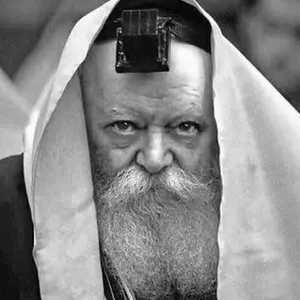
However, the opinion of our Rebbeim, our Nesi'im, is that one should not answer amen after "al yechasreinu", as the Rebbe10 wrote: 'R. Chaim Zalmanson would say "al yechasreinu" aloud, but the Rebbe, of blessed memory, would not answer amen except after "venomar amen". He would smile at "al yechasreinu".
And in a letter in Igros Kodesh11: 'Regarding what you wrote about whether one should answer amen in Birkas Hamazon after "al yechasreinu" — behold, I once asked my revered father-in-law, the Rebbe, and he answered that he does not answer; and moreover, one of those close to the Rebbe (Maharshab) would answer amen in his presence after "al yechasreinu" aloud, and the Rebbe smiled and said nothing. And perhaps they rely on the end of the bracha, "venomar amen". Although in this too I have not seen that the listeners are careful to answer amen then. And here is the place for me to remark in general, that it is astonishing that in several tefillos one concludes "venomar amen", and the listeners do not do so, and this requires examination'.
> And so in practice the Rebbe wrote in the Haggadah Shel Pesach with Likutei Ta'amim Uminhogim: 'One does not answer amen after "yechasreinu", but rather after the Harachaman, when one says "venomar amen"12.
--------------
Notes:
1 סי' לט ↩
2 או"ח סי' קפט ס"ק א ↩
3 סידור בית יעקב דיני ברכת המזון בברכת העובד ↩
4 או"ח שם משב"ז ס"ק א ↩
5 ח"א אות א ג, א ↩
6 בספר עליות אליהו ע' 50 מסופר על ר' ליב מטעלז: 'ופ"א בא לווילנא, ע"ד הכנסת כלה לנישואי בתו, וכבואו בא לפני הגאון נ"ע, ושמע כי בברהמ"ז ענה הגאון אמן על סיום הברכה לעולם אל יחסרנו, כי הוא סיום הברכה, וצוה החסיד מטעלז תיכף לאסור את העגלה שלו וישוב לביתו להזהיר לבני ביתו שיענו אמן על הברכה הנ"ל, וכבואו לביתו חרדו כל בני ביתו לקראתו כי מיהר לבוא וכאשר שאלו אותו אם הצליח ה' דרכו והביא הכל, אז ענה להם שיכינו השולחן לאכול מקודם, ואז יגיד להם אשר הקרה ה' לפניו ואשר הביא בידו לברכת הבית, והנה אחרי אכלם קודם ברהמ"ז, בישר להם ברוב עוז ושמחה כי הביא להם אמן בסיום אל יחסרנו אשר שמע מהגאון מוילנא, וע"כ לא יכול להתמהמה, לבל יפסידו בני ביתו האמנים עד בואו, וצרכי נשואי בתו אם יתאחר עוד לא יפסיד', (במוסר ודעת (וילנא תרכ"ח) דף ח, ב הובא ג"כ סיפור זה אך שם מסופר שהביקור הי' אצל החסיד המפורסם מהו' ישעיה זעכוויצער, ולא אצל הגר"א. [ראה כרם חב"ד ח"ד כרך ע' ע' 157 הערה 14. וראה סידור אדמו"ר הזקן (רסקין) ח"ב ע' תתפח הערה 140]. וראה ג"כ דעת תורה (מהרש"ם) או"ח שם ס"ק א ↩
7 כלל מז ס"א ↩
8 או"ח שם ס"ז ↩
9 שם ס"ק א ↩
10 רשימת היומן ע' שפו ↩
11 ח"ז ע' רכח (אגרת ב'פט) ↩
12 וראה לשון אדמו"ר הזקן שו"ע שם ס"ז: 'ויש מפקפקים במה שאומרים הרחמן בכמה גוונים שהוא הפסק בין ברכת המזון לשתיית הכוס *ויש מיישבין שכיון שנהגו בהם נעשו כאלו הם מטופס הברכה ואינם חשובים הפסק'*. ויתבאר בהלכה הבאה, וראה ג"כ מ"ש בסידור רסקין דלעיל הערה 6 ↩
[2] (halacha 1064)
In the previous halacha we saw that the fourth bracha concludes with the words "al yechasreinu" according to the Ashkenazic custom, and "verevach vehatzalah vechol tuv" according to the Sephardic custom.
Question:Why is the recitation of Harachaman not considered an interruption between the bracha and the bracha of Borei Pri Hagafen at the conclusion of Birkas Hamazon?
Answer: The Rishonim discussed the permissibility of saying Harachaman on Shabbos, even though it is a request for one's needs, and the Raavi Av Beis Din1 wrote: 'But one may say that just as it is permitted to say "re'einu parnesenu" because it is the standard form of brochos, that is to say, it is not part of the essence of the bracha and a bracha was not instituted upon it, but rather one [merely] prolongs [it] — so too here it is like prolonging the bracha of Hatov Vehameitiv ..'.
It is explained from his words that they consider the recitation of Harachaman that comes after the fourth bracha to be part of the bracha2.
However, the Tur3 wrote: 'My brother, the Rav R. Yechiel, of blessed memory, wrote: they were accustomed to prolong the bracha of Hatov Vehameitiv [with] Harachaman in several variations, and I do not know whence this came, to multiply requests between Birkas Hamazon and the bracha of Borei Pri Hagafen4, and it is possible that they were accustomed to do so based on that which they said5 [that] a guest recites "Yehi ratzon milefanecha" etc.', end of quote. And it appears to me that there is no [issue of] interruption in this6, and we find something greater than this in the bracha of milah, where they pray for the child in the middle of the bracha after he has recited Borei Pri Hagafen and interrupts between the bracha and the drinking'7.
And in a similar vein wrote the Abudraham8: 'And each one says Harachaman as he wishes and according to the wish of his request, and it is not considered an interruption between Birkas Hamazon and Borei Pri Hagafen, for they instituted for the guest to bless the host. We find something greater than this in the bracha of milah, where one says "Elokeinu v'Elokei Avoseinu" etc. after he has recited Borei Pri Hagafen and interrupts between the bracha and the drinking'.
And the Bach9 wrote: 'And one may bring a further proof that there is no [issue of] interruption in this from the practice of the world, that on the night of Pesach, when one finishes the Hallel over the fourth cup and says Hallel Hagadol and Nishmas, they say many piyutim and at the end one recites Borei Pri Hagafen, as is written in the siddurim, and we do not consider it an interruption that one says piyutim between Hallel Hagadol and Nishmas and the bracha of Borei Pri Hagafen, although the Maharshal10 cast doubt upon it and protested against saying the piyutim until after the bracha of Borei Pri Hagafen over the fourth cup'.
And the Levush11 wrote: 'They were accustomed to prolong this bracha [with] "Harachaman hu" in several variations, and there is no [issue of] interruption in this between Birkas Hamazon and the bracha and drinking of the cup, since this is how they were accustomed and they belong to the brochos of thanksgiving that we mentioned. And it appears to me that the reason is that we do not consider them an interruption, like the reason that one says several supplications at the end of Shemoneh Esrei before one steps backward, see there above siman 122'.
The Maharikash in Erech Lechem wrote like the words of the Tur: 'And one may say afterward several requests, Harachaman etc., and it is not considered an interruption'.
The Alter Rebbe12 brought the words of Rabbeinu Yechiel and his brother the Tur: 'And some cast doubt upon that which one says Harachaman in several variations, that it is an interruption between Birkas Hamazon and the drinking of the cup; and some resolve [this] that since they were accustomed to them, they became as if they are part of the standard form of the bracha and are not considered an interruption'.
And in the siddur he wrote the text of Harachaman before the drinking of the cup.
[Regarding the piyutim on the night of the Seder, the Alter Rebbe wrote in the Shulchan Aruch13: 'Some say that one must drink the cup immediately after the conclusion of Yishtabach or Yehallelucha that follows Yishtabach, before the recitation of the piyutim that they are accustomed to say, for the enactment of the Sages was to complete the Hallel and the Birkas Hashir over the fourth cup, and if so, one should not interrupt between them with piyutim that are not part of the enactment at all; but they do not practice thus in these lands'.
But in practice in the Haggadah Shel Pesach he wrote: 'Those who are accustomed to say piyutim should not interrupt with them between this bracha [Yishtabach] and the bracha of the cup, but rather immediately afterward one should recite over the fourth cup: "Baruch" etc. "Borei Pri Hagafen"'.
And the Rebbe explained in the Haggadah: 'Those who are accustomed to say piyutim should not interrupt with them between etc., since they are only a minhag (Rashal, Bach and Taz siman 480. Siddur HaArizal, Yaavetz), and the enactment of the Sages was to complete the Hallel and the Birkas Hashir over the fourth cup (Shulchan Aruch of our Rebbe siman 480:3)'.
From the words of the Alter Rebbe it is explained that there is a difference between Harachaman, which is not considered an interruption, and the piyutim, with which one should not interrupt before the bracha of the cup, and not like the words of the Bach brought above, who equated them].
> If so, we have seen that they were accustomed to add Harachaman within the bracha of Hatov Vehameitiv, and the Rishonim explained that this addition of Harachaman became part of the body of the bracha, and therefore it does not constitute an interruption to the bracha of Borei Pri Hagafen over the cup at the conclusion of Birkas Hamazon.
--------------
Notes:
1 סי' קא ↩
2 וראה ג"כ בשבלי הלקט ענין שבת סי' צד שכתב: 'ירושלמי תני אסור לתבוע צרכיו בשבת. ר' זעירא שאל את ר' חייא בר אבא מהו מימר רוענו פרנסנו בשבת. אמר ליה טופס ברכות כך היא. יש מוכיחין מכאן שאין למעט בהרחמן שהרי טופס ברכות הוא'. אך הב"י או"ח סי' קפח כתב: 'ולמוכיחים מכאן דאין למעט בהרחמן לא ינעם לי דהרחמן תוספת שנהגו להוסיף מעצמם הוא ולא מיקרי טופס ברכות'. וראה מה שהביא הרמ"א בדרכי משה שם אות ד מאור זרוע. ומ"ש אדמו"ר הזקן סי' קפח ס"ד. ואכ"מ ↩
3 או"ח סי' קפט ↩
4 כלבו סי' כה: 'ומברך הג' ברכות וברכת הטוב והמטיב, *והרחמן, ואח"כ מברך על הכוס'* ↩
5 ברכות מו, א ↩
6 וראה תורת חיים (סופר) או"ח סי' קצ ס"ק א ↩
7 וביאר המאמר מרדכי סי' קפט ס"ק ג: 'וכתב הטור ז"ל שתמה אחיו הר"י ז"ל מאין בא זה להרבות בבקשה בין בהמ"ז לברכת בפה"ג וכו' ונראה ברור דהוקשה לו ז"ל דמאחר דבהמ"ז נאמרה על הכוס א"כ יחוייב מזה שתכף ומיד אחר סיום עיקר הברכות של בהמ"ז יברך בפה"ג כדי שיראה שמברך בהמ"ז על הכוס ולמה לו להפסיק ביניהם דנהי דאין כאן איסור בדיעבד מאחר שאינו מפסיק בין עיקר ברכת היין לטעימתו מ"מ אינו ראוי להפסיק בין בהמ"ז לברכת בפה"ג בכדי. ולזה כתב עליו הטור ז"ל דנראה דאין בזה משום הפסק. וגדולה מצאנו בברכת המילה שמתפללין על הילד וכו' אחר שבירך בפה"ג ומפסיק בין ברכה לשתיה ע"כ. וביאור דבריו דהתם פשיטא דמן הראוי היה לשתות תכף אחר שבירך על הכוס דהא אסור להפסיק בין הברכה לדבר שמברך עליו ואפילו בדיעבד צריך לחזור ולברך ואפ"ה מצאנו שמפסיק שם כדי לבקש רחמי על הילד ק"ו בן בנו של ק"ו בנידון זה דנהי דמברכים בהמ"ז על הכוס מ"מ אינה ברכה המיוחדת לכוס אלא שלחבוב מצות בהמ"ז צריך להביא כוס וא"כ פשיטא דאין להקפיד אם מפסיק בבקשת רחמים בינה לברכת בפה"ג ועיין ביו"ד סי' רס"ה' ↩
8 הל' ברכות שער ראשון ↩
9 או"ח סי' קפט ד ↩
10 שו"ת סוס"י פח ↩
11 או"ח שם ס"ב ↩
12 סי' קפט ס"ז ↩
13 סי' ת"פ ס"ג ↩
From the 'Shoneh Halacha' project - daily halacha with reasons and sources
Link to the (silent) group: 'Shoneh Halacha - Chabad Minhogim'
Join the WhatsApp Group