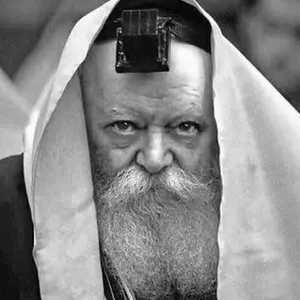

Studying Torah at night
[2] (halacha 633)
We learned that the plain meaning of the pasuk "and you shall meditate therein day and night" is that there is an obligation to learn Torah during all the hours of the day and night, but even a person who does not have the ability to learn all the time must set aside at least a certain time for learning during the day, and a time for learning at night. And in a great time of pressing need one may also rely on the recitation of Krias Shema as the night's learning. And the Amoraim disagreed as to whether it is fitting to reveal this to the unlearned person or not.
Question: What was ruled as halacha?
Answer: The Mechaber wrote1: "Every Jewish man is obligated in Torah study, whether poor or wealthy, whether sound in his body or afflicted with suffering, whether young or a great elder. Even a poor person who goes around begging at the doors, even one with a wife and children, is obligated to set for himself a time for Torah study by day and by night, as it says: and you shall meditate therein day and night."
And the Rema wrote in a gloss: "And in a time of pressing need, even if he read only Krias Shema in the morning and the evening, we apply to him 'they shall not depart from your mouth'".
And the Shach wrote2: "'And in a time of pressing need etc.' And so it is in the Sma"g positive commandments 12, and he concludes there: and it is forbidden to say this matter before an unlearned person; however, in the Hagahos Maimoniyos he does not bring this conclusion, and the Rav followed after him. And it appears that the reason is that we read in Menachos (99b): Rabbi Yochanan said in the name of Rabbi Shimon ben Yehotzadak: even if a person read only Krias Shema in the morning and the evening, he has fulfilled 'they shall not depart,' and it is forbidden to say this matter before an unlearned person; and Rava said it is a mitzvah to say it before an unlearned person. And Rashi explained that he holds: on account of Krias Shema he receives such a great reward — all the more so if he were engaged all day that his reward would be great — and it accustoms his sons to Torah study. Another version: those Rabbis hold one may exempt himself with Krias Shema and sit all day and learn; learn from this that there is a great reward, end quote. If so, since Rava said it is a mitzvah to say it, we adopt his view, and all the more so according to the version of the Yalkut at the beginning of Yehoshua, where we read that Abaye cursed the one who says it before an unlearned person, and Rava said it is a mitzvah etc.; if so, we adopt Rava's view over Abaye's. Also in the Midrash Tehillim it is stated anonymously in the name of Riba"l: even if he read only Krias Shema in the morning and the evening, he has fulfilled 'and in his Torah he shall meditate day and night,' and the Yalkut brings it at the beginning of Tehillim, see there."
And so writes the Alter Rebbe3: "Every Jewish man is obligated in Torah study, whether poor or wealthy, whether sound in his body or afflicted with suffering, and even a poor person who goes around begging at the doors, and even one with a wife and children is obligated to set for himself a time for Torah study by day and by night, as it says: and you shall meditate therein day and night. And so he wrote in Hilchos Talmud Torah4: "He is obligated by the Torah to set for himself a great time for Torah study every day, such as at least half the day, apart from the night's learning."
And there, further on5, he wrote: "By the strict law he fulfills his obligation by setting fixed times for Torah study, to fulfill what is written 'and you shall meditate therein day and night' through fixed times by day and by night .. And if it sometimes happens that there is a great burden of business dealings so that he cannot learn the entire time set for him by day and likewise at night, he can fulfill his obligation of the mitzvah of 'and you shall meditate therein day and night' even with a small amount of learning, such as one chapter by day and one chapter by night, and in a time of pressing need where the burden is excessively great and he does not have free time even for one chapter, he can fulfill his obligation with Krias Shema in the morning and the evening, to fulfill the mitzvah of 'and you shall meditate therein day and night' on that day which is a time of pressing need and there is no other way".
And there, further in the chapter6: "The mitzvah of 'and you shall meditate therein day and night,' part of whose generality was permitted by what is stated 'and you shall gather in your grain etc.' — the Torah said: conduct yourself with them in the manner of the way of the world — and he can fulfill his obligation with fixed times by day and by night, and even with one chapter in the morning and one chapter in the evening in a time of pressing need when he has no free time on account of the burden of his livelihood, which is the life of the body, and all the more so and a fortiori when he is engaged in the life of the soul to cleave to the living G-d; and concerning this the Sages said that Torah study is among the things that have no fixed measure."
[And the reason in the inner dimension for the fact that in Torah study there are gradations in the level of obligation, unlike mitzvos in which all are equal in the obligation to fulfill each mitzvah, see in the note the explanation of the Rebbe Rashab7].
If so, we have seen that as halacha it was ruled that there is an obligation to learn Torah at night, and at least to set a certain time for Torah study at night, and in a great time of pressing need one fulfills one's obligation with Krias Shema in the morning and the evening, and it is permitted to say this halacha even to the unlearned.
-----
Notes:
1 שו"ע יו"ד סי' רמו ס"א ↩
2 סק"א ↩
3 שו"ע או"ח סי' קנה ס"א ↩
4 פ"ג ס"ב ↩
5 הל' ת"ת שם ס"ד ↩
6 ס"ו ↩
7 המשך תרע"ב אות ד: 'וכן יש הפרש בהחיוב דעסק התורה לחיוב דקיום המצות, דבחיוב דעסק התורה יש בזה מדרי' דהרי החיוב הוא והגית בו יומם ולילה שיהי' עסק התורה תמיד, אך זהו ליושבי אהל, אבל בעלי עסקים החיוב שלהם הוא פ"א שחרית ופ"א ערבית, ומשארז"ל שיהא תורתך קבע ומלאכתך עראי היינו שיהי' בבחי' קביעות בנפש, דתכלית כוונתו יהי' עסק התורה וגם בעסקו במו"מ יהי' כוונתו בכדי שישתכר ויוכל לעסוק בתורה ולהדריך בניו בת"ת ולקיים מצות כו', וזהו בעסק התורה. אבל בקיום המצות הרי כל ישראל שוין שכולם מחוייבים בקיום המצות, משא"כ בתורה שאין כולם שוין כמו בעלי עסקים כו' כנ"ל. וגם בזה יש חילוקי מדרי' דגם בעלי עסקים השייכים לתורה צ"ל תורתן קבע בקביעות בזמן, ומי שאינו שייך בעצם לעסק התורה דמ"מ גם הוא מחויב בעסק התורה משום דמצוה דעסק התורה הכל מחוייבים בה כו', רק שיוצאים י"ח בפ"א שחרית כו', ובהם הפי' תורתך קבע בבחי' קביעות בנפש כו', וכמ"ש בהל' ת"ת פ"ג, הרי שאינו דומה החיוב בעסק התורה להחיוב בקיום המצות, *וכ"ז הוא בתורה ומצות שהתורה היא מבחי' חכמה שיש בזה מדרי' חילוקים, והמצות הן רצון העליון שאין בזה התחלקות מדרי' כו''* ↩
[3] (halacha 634)
Question: What is the importance of learning Torah at night?
Answer: The Gemara in Maseches Tamid1 says: "Rabbi Chiya taught: whoever engages in Torah at night, the Shechinah is opposite him, as it says 'Arise, sing at night, at the beginning of the watches pour out your heart like water before the face of Hashem'."
And in the Midrash in Vayikra Rabbah2: Rabbi Yochanan says there is no song of Torah except at night, as it says "Arise, sing at night".
And in Maseches Chagigah3 it is stated: "Reish Lakish said: whoever engages in Torah at night, the Holy One, blessed be He, draws upon him a thread of kindness by day, as it says 'By day Hashem commands His kindness'; and what is the reason 'by day Hashem commands His kindness'? Because of 'and at night His song is with me'."
And in Maseches Sanhedrin4: "And Rabbi Elazar said: any house5 in which words of Torah are not heard at night6, fire consumes it, as it says 'all darkness is hidden away for his treasures, a fire not blown shall consume him, it shall go ill with the survivor in his tent.' There is no survivor except a Torah scholar, as it says 'and among the survivors whom Hashem calls'."
And these are the words of the Rambam7: "Even though it is a mitzvah to learn by day and by night, a person learns most of his wisdom only at night, therefore one who wishes to merit the crown of Torah8 should be careful with all his nights and not waste even one of them in sleep, eating, drinking, and conversation and the like, but rather in Torah study and words of wisdom; the Sages said there is no song of Torah except at night, as it says 'Arise, sing at night,' and whoever engages in Torah at night, a thread of kindness is drawn upon him by day, as it says 'יומם יצוה ה' חסדו ובלילה שירה עמי תפלה לאל חיי' ("By day Hashem commands His kindness and at night His song is with me, a prayer to the G-d of my life"), and any house in which words of Torah are not heard at night, fire consumes it, as it says 'all darkness is hidden away for his treasures, a fire not blown shall consume him,' for he has despised the word of Hashem — this is one who did not pay attention to words of Torah at all .."
And based on this the Tur wrote9: "And regarding learning at night more and more than that of the day, my son, be careful, as Chazal said: there is no song of Torah except at night, as it says 'Arise, sing at night.' We read in Eruvin in the chapter HaDar: Reish Lakish said: night was created only for study; and we read in the chapter Osin Pasin: Rabbi Yirmiyah ben Elazar said: any house in which words of Torah are heard at night is not destroyed; therefore, since the hours of the night are pleasant and desirable for learning, one who wastes them — his punishment is great."
And as halacha the Mechaber wrote10: "One must be careful with learning at night more than that of the day, and one who wastes it — his punishment is great."
And he further wrote11: "One who wishes to merit the crown of Torah should be careful with all his nights and not waste even one of them in sleep, in eating and drinking and conversation and the like, but rather in words of wisdom and Torah study."
And the Rema wrote in a gloss: "For a person does not learn most of his wisdom except at night."
And these are the words of the Alter Rebbe12: "Even though it is a mitzvah to learn by day and by night, a person does not learn most of his wisdom except at night, therefore one who wishes to merit the crown of Torah should be careful with all his nights and not waste even one of them in sleep and eating and drinking and conversation and the like, but rather in Torah study, and even on the night[s] of the Tammuz season one should learn a little .. so the Sages said there is no song of Torah except at night, as it says 'Arise, sing at night,' and whoever engages in Torah at night, a thread of kindness is drawn upon him by day, and any house in which words of Torah are not heard at night, fire consumes it."
And he further wrote13: "And they also said: whoever engages in Torah at night, the Shechinah is opposite him, as it says 'Arise, sing at night, at the beginning of the watches pour out your heart like water before the face of Hashem,' meaning the Shechinah dwells with you .. and whoever engages in Torah at night, a thread of kindness is drawn upon him by day, as it says 'by day Hashem commands His kindness and at night His song is with me,' and this one is called a servant of Hashem, as it is written 'all you servants of Hashem who stand in the house of Hashem in the nights'."
--------------
Notes:
1 לב, ב ↩
2 פי"ט סי' א ↩
3 יב, ב וע"ז ג, ב. וראה תקו"ז ב, א. וזו"ח בראשית ל, ב ↩
4 צב, א ↩
5 כתב המהרש"א בח"א: 'איירי בבעה"ב שאינו ת"ח ואם אין דברי תורה נשמעים בביתו בלילה דאפשר ביום מתוך עסקיו של בעה"ב א"א ללמוד בביתו אבל בלילה שבעה"ב פנוי מעסקיו ואין דברי תורה נשמעים בו' ↩
6 כתב הבאר שבע בסנהדרין שם: 'להכי נקט בלילה, לפי שהקול נשמע למרחוק. וכה"ג פירש רש"י בפרק עושין פסין (עירובין יח, ב ד"ה ולא אמר) גבי כל בית שנשמעין בו דברי תורה בלילה אינו נחרב כו'. ובזה נתיישב הא דנקט נשמעין ולא נקט לומדין או עוסקין וכיו"ב (וראה גם במהרש"א שם). ויותר נכון בעיני לפרש, דלהכי נקט נשמעין בלילה לפי שאמרו אין רינה של תורה אלא בלילה שנאמר קומי רוני בלילה, ובפרק הדר אמר ר"ל לא איברי ליליא אלא לגירסא'. ובתורת חיים סנהדרין שם כתב: 'נקט לילה דוקא דבלילה אש של גיהנם שולטת בעולם לפי שחשיכת לילה מיסוד האש הוא בא דיסוד האש חשך הוא .. ויסוד האש היא הגיהנם כמ"ש הראב"ד ז"ל בהקדמתו לספר יצירה שנשמותיהן של רשעים לאחר מיתתן נדבקות באש היסודי דלהכי כתיב ואת נפש אויבך יקלענה בתוך כף הקלע לפי שהאש היסודי הולך וסובב תמיד עם הגלגל כדמות כף הקלע ע"כ ונראה לכך נקרא אש לא נופח דכיון שהולך וסובב תמיד מתלהט האש מעצמו ואין צריך ניפוח וכיון דבלילה חשכת אשו של גיהנם גוברת על העולם צריך אדם לעסוק בתורה בלילה דאור התורה מבטל חשכת אש של גיהנם כדאמרינן ת"ח אין אש של גיהנם שולטת בהן ואם אינו עוסק הרי אשו של גיהנם אוכלתו ונראה דלהכי נקט הכתוב כל חשך טמון ולא קאמר כל לילה טמון אלא רמז לחשכת לילה הבא מיסוד האש כדפי'' (וראה גם במהרש"א שם) ↩
7 הל' ת"ת פ"ג הי"ג ↩
8 וראה לקו"ש חל"ד ע' 43 ואילך ↩
9 או"ח סי' רלח ↩
10 שו"ע או"ח סי' רלח ס"א ↩
11 שו"ע יו"ד סי' רמו סכ"ג ↩
12 הל' ת"ת פ"ד ה"ח ↩
13 שו"ע או"ח מהדו"ב סי' א ס"ג ↩
[4] (halacha 635)
Question: We learned that there is great importance to learning Torah at night, but on the other hand, for the sake of bodily health one also needs to sleep, so how many hours of sleep are desirable?
Answer: It is stated in Pirkei DeRabbi Eliezer1: "What did the Holy One, blessed be He, do? He created the sleep of life, and a person lies down and sleeps, and it is his sustenance and his healing and life for him and rest for him, as it says2 'I would have slept, then it would be restful for me'."
And in the Gemara in Maseches Gittin3 it is stated: "Eight, most of them are harmful and a small amount of them is beneficial, and these are them .. and sleep ..". And Rashi explained: "'and a small amount of them is beneficial' — when a person has a little of them it is beneficial for his body as a remedy, and it is better that he have a bit than that he have none at all; but 'most of them are harmful' — when he has a lot."
And in the Midrash4: "Rabbi Shimon ben Elazar said: 'הנה טוב מאד' ("and behold, it was very good") — and is sleep good? Can sleep be very good? I wonder! Have we not learned: wine and sleep for the wicked are pleasant for them and pleasant for the world? Rather, because a person sleeps a little, he then arises and toils in Torah a great deal'.
And the Rambam wrote5: "The day and the night are 24 hours; it is sufficient for a person to sleep a third of them, which is eight hours, and let them be at the end of the night, so that from the beginning of his sleep until the sun rises is eight hours, and thus he is found rising from his bed before the sun rises"6.
And the Shelah wrote7: "And the expounders of hidden allusions gave a sign: three 'az' are written, 'then (az) you shall be wise' (Yehoshua 1:8), 'then (az) you shall succeed' (ibid.), 'then (az) you shall sleep,' to divide the day, which is 24 hours, into three parts: eight hours shall be holy to Hashem, Torah and tefillah, and your sign is 'then you shall be wise,' 'az' equals 8 in gematria, that is, eight hours he shall be wise, which is the engagement in Torah. And eight hours he shall engage in business dealings, and its sign is 'then you shall succeed.' And eight hours he shall sleep, and your sign is 'then you shall sleep.'"
And some have written that six hours is sufficient, as the Yaavetz wrote in his Siddur8: "The duration of sleep for an average person, they said, is eight hours .. indeed, it is sufficient for a healthy person to sleep six hours, and it is enough without doubt, and it all depends on what a person accustoms himself to in his youth, for habit is a second nature"9.
And the Ben Ish Chai wrote10: "For all the eminent physicians have agreed that a person should not sleep at night less than six hours nor more than eight hours, for excessive sleep will harm him .. therefore a Jewish man, who is also obligated to make an effort regarding the health of his holy soul, should not sleep more than six hours, since he fulfills his obligation regarding the health of his body with that, and the remaining hours of the night he should engage in the health of his soul through the engagement in Torah. However, if it happens on some night that he reduces below this measure of six which is the health of his body and adds to the hours of the health of his soul, he is assured that no harm or deficiency will come to him from the side of the health of his body; and therefore on Friday night and the night of Erev Rosh Chodesh, and likewise the nights of the month of Elul and the Aseres Yemei Teshuvah and the like, if a person reduces below the measure of six in sleep, his heart may be confident and assured that he will lack nothing in this regarding the health of his body."
And some have written that four hours is sufficient, as the Eshel Avraham (Butshatsh) wrote11: "I heard .. in the name of the Gaon, Av Beis Din of the holy community of Sh"Sh N"Sh, may his Rock protect him, our teacher Shmuel Shmelka, peace be upon him, famed for his good name, that the allusion 'I would have slept, then it would be restful for me' .. that is, eight hours within two day-night cycles. Thus one may explain the allusion according to the measure of piety, and an allusion to this is 'it would be restful for me (li),' for after sleeping eight hours there remain forty hours of the two day-night cycles for the service of Hashem, as the number of li .."
And some have distinguished between the days of youth and old age, as the Tiferes Yisrael wrote12: "And they said in the name of the Rambam that he would sleep eight hours every night .. but this is only before he reached 50 years, but afterward, when the wear in the elements of the body is not as great as in the days of his youth, and he does not afterward need so much rest, the natural scientists, and in particular Hufeland, wrote that it is sufficient for him to sleep five or six hours every night."
But the Magen Avraham wrote13, brought in the Mishnah Berurah14: "And some say that the time for sleep is eight hours .. and it appears to me that it all depends on the nature of the person, as is written in siman 231, see there." And likewise wrote the Aruch HaShulchan15: "And the truth is that it all depends on his weakness and his strength and on the number of his days, and it is all for the sake of Heaven."
And these are the words of the Rebbe16: "And behold, the touchstone in the above matter should be along the lines of what is explained in Hilchos Talmud Torah of the Alter Rebbe regarding a teacher, that he should not be awake at night in a manner that he will not be able to teach well the following morning .. that it is understood that the same applies regarding learning Torah for oneself, and since the number of hours for sleep are not equal in every person, and depend on the constitution of the body and on habit etc.; and the measures brought in the poskim are along the lines of the average and the majority, for the Torah speaks regarding the majority. One must examine for oneself the number of hours one requires for sleep, so that upon rising one will be able to learn with the requisite understanding, and based on this one should also set the time of lying down and rising, and it is understood that in any case the time of Krias Shema in the morning must be safeguarded, and this is mainly relevant in the summer days."
And in an additional letter17 (in free translation): "That because of various matters, it comes out that he sleeps only 4-5 hours, apart from the exceptional case — this is, from the side of matters of bodily health, little, and a Jew needs a healthy body to serve Hashem without confusions and with peace of mind, and in the language of our holy Rebbe in the Tanya at the beginning of chapter 7, in order to serve Hashem with his body, therefore one should set the arrangements so that the body will be at ease18 ..".
--------------
Notes:
1 פי"ב ↩
2 איוב ג, יג ↩
3 ע, א ↩
4 ב"ר פ"ט סי' ו ↩
5 הל' דעות פ"ד ה"ד ↩
6 וראה צדקת הצדיק אות כד ↩
7 מסכת חולין פרק נר מצוה וראה ג"כ עוללות אפרים ח"ב ע' ו מאמר נט ↩
8 סדר ק"ש שעהמ"ט ↩
9 ולהעיר מלשמע אוזן מדור אדמו"ר הריי"צ אות יא שהרבי הריי"ץ התבטא: 'היתכן שהולכים לישון לפני 12:00 וקמים אחרי שש' ↩
10 ש"א וישלח ס"א ↩
11 או"ח סי' א וכ"כ מהר"ם שיק שו"ת או"ח סי' א ↩
12 אבות פ"ו מ"ה יכין אות פג ↩
13 סי' רלח בהקדמה ↩
14 סי' רלח ס"ק ב ↩
15 או"ח סי' רלח ס"ב ↩
16 אג"ק חי"ט ע' פט ↩
17 אג"ק ח"י ע' תח ↩
18 ולהעיר גם מדברי הט"ז אהע"ז סי' כה ס"ק א: 'ודברים אלו אסמכתא אקרא שוא לכם משכימי קום וכו' דהיינו שיש ת"ח מנדדין שינה מעיניהם ועוסקים בתורה הרבה ויש ת"ח שישינים הרבה כדי שיהיה להם כח החזק וזריזות לב לעסוק בתורה ובאמת יכול ללמוד בשעה אחת מה שזה מצטער ועוסק בשני שעות ובודאי שניהם יש להם שכר בשוה ע"כ אמר שוא לכם דהיינו בחנם לכם שאתם מצטערים ומשכימים בבוקר ומאחרי שבת בלילה וממעטים שנתם זה בחנם כי כן יתן ה' לידידו שינה דהיינו מי שישן הרבה כדי שיחזק מוחו בתורה נותן לו הקב"ה חלקו בתורה כמו אותו שממעט בשינה ומצטער עצמו כי הכל הולך אחר המחשבה' ↩
From the 'Shoneh Halacha' project - Daily halacha with reasons and sources
Link to the (silent) group: 'Shoneh Halacha - Chabad Customs'
Join the WhatsApp Group